kottke.org posts about Japan
I know I probably say this every time I post videos like this, but I wish I’d gotten into art & art history earlier than I did. Channels like Behind the Masterpiece are so good at making this stuff come alive and their Brief History of Japanese Art scratches my recent interest in Japan itch quite nicely. I was lucky to see some of the pieces from the video on my Japan trip last fall, including the Big Buddha in Kamakura, hand scrolls, sumi-e, and so many woodblock prints. (via open culture)
During an exhibition, Japanese volleyball player Yuji Nishida hit a courtside judge in the back with an errant serve. He immediately sprinted across the court and dove prostrate in apology. The gesture was a sort of sliding dogeza:
Even in a country where a sincere apology can go a long way, Nishida’s mea culpa was an extreme example. The most extravagant form in Japanese culture is the dogeza, which can also be used to express deep respect.
When used as an apology, the person in the wrong prostrates themselves and bows so that their forehead touches the floor between their hands. While the dogeza is rarely seen in public, scandal-hit politicians have used equally theatrical gestures to communicate their remorse.
Nishida followed up his slide with several more bows.
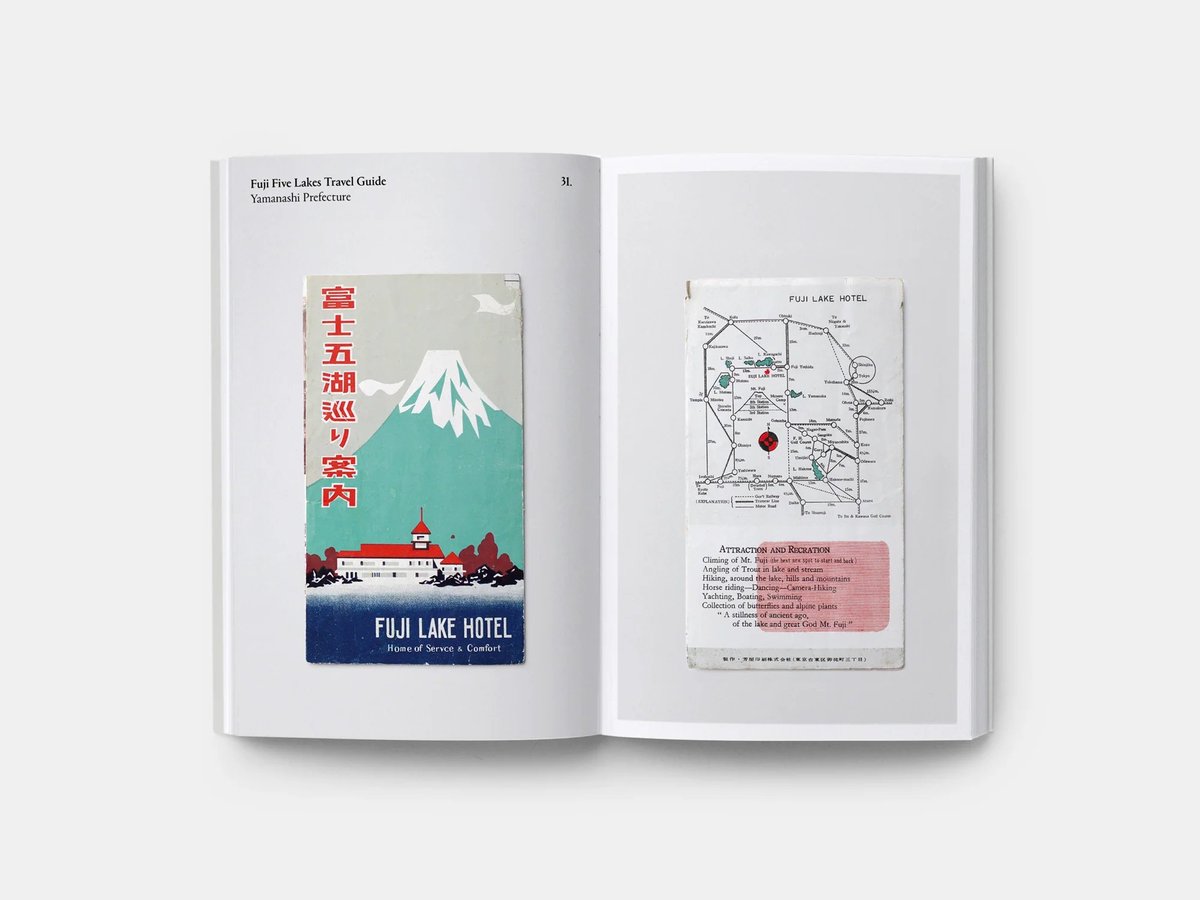
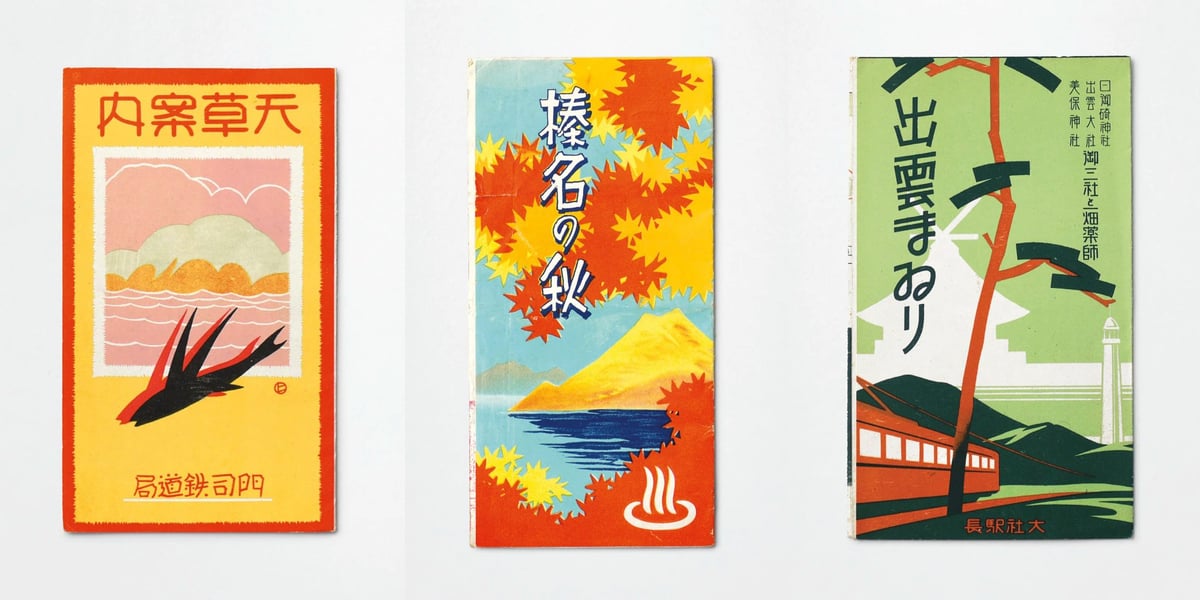
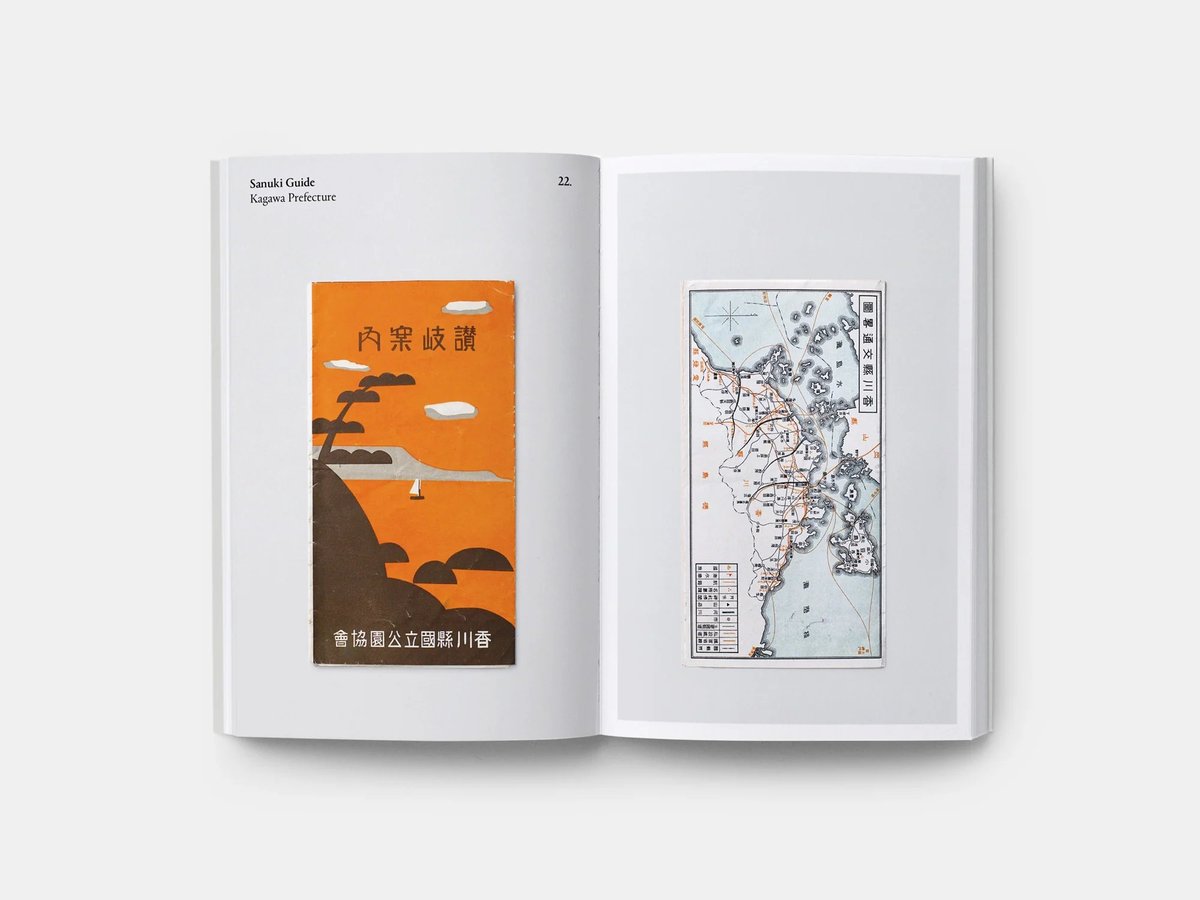
The gang at Present & Correct found a cache of pre-war tourist maps of Japan while rummaging around in Tokyo’s Jinbōchō used book district. They photographed them for a new self-published book called Paper Trails.
Until the late 19th century, Japan’s relations with Europe were relatively limited. So when a pair of letters written by a Japanese man in the early 1600s were discovered in Venice, a mystery was born. Who was this man, why was he in Italy, and why was there little previous evidence that he’d been there? In part one of a new series, Evan Puschak sets the geopolitical stage and introduces us to the samurai who travelled to Rome to treat with the Pope.
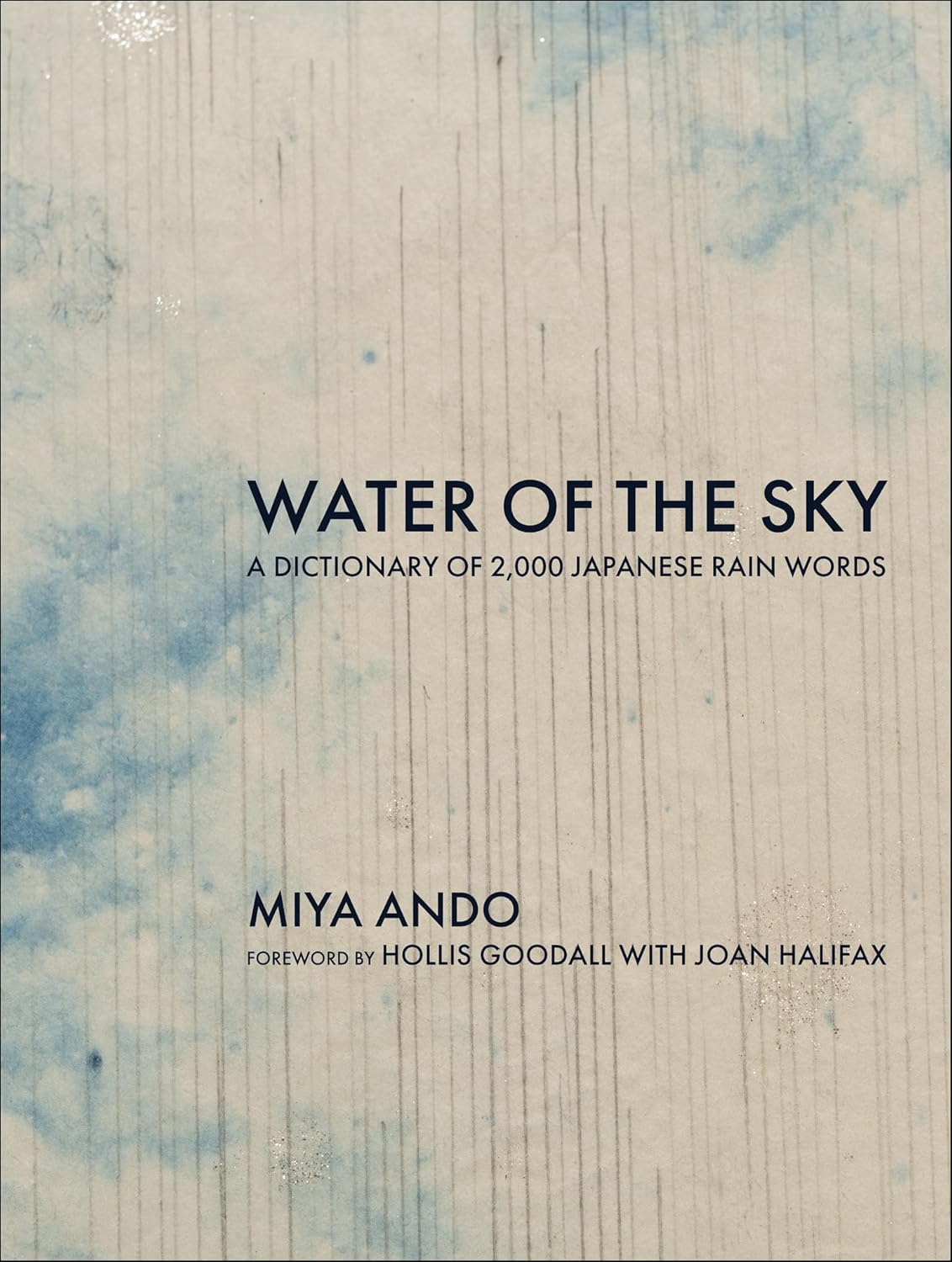
From artist Miya Ando, Water of the Sky, A Dictionary of 2,000 Japanese Rain Words.
Through a collection of 2,000 Japanese words, their English interpretations, and 100 drawings, Ando describes the breadth and diversity of rain’s many expressions: when it falls, how it falls, and how its observer might be transformed physically or emotionally by its presence.
I paged through this at a bookstore recently; it is delightful. From an excerpt of the book, here are a few of Ando’s rain words & phrases:
Tokidoki Niwaka Ame: Sometimes light snow and rain showers
Ama ga Nukeru: The skies open up, it rains like cats and dogs
Shinotsukuame: Intense rain that falls heavily, is very fine and strong like the Bamboo Grove at Shinotake
Giu: False rain
Amadoi: Sliding red beans to resemble the sound of rain
Kōu: Rain that comes exactly when you were waiting for it
Water of the Sky is available at Bookshop, Amazon, and wherever books are sold.
Konnichiwa! I’m back from Japan and finally getting over my jetlag, which took much longer than I expected. Here’s a list of all the things I’ve been reading, watching, listening to, and experiencing over the past few months.1 Let us know what movies, books, art, TV, music, etc. you’ve been enjoying in the comments below!
Deacon King Kong by James McBride. This was my first time reading anything by McBride and maybe I have a new favorite author? I love everything about this story and the way he tells it. (A+)
The Da Vinci Code. One of my go-to comfort movies. “Scientific” art history detective story? Yes, please. (A)
One Battle After Another. Great. Especially Sean Penn. And it reminded me of a Wes Anderson movie for some reason? Like one that he would have made had he followed the Bottle Rocket path instead of the Rushmore Path. (A+)
Meredith Dairy Marinated Sheep & Goat Cheese. All cheese is delicious, but this one particularly so. (A)
Fantastic Four. It was ok? Aside from a few things, I’m having trouble getting excited about post-Infinity Saga Marvel. There was just a special alchemy about that whole arc that is proving impossible to reproduce. (B)
The Age of Innocence by Edith Wharton. Fantastic right from the first page. Sharp writing about social mores, reminded me of Middlemarch & Price and Prejudice in that respect. One of my all-time favorites, I think. (A+)
The Gilded Age (season three). Still enjoying the hell out of this show. Total suspension of disbelief is a must. (A-)
Mission: Impossible. I haven’t seen this in maybe 20 years and I guess it holds up? Not my favorite of the series though. (B+)
Tinker, Tailor, Soldier, Spy. Great spy thriller. Gary Oldman is fantastic in this. Cold War? Spies? Britain? I will pretty much watch as many of this type of movie as you can make. (A)
Leaving America. This is a 12-part podcast on the logistics, benefits, and challenges of leaving the United States. Oh, no reason. (B+)
The Fellowship of the Ring (and TT & ROTK) by J.R.R. Tolkien. It’s been a while since I’ve read The Lord of the Rings books and wow, are they long. There’s entirely too much “and they travelled from here to there” logistics that drag on over several pages and descriptions of hilltops & ancient landmarks that you only hear about once. But Andy Serkis narrating the audiobook? So good. (A-)
The Lord of the Rings trilogy. After each audiobook, I watched the extended version of the corresponding film. My general feeling after 65+ hours of audiobook and 12+ hours of movie is that the books are too long and the movies too short. An 18-hour mini-series — perhaps three seasons of six episodes each? — seems like the sweet spot. (A)
Star Trek: Strange New Worlds (season three). Maybe didn’t enjoy this quite as much as the previous two season, but I love spending time with these people and look forward to doing more of that when season four drops. (B+)
Jaws. Got to see this in the theater when they released it for the 50th anniversary. Spielberg had such a strong style right from the jump. (A-)
Paradise. Just fine. But I feel like there are better apocalyptic shows out there. (B)
Downton Abbey: The Grand Finale. It was so nice to head to the theater to nestle myself into the low-stakes world of Downton Abbey for 2 hours. (B+)
Daft Punk Fortnite. Love anything with Daft Punk. (A)
The Heaven & Earth Grocery Store by James McBride. Right after finishing Deacon King Kong, I did something I almost never do: started in on a different book from the same author. Loved this one too. (A+)
Tron: Ares. It was a loud NIN music video on a huge screen, what’s not to like? Jared Leto was fine, but there were probably better casting options here that the audience would have been more excited about. And the direction could have been stronger…Gillian Anderson and Greta Lee were both surprisingly meh. (B+)
Tron: Ares soundtrack. Better than the movie. (A-)
Total Recall. First time! Maybe a little too Verhoeven/B-movie for me. (C+)
Cars. I’ve seen this movie several times and what I noticed this time around is how incredibly expressive the cars are. You can just tell they worked very hard on that aspect of the animation. (A-)
Shopkeeping by Peter Miller. This was recommended from a couple of different vectors — pretty sure one was Robin Sloan. Lots of resonance to my work here and how I think about it (and want to think about it). (A-)
Japan. Absolutely loved it. (A+)
Iyoshi Cola. Craft colas are often disappointing, but this one was absolutely delicious. Wish I could get it in the States for less than $14 a can. (A)
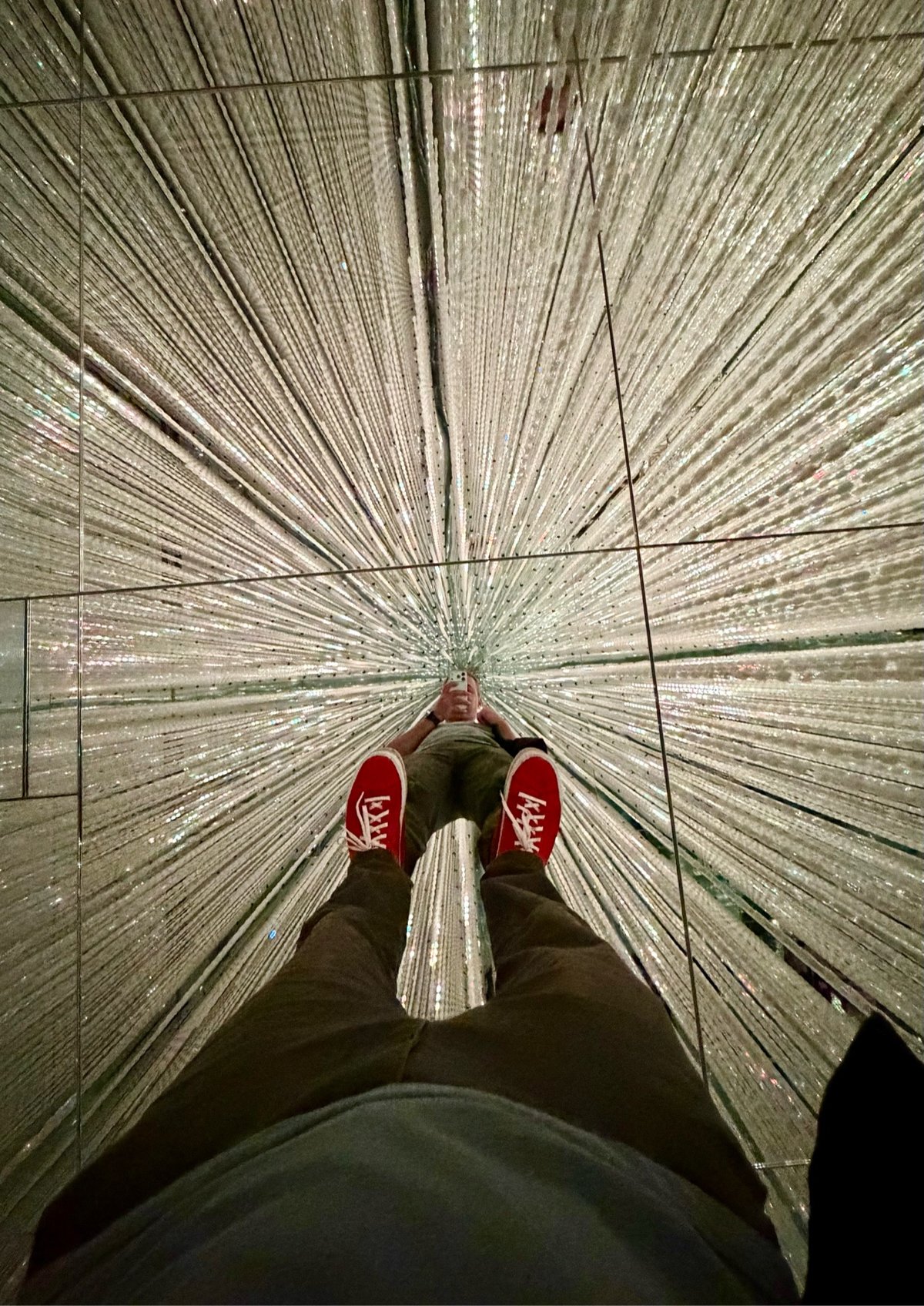
teamLab Borderless. Some of this was too “built for Instagram” but a couple of the rooms (the one where it felt like the whole room was moving & the cathedralish one with the light strings) were great. (A-)
The Sumida Hokusai Museum. Had to make the pilgrimage here. (A-)
In Praise of Shadows by Jun’ichirō Tanizaki. Read this book about Japanese aesthetics while visiting Japan — it provided an interesting context. (B+)
Hokusai at Creative Museum Tokyo. Fantastic show…there were hundreds and hundreds of prints and drawings that showed his evolution and influence. (A+)
Okunoin Cemetery. Had one of the strongest senses of place I have ever experienced. (A)
Konbini. The Japanese convenience stores really are as appealing as you’ve heard. (A-)
Awakening Your Ikigai by Ken Mogi. Perhaps a little over-simplifying when it comes to Japanese culture, but I appreciated the message of having a purpose. (B)
Sho-Chan Okonomiyaki. When I got to Hiroshima, I knew I had to try their version of okonomiyaki, so I went to Okonomimura, a multi-story building crammed with okonomiyaki restaurants. I picked one and had one of the most surprising meals of my trip. So good. (A)
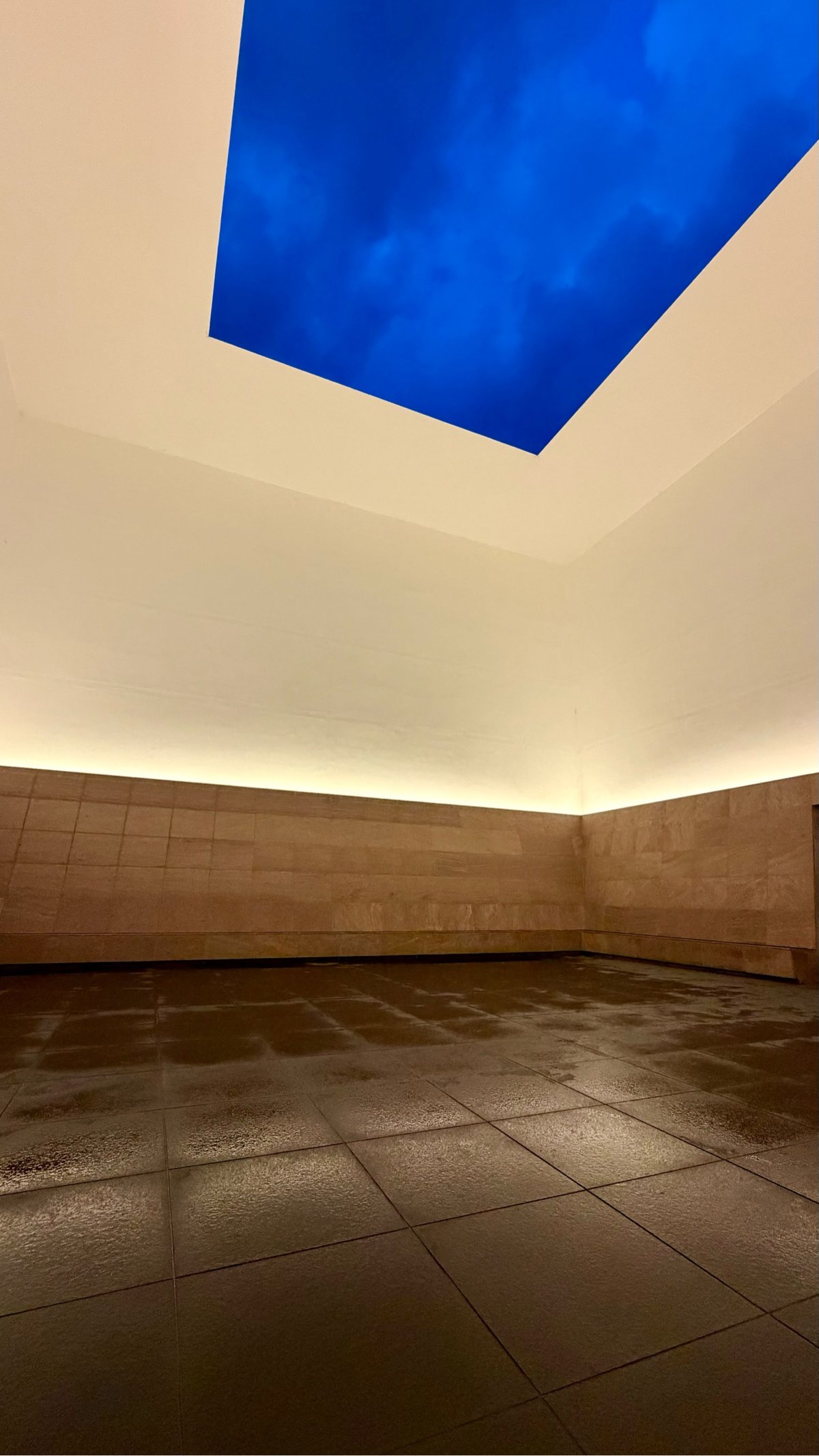
Blue Planet Sky. I spent a lot of time sitting in this room by James Turrell. (A)
Kanazawa Phonograph Museum. Lovely little museum, and a good opportunity to observe how successful inventions move from technology to culture/fashion/commerce. (A)
Princess Mononoke. I saw this in the theater on my last full day in Tokyo; they recently released a 4K remaster. Absolutely breathtaking. (A+)
Butch Cassidy and the Sundance Kid. Redford and Newman are both total smokeshows in this. And I’d forgotten how goofy this movie is. (B+)
A House of Dynamite. A very tough watch, but I thought this was fantastic as a tour of some of the different kinds of people who hold the fate of every single person on the planet in their hands every damn day. They’re tired, stressed, distracted, at cross-purposes with themselves, set in their ways, more celebs than leaders, and mediocre. And none of them have ever seen Dr. Strangelove? (A)
Past installments of my media diet are available here. What good things have you watched, read, or listened to lately?
Chindōgu is the Japanese practice of inventing things that are not exactly useful but neither are they useless; they’re more unuseless, a term coined by chindōgu’s originator Kenji Kawakami. Some examples are tiny umbrellas for shoes, chopsticks with a tiny fan on them to cool your noodles before you slurp them, a flu headset (basically a roll of toilet paper you wear as a hat), and onion chopping glasses that have little fans that blow the onion fumes away from your eyes so you don’t start crying. This video explains chindōgu and provides some examples:
This is a great explainer as well, with lots of images and videos of examples, like this one:
Chindōgu have to be made. If you design the invention on paper and don’t make it, it doesn’t qualify. It’s a piece of paper with a bad invention on it. Bring the invention into the physical world so humankind can experience how truly almost useless it is.
Related: How the selfie stick was invented twice.

I began at the end. The Chōishi-michi pilgrimage route is an amazing 12-mile trail that winds its way up through the forest from the Jison-in temple in the town of Kudoyama in the valley to the Danjo Garan temple in the town of Kōyasan in the mountains. The origins of the trail date back to the founding of Kōyasan as a center for the esoteric Shingon school of Buddhism by Kūkai (aka Kōbō Daishi) in 819 CE. Legend has it that Kūkai used the trail to visit his mother; ever since, for some 1200 years, Buddhist faithful have been using the Chōishi-michi to worship in sacred Kōyasan. I was going to follow in their footsteps, for my own ends.
To climb up a mountain like a proper pilgrim, you need to start at the base. Seeing as my lodgings were already in Kōyasan, my journey began by a) catching the bus down a winding forest road; b) where I boarded a cable car for the ludicrously steep journey down to Gokurakubashi; c) where I got on an extremely local train; and d) finally disembarked at the Kudoyama train station and walked to the starting point. One hour and 30 minutes after I’d left my guesthouse, I stepped through the gate of the Jison-in temple. Now all I had to do was climb the entire 4100 feet of elevation back to where I’d started.

When establishing the Chōishi-michi some 1200 years ago, Kūkai marked the route with wooden guideposts, one every 109 meters. You don’t want your pilgrims getting lost — how are you going to find eternal salvation if you can’t even make it to the temple? The markers were replaced with more sturdy stone gorintō in the late 13th century. 180 of these stone markers are situated along the route from to Jison-in to Danjo Garan, along with another 36 markers from Danjo Garan to the Mausoleum of Kōbō Daishi in the Okunoin Cemetery. In the spirit of wayfinding, perhaps a map of my there-and-back-again route would be useful:

———
I was thankful for the frequent stone markers as I’d gotten a little lost on my hike the previous day. I was traveling on — or I was supposed to be traveling on — the Nyonin-michi pilgrimage route (Women’s pilgrimage route) and doing pretty well when I took a wrong turn right near the end.
This particular trail, though popular, wasn’t on All Trails and markers were sparse, so I was doing a lot of pinching & zooming of Google Maps and a PDF I downloaded from the internet. The trail curved right and I stayed straight, wondering why this bit of the trail was a little less blazed than the rest of it had been, and I popped out into the backyard of a temple. Oh no, I thought, I’m not supposed to be back here; only monks are supposed to be back here. I’m offending so many ancestors right now.

More pinching and zooming — ok, there’s a road off to the northwest. I set off and walked by what looked like some recent graves? The ancestors: so mad right now! What a disgrace of a pilgrim I am. I found myself crouching as I walked almost on tiptoe, trying to evade detection — even though the Buddha surely knew where I was and what I’d done. The road was just where the map said it would be; I slipped through a gap in the fence and followed it downhill for a quarter mile, not entirely sure I wasn’t still in a restricted area.
I came up on the other side of the temple and realized I’d stumbled into the backyard of Kōbō Daishi’s Mausoleum, where Shingon founder Kūkai entered into eternal meditation in 835 CE,1 aka one of the absolute holiest places in all of Japan, aka I am in deep, deep shit with the ancestors. Abandoning my plans for lunch, I entered Okunoin Cemetery through a proper entrance and made my way to the mausoleum. Wishing to make amends, I bowed at every bridge and threshold where everyone else was bowing and threw some coins into the saisen box.2 Many of the people around me were quite emotional about being there. The whole atmosphere just felt good, peaceful, numinous.
———


Ok, back to the Chōishi-michi, the big 12-miler. The first few miles felt almost straight up and then the trail leveled off for a while. The weather was cool but humid, so I hiked in shorts sleeves, sweating. It rained intermittently. Fog crept up the mountainside. I hiked though persimmon orchards; they’re in season right now. Small stands sold oranges & persimmons on the honor system. The path was well marked, not only with the stone gorintō but with well-placed signs in Japanese and English pointing the way to Kōyasan.


Walking the narrow path between the forest’s tall evergreen trees felt like entering a European cathedral with a towering vaulted ceiling. A bamboo forest earlier on the hike had a similar feeling; spaces such as these make you look up and feel whatever power or force or presence you believe in. You feel small and big all at once. The forest: unbelievably beautiful.

I heard voices through the trees and then the crack of something — was that a golf ball? Am I hiking through a golf course? The trail came to a clearing and lo, the tee for the 13th hole. The path also passed by vending machines,3 crossed roads, and zagged through tiny towns. The modern world, built up around this ancient trail.
I stopped for lunch around the halfway point: a sandwich, apple & custard pastry, and a small can of consommé flavored Pringles procured the night before at FamilyMart. FamilyMart is one of the big three convenience stores (konbini) in Japan — the other two are Lawson and 7-Eleven. Before you come to Japan for the first time, everyone tells you how amazing the konbini are: “You’re not going to believe this, but…” And then you get here and damn, they were right. The consommé Pringles were delicious.
After lunch: one foot in front of the other. Pilgrim mode locked in. Maybe I should become a monk, I think. I’m pretty good at being a pilgrim, the hiking part of it, I mean. I’m fine being alone with my thoughts. The clothes look comfy. I could be a monk with the internet at the center of my practice. Hours spent doomscrolling is kind of like meditation, right? It’s certainly a flow state of sorts, like the blood gushing from the elevators in The Shining. I’m into aesthetics. And I— oh, it’s ascetic? Ah. Maybe I’ll just stick to my secular life then.
Another stone marker. Another 109 meters. Keep going. I pass one every 90-100 seconds or so. Early on, the markers flew by; I didn’t even notice some of them. Now I’m searching them out ahead, peering up the slope I know (via All Trails) steepens sharply right at the end. Is this is the last one? No. But keep going. It’s damp, the rocks are wet. An inch of moss covers everything save for the well-worn pilgrimage path. It feels like a rain forest. Another stone marker. Another 109 meters. Keep. Going.
I sense the top of the hill — something about the light changes. I see a guardrail ahead. Emerging on the side of the road, I cross it and make for the Daimon gate, the traditional entrance into town. On the threshold, I bow deeply. Stepping over, I pump my fist in the air — I’ve made it back to Kōyasan.
———
A weary pilgrim deserves a hot bath. My guesthouse is a further few hundred feet. The woman who runs it is very nice and a little kooky; I like her. After the sacred backyard debacle the other day, I told her about all the ancestors I’d offended. She chuckled and told me, the ancestors, they don’t mind so much. She cooked me breakfast (delicious, nutritious) every morning — you don’t look like a tofu person, she said, eyeing me. Correct.
On my last morning, I asked her about a bunch of boxes stacked on a table. I have an interest in incense, she said. Apparently it’s quite involved and the most skilled practitioners are equal in expertise to those who do the chadō tea ceremony. She opened one of the boxes and showed me a very expensive twig of charcoal, which is so special that they sell it by the stick. When the charcoal burns, it does so purely, without giving off any gases or sparking or spitting. Afraid she’s trapped me into politely listening to her going on about her hobby, she checks in: are you actually interested in this? My turn to chuckle; personally & professionally, I’m interested in all sorts of things, even fancy charcoal.
The guesthouse has a kick-ass bathtub, deep and quick-to-fill. My host keeps a selection of bath salts and I select a yuzu one. Tired but happy and fulfilled, I soak a long while, easing the pain in my aching feet & back, the yuzu scent filling my pores.
———
After bathing, I set out to finish my journey. I’d previously walked the length of town to the Okunoin Cemetery and back a couple of times, but I wanted to do the whole thing in one day: from Jison-in temple to Kōbō Daishi’s Mausoleum at the far end of the cemetery, a proper pilgrimage. Well, not quite proper…because I was tired from my hike, I caught the bus instead of walking. The quest is the quest, whatever it takes.

Okunoin Cemetery is one of the most breathtaking and magical places I’ve ever been. Imagine a redwood forest like Muir Woods with Buddhist temples and a 1200-year-old cemetery with tens of thousands of faithful buried in it. The soaring trees create that cathedral effect and even an atheist like me can’t help but feel holy in the presence of so many souls, including Kūkai/Kōbō Daishi himself.
I hopped off the bus and started into the cemetery. Night had fallen and it was quite dark; should I have brought my headlamp? Ah, no need…the way is lit by hundreds of lanterns lining the path at about shoulder height. There are also some brighter, taller lights, a concession to safety I suspect. They’re the wrong temperature though, a rare misstep in a country with an unrivaled collective attention to detail. Whereas the lanterns glow with a pleasant amber light, these safety lights are a cold, garish blue, a color as harsh to the eye as the word “garish” (or “harsh” for that matter).

Aside from a few other people, I’m the only one here at this hour. Why are my shoes. So! LOUD!!? Each footfall echoes about the whole place and the crunch of the sand on the wet pavement under my soles is deafening. Once again, I am disturbing the ancestors. I try to walk quieter but somehow that’s even louder? How is anyone supposed to be eternally meditating with all this racket going on? Definitely not monk material, neither me nor my cacophonous shoes.
What’s that noise?! Some kind of animal? Ok, I can still hear the faint sound of traffic on the nearby road and anywhere with automobile noise isn’t scary — dangerous perhaps, but not scary. I hear another noise, one that I can only describe as “probably bird but what if monkey?” Or maybe Ghibli monster? I gotta say, in case you didn’t know, Hayao Miyazaki sure nailed Japan. Hit it out of the park. Everywhere I go, I am reminded of his work: small food stalls, beautiful parks, tiny trucks, cute little train stations, forest paths — the just-so touches of Japan reflected and amplified by the meticulous and rich detail of Studio Ghibli’s work.

The cemetery oozes Ghibli energy; it is not difficult to imagine thousands of Miyazaki’s weird little guys hanging from every tree and lurking behind every gravestone. Buoyed by their benevolent presence, I make a full loop of the cemetery in the dark, all the way to Kōbō Daishi’s Mausoleum and back to the entrance again.
And then, not wanting to wait 25 minutes for the bus, I walked all the way back to my guesthouse again, stopping at a sushi place for dinner. When I poked my head through the door, there was one other customer, an old guy smoking a cigarette who gestured for me to join him at the communal table. A menu was produced; I ordered so much sushi. Baseball was on the TV in the corner — game 1 of the Japanese equivalent of the World Series. The old couple running the place brought me sake, six massive fatty tuna rolls, six even larger salmon nigiri, and a much larger bowl of miso soup than I was expecting. As the three of them chatted, we all watched the baseball and I finished everything they brought me. I’d walked a total of 17.5 miles and needed to replenish.
I rolled out of there around the 4th inning of the game, arigato gozaimasus all around, and limped the rest of the way back to the guesthouse with a full belly, full heart, and teeming mind — back to where I began, at the end, completely satisfied by one of the best, most fulfilling days I’ve had in a long time.
Courtesy of login.jp (“archiving the Japanese experience through music”), a jazz jungle mix by Takuya Nakamura, played in a Japanese rice field to celebrate the importance of rice in Japanese culture. A trumpet makes a few appearances.
Nakamura recently played a set in an elevator as well. (A trumpet makes a few appearances.)
It’s worth exploring login.jp’s back catalog, including party mix with green onions, techno & house mix in a Japanese fish shop, and chill mix with Japanese grandpa at a stationery shop.
(via mike bates)
I just reread this 2023 post about a neighborhood Tokyo izakaya (and my related thoughts), spurred by a conversation w/ my friend Andrew about what makes for good work, a good life, and a good society. It dovetails with this podcast conversation between Rich Roll and Craig Mod, which I listened to on the plane to Japan and which tore me into about 1000 pieces. Craig talks about what it means to have “enough” and the Japanese term yoyū:
Pondering the shrinking communities and advanced decay he saw during the trip (documented in photos of shuttered main streets and nature vigorously reclaiming the landscape), Mod thought back to his childhood home: a blue-collar American town where the factories had closed, replaced by poverty, drugs and violence.
“The inspiration I’ve always drawn from Japan is that the lowest you can fall is not that low,” he says. “Whereas I grew up watching people fall really, really low — frequently, and kind of hopelessly.”
His explanation for why similar levels of economic decline produce such different outcomes hinges on the Japanese term yoyū, which conveys a sense of sufficiency: enough time, enough money, enough energy. As Mod puts it, yoyū is “the space in your heart to accept another person… another situation, another context.”
“As the economy changes in those rural areas, I think you see a kind of grace because the foundations of support are still there, right?” he continues. “They’re not losing health care. They’re not losing social infrastructure… And that gives them the yoyū to be able to accept the fact that their towns are disappearing, without degrading into substance abuse or violence or whatever. The contrast being in America, there’s none of that sort of protection enabled, so you have none of that excess space.”
As an American, it’s tough sometimes even to conceive of having that excess space (except what you’ve been able to cobble together on your own, a jury-rigged safety net one medical crisis away from collapse). I always notice its presence when I’m traveling — like, oh, this society takes care of its people. Huh.

Hey folks. I’m very excited to be heading to Japan for the first time next month. I’ll be there from mid-October for 3-4 weeks. The current plan is Tokyo, Kamakura, Kanazawa, Kyoto, Osaka, Koyasan, and perhaps Hiroshima — change my mind? If you’ve been there, please leave your recs in the comments below or drop me an email. If you live there or will be visiting at the same time, let’s meet up!
The photograph above is from Koya Bound by Craig Mod & Dan Rubin. The companion website to the book is great.
For years now, photographer Fujio Kito has been documenting cement playground equipment in Japan, often capturing them at night, lit up in captivating ways.


(via laura olin and present & correct)

I love this gorgeous woodblock print from Hasui Kawase, View of Azalea Garden from Mt. Fuji. Hasui was a significant influence on Studio Ghibli & Hayao Miyazaki.
After all, the influence of Kawase on Ghibli, Miyazaki and his team of genius illustrators and animators is plain to see, and Miyazaki himself has previously stated his deep admiration for the legendary painter. The ability of Kawase to capture natural beauty alongside the human experience plays a significant part in Miyazaki’s love for Kawase, and it finds its way into several of the best Studio Ghibli films.
The likes of My Neighbour Totoro, Spirited Away and Princess Mononoke all feature landscapes that are highly reminiscent of Kawase’s woodblock print style. Whether in the lush forests or beautiful countryside settings, it’s clear that Miyazaki was always keen on paying his respects to one of his favourite artists.
Here are a few more of Hasui’s hundreds of works:


You can find a large catalog of Hasui’s work here, at Wikimedia Commons, and at Flickr.
I finished the last half of Shōgun, James Clavell’s 1200-page 1975 historical novel, on my recent vacation, riveted the entire time. I loved reading it and possibly enjoyed it more than Hulu’s TV series (which is saying something). The TV version hews pretty closely to the text but the major difference is in the amount of detail and explanation available to the book’s readers. There’s just so much more intrigue & plotting in the book and the reader is much more aware of what’s going on than in the show (the reader has access to the inner dialogue of multiple characters), but without sacrificing any of the suspense or drama. And the end of the book is devastating — I was completely gutted by it.
Anyway, I’ve been poking around to see what else I can read/watch/listen to about Shōgun and the historical period in which it’s set. Here’s what I’ve found so far:
- Of course, there’s the original TV adaptation of Shōgun from 1980, which I was surprised to find that you can stream on Amazon. Richard Chamberlain stars as Blackthorne and the legendary Toshiro Mifune as Toranaga.
- Just before the 1980 miniseries was broadcast, a group of scholars published a book called Learning from Shōgun: Japanese History and Western Fantasy. “This book is intended for those who have read James Clavell’s Shōgun and who are curious about its educational significance as ‘A Novel of Japan.’” The book is out of print but I found this PDF copy on Columbia’s website and have been reading it with interest. I wonder though how contemporary scholars would react to Shōgun.
- FX Networks’ viewers guide for the 2024 miniseries has a bunch of resources on the history behind the events in the book & show, including this 6-minute video on The World of Shōgun: History & Backstory.
- Naturally, there are podcasts. The Hulu series has an official podcast (also available on YouTube). The Prestige TV Podcast did 60-minute+ recaps on all the episodes (first episode on Apple & Spotify). A Short History of Japan podcast runs 35 episodes…it looks like the last few cover the period in question. (I haven’t listened to any of these yet, so ymmv.)
- There are also many books about the late Sengoku & early Edo periods of Japan, but it’s hard to pick out which ones are actually good. I poked around on various lists and found Sengoku Jidai. Nobunaga, Hideyoshi, and Ieyasu: Three Unifiers of Japan, The Battle of Sekigahara: The Greatest, Bloodiest, Most Decisive Samurai Battle Ever, and The Company and the Shogun: The Dutch Encounter with Tokugawa Japan.
If anyone has any advice on what to watch/read/listen to about this period of Japanese history, please share it in the comments. The resources I found are mostly Western, so I’d be especially interested in English translations of Japanese resources.
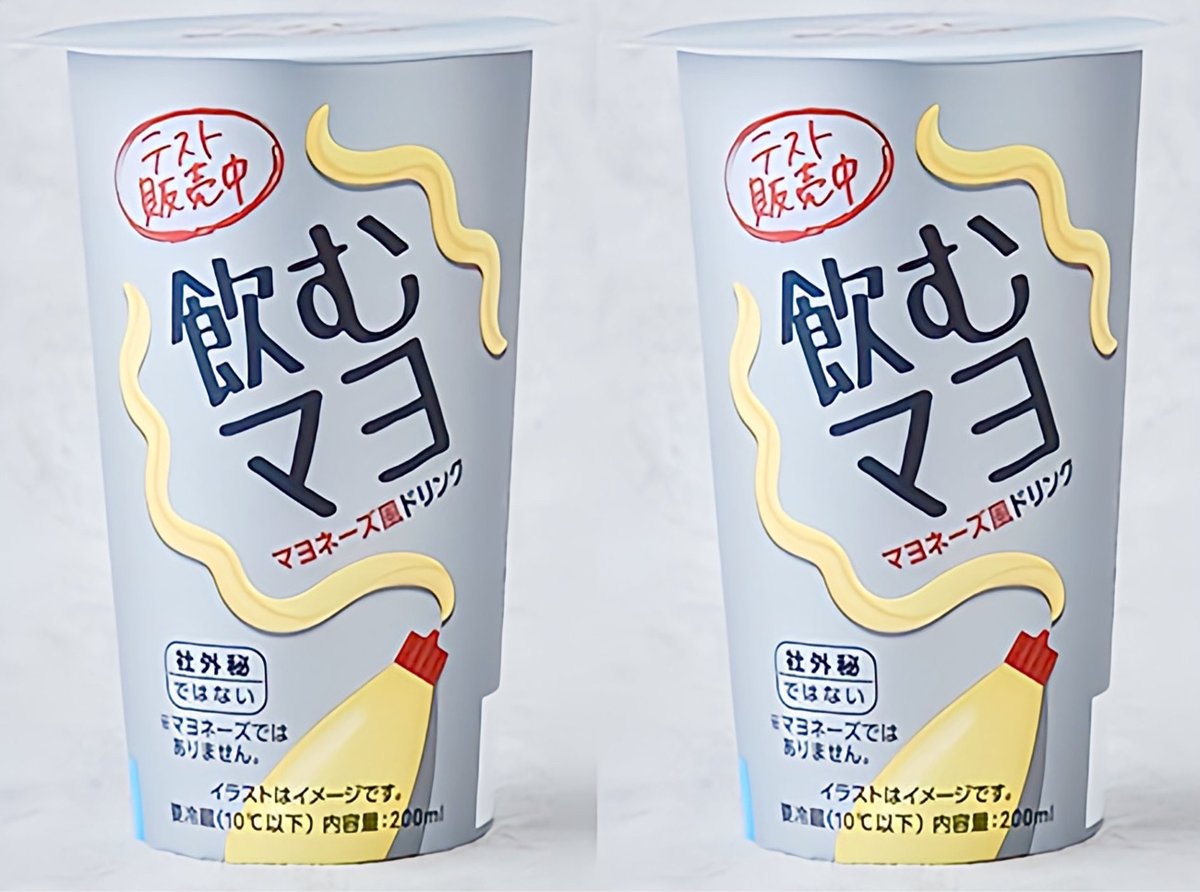
Lawson’s, a convenience store in Japan, has begun selling Nomu mayo, a drinkable mayonnaise forgetting the important adage: all mayo is drinkable if you believe in yourself.
The only catch for pedantic mayonnaise lovers is that the label clarifies that Nomu mayo is a “mayonnaise-style drink” and “not mayonnaise”. Currently in a “test sale period”, it still remains to be seen if Nomu mayo actually appeals to Japanese customers, who are used to the thicker and richer taste of Japanese mayo, as opposed to more Western varieties.
Unrelated, the best idea I ever had for a reality television program was “Uh Oh, It’s Mayo!” The premise being kind of like Cake or Not Cake (though this idea is from 2008) where the host goes around offering people the opportunity to taste different food products with some of them being 100% mayonnaise. It even had a theme song, the tune of which you’ll have to imagine unless you want to text me so I can send you a voice memo of it, but the lyrics are, “What’s in the pie, I don’t know. Uh oh it’s mayo!” Call me, Bravo.
Halloween is not really my thing, but I always like looking through some of the best mundane costumes from Japan via Spoon & Tamago and Nick Kapur. A few of my favorites:

“Man who keeps getting mistaken for a store employee”

“Students who went to the cafe to study but ended up spending the whole time reading manga and looking at their phones”

“Person who was stingy and only paid for the smallest plastic bag”

“That one coworker who kindly fills the office humidifier with water every morning”

“Referee at a tug-of-war competition”
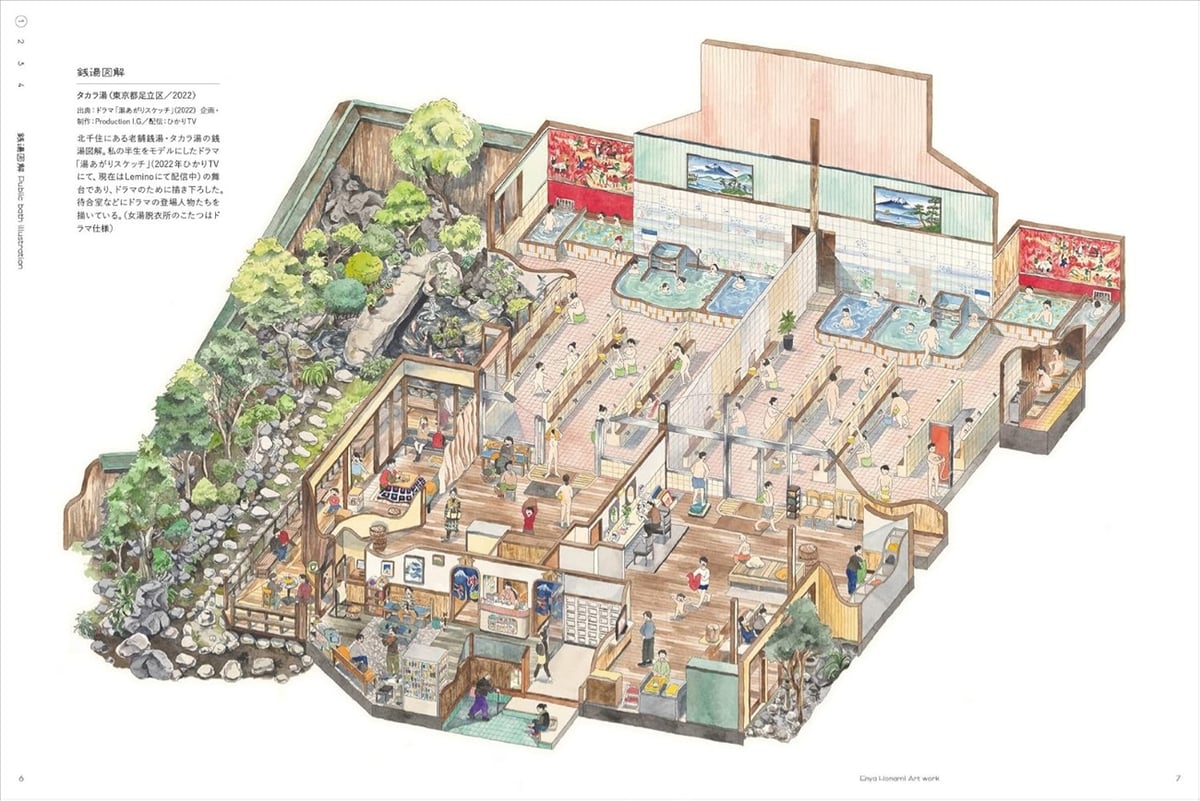
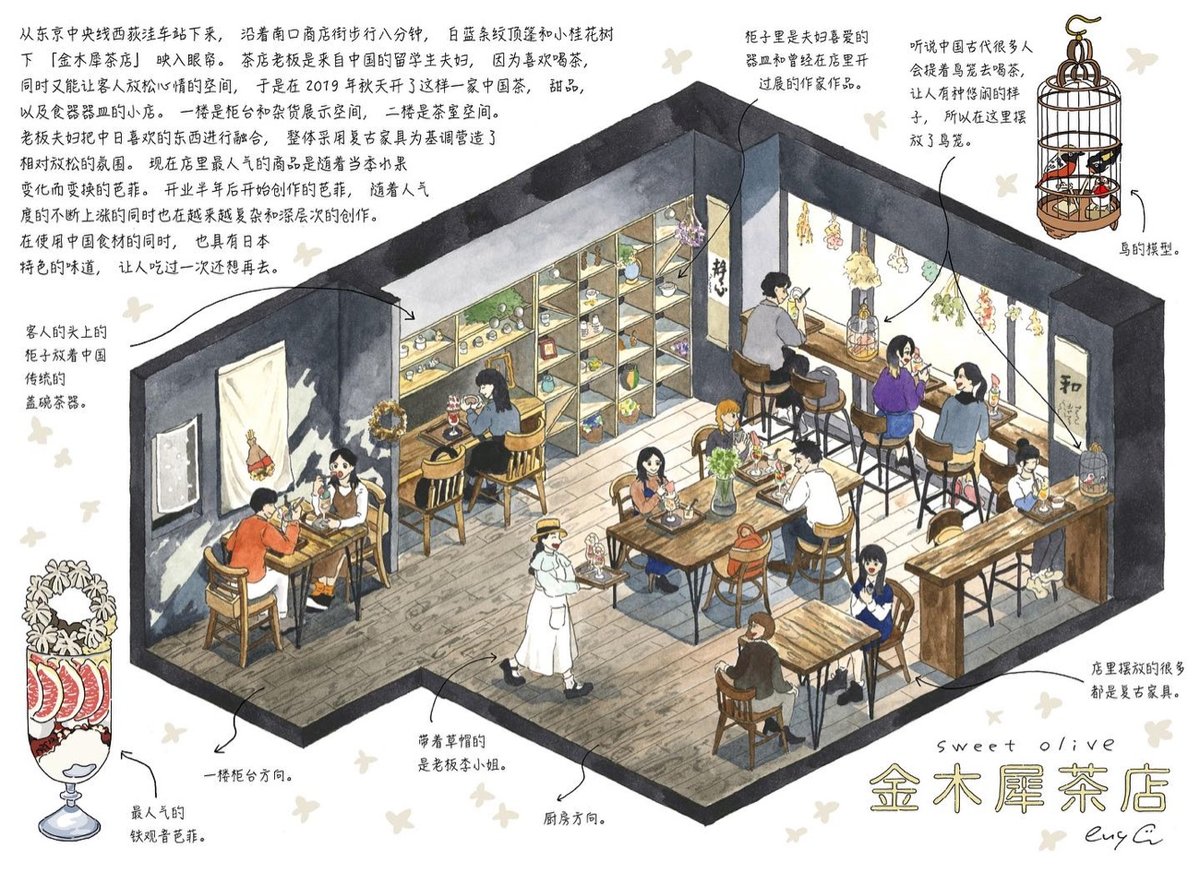
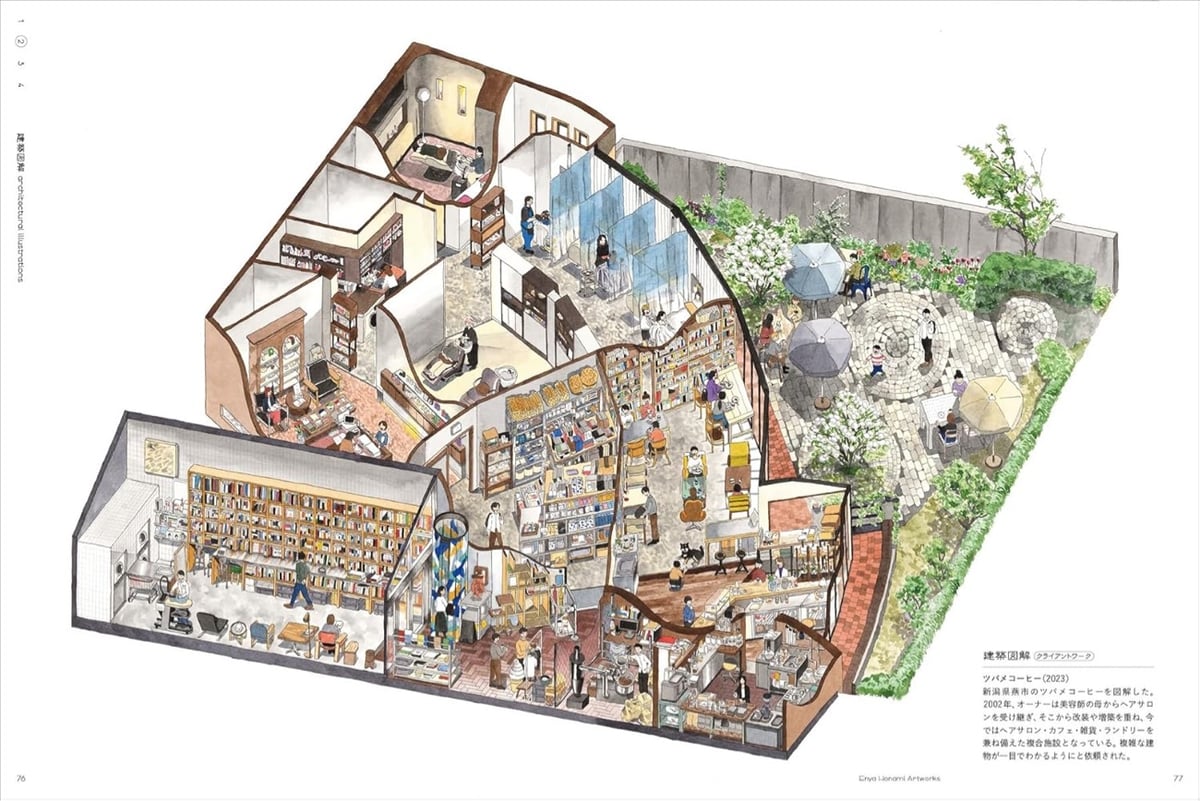
I love these isometric cutaway drawings by Japanese illustrator & architect Enya Honami. From Spoon & Tamago:
Honami is a skilled draughtswoman by trade, having obtained an MFA in architecture and working at a well-known Japanese architecture firm. But the grueling hours and workload eventually weighed on her physical and mental state and she fell ill, which turned out to be a blessing in disguise.
Enya’s doctor advised her to take some time off, and find a place where she can relax and warm her body. That’s how she discovered Kosugiyu, her local sento in Koenji. She quickly fell in love with her local hotbath and not only started working there but also began employing her architectural rendering skills to create illustrations of the space. Soon, others began asking her to draw their hotbaths as well and her clientele expanded from sento and even spread to kissaten.

Kintsugi is the Japanese practice of mending broken pottery repair with visible “scars”. A creative agency working for Oreos came up with the clever idea of selling tubes of Oreo frosting so that people could repair their broken Oreos in the same way.
Oreo’s ‘Kintsugi’ marketing campaign addresses the common issue of broken cookies by drawing inspiration from the ancient Japanese art. Kintsugi, which means “golden joinery,” is the practice of repairing broken pottery by mending the areas of breakage with lacquer dusted or mixed with powdered gold, silver, or platinum. This technique not only restores the item but also adds beauty and value to the breakage.
Consumers often find broken Oreo cookies to be a disappointment, viewing them as imperfect and less enjoyable. However, the philosophy of Kintsugi teaches that there is beauty in imperfections and that items can become more valuable when repaired thoughtfully.
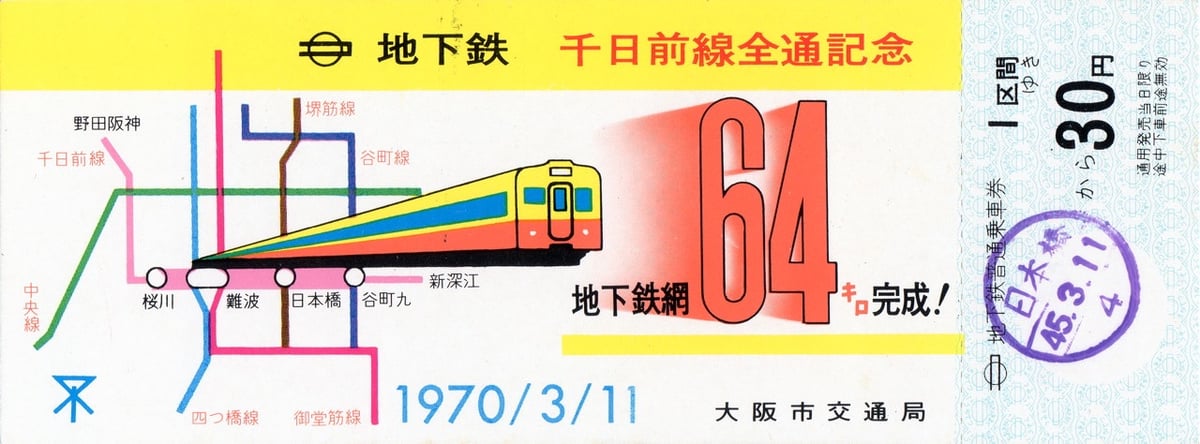
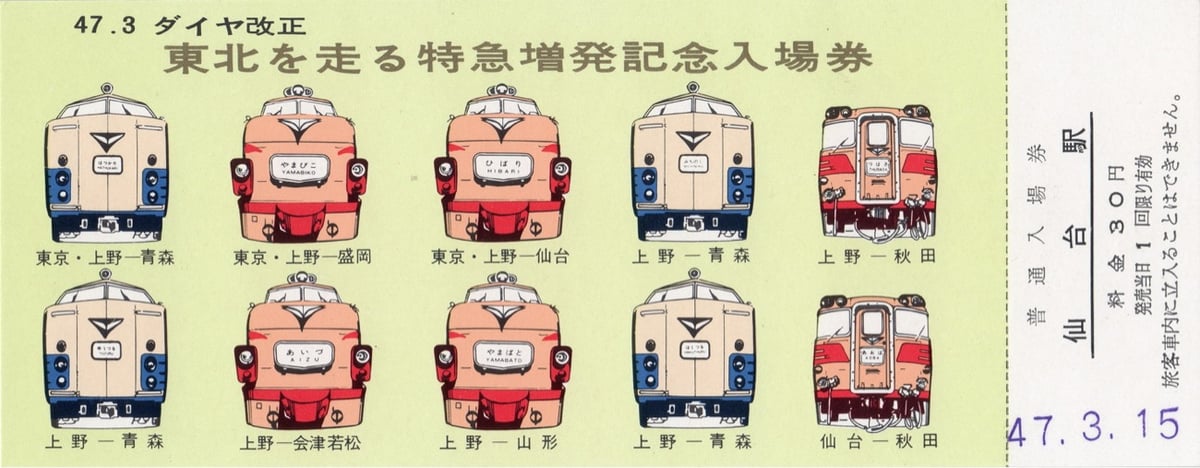
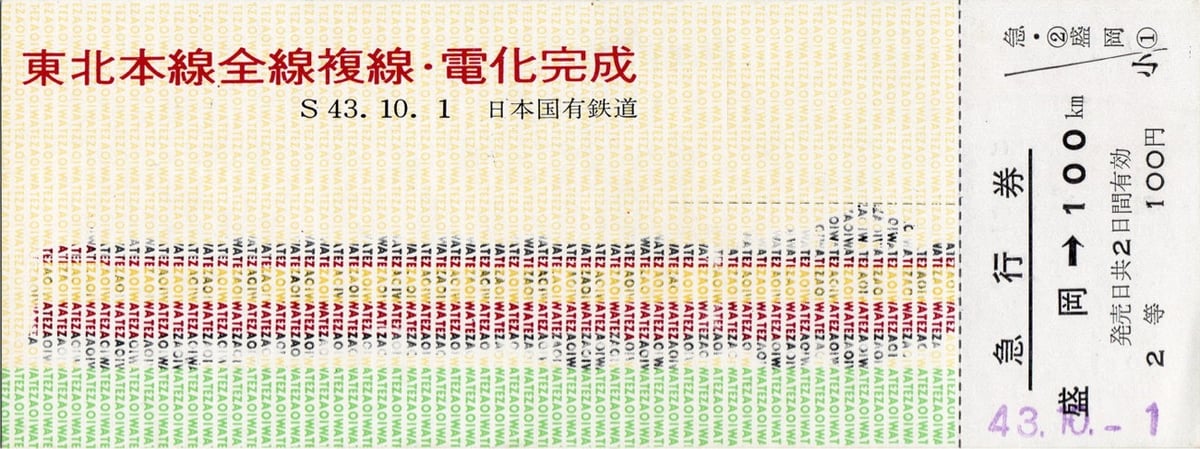
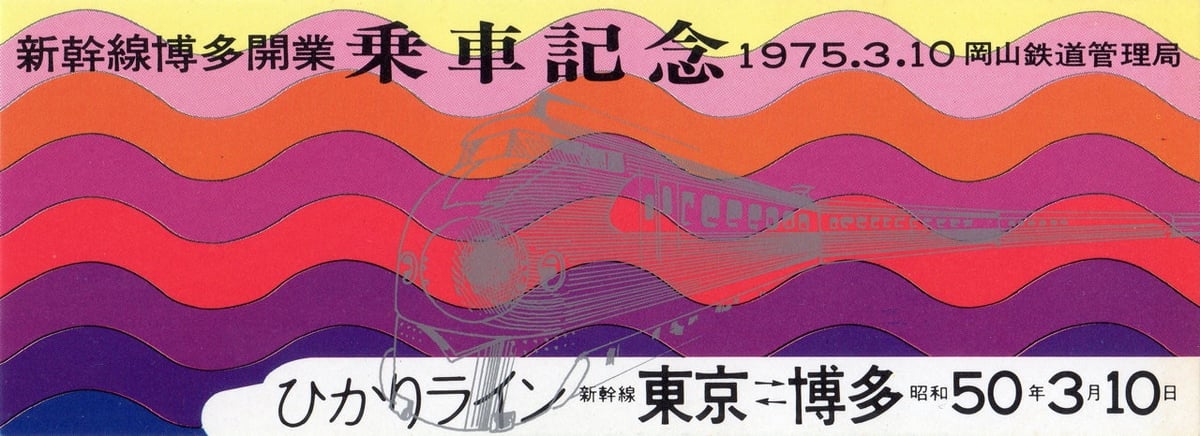
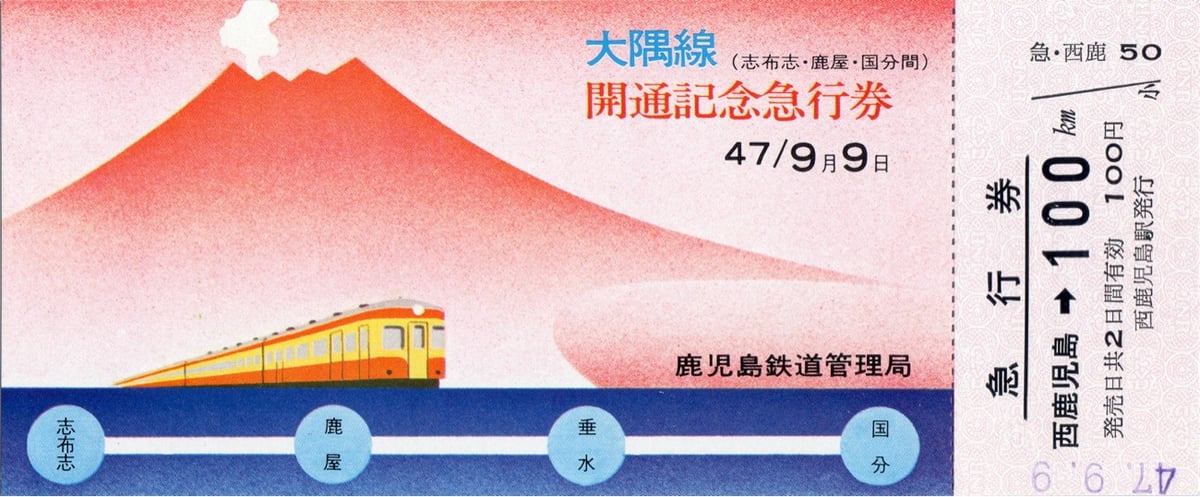
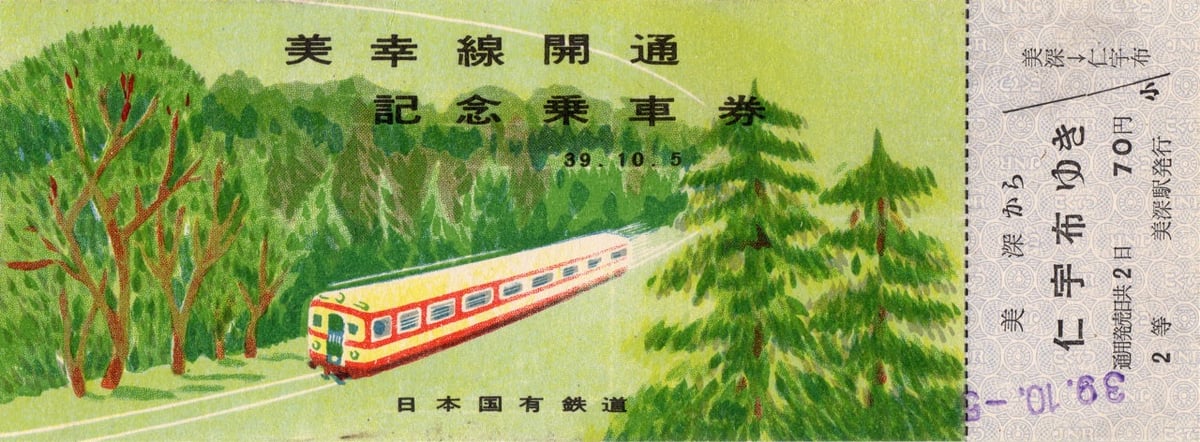
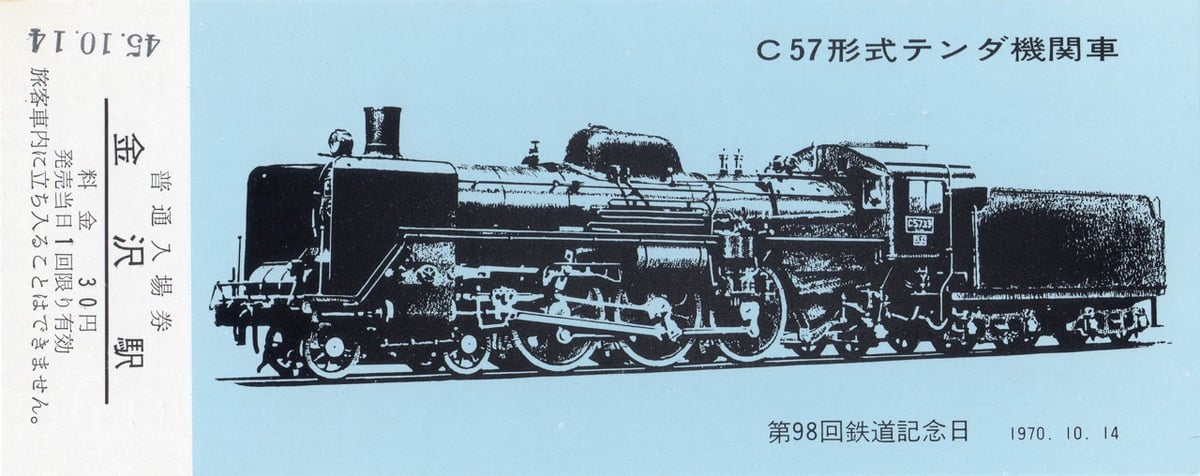
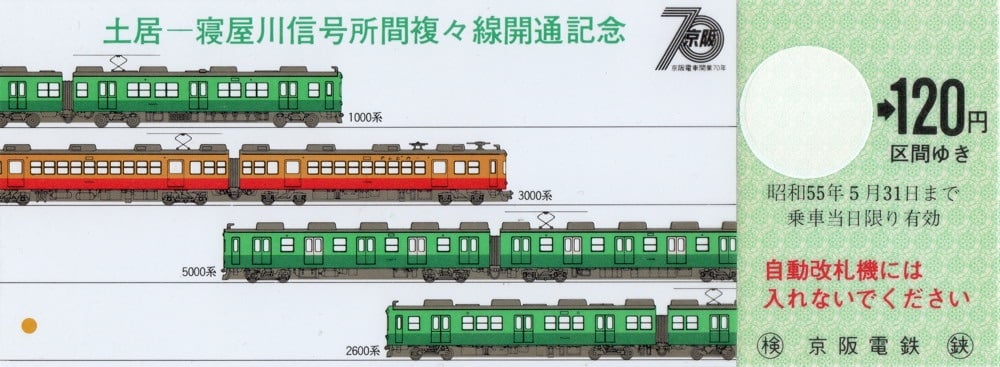
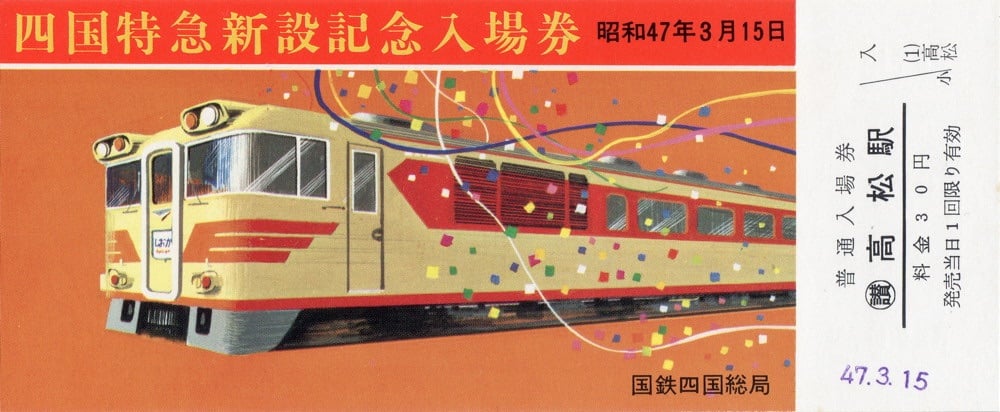
Oh, these old Japanese train tickets, sourced from this collector, are wonderful. So much design inspiration. You can find more at Present and Correct.
See also Vintage Weekly Bus Passes.


The small town of Konagai in Nagasaki Prefecture has a number of whimsical bus stops shaped like fruits.
Today, there are 5 kinds of fruit-shaped bus stops; strawberry, watermelon, cantaloupe, orange and tomato. The area of the highway is now referred to as “Tokimeki Fruits Basutei Dori”, or “Tokimeki Fruit-shaped Bus Stop Avenue”.
(thx, caroline)
There are only a couple of things I like about Halloween: 1. Heidi Klum’s costumes (last year she dressed up as a worm), and 2. the relatively recent Japanese tradition of mundane Halloween costumes. From Spoon & Tamago and Nick Kapur (here too), here are a few of my favorite mundane costumes:
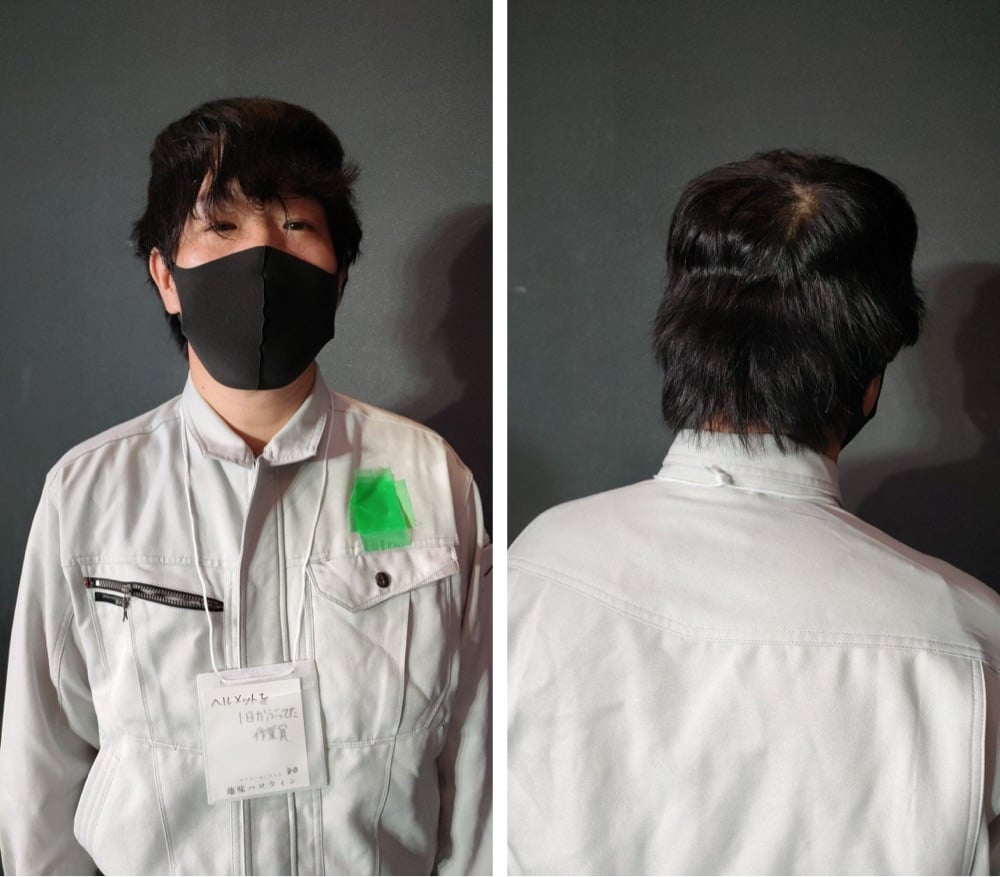
“Factory worker who wore a helmet all day”
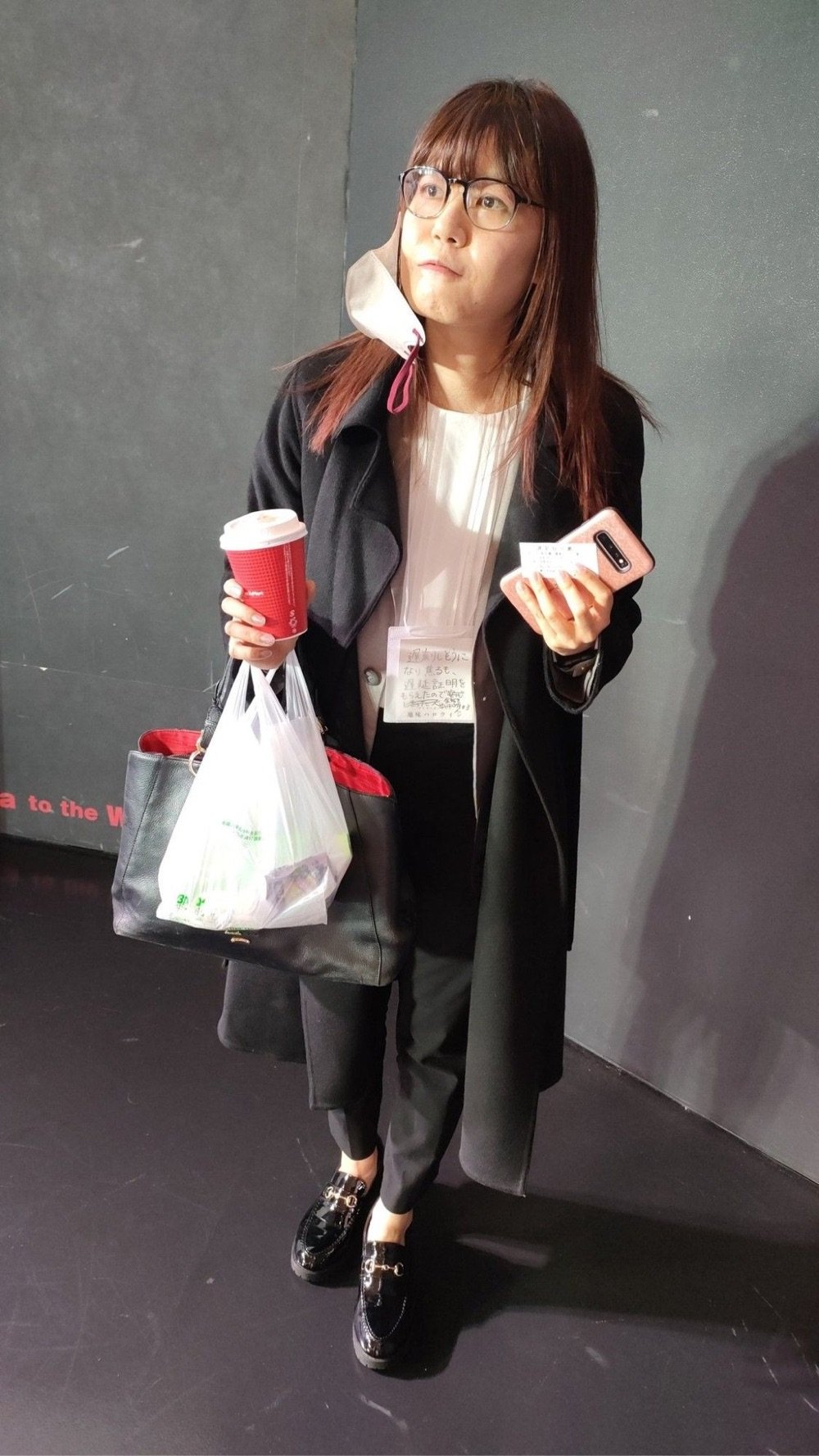
“Person who was about to be late for work, but then their train got delayed and now they are taking their time since they got a proof-of-delay ticket from the station”
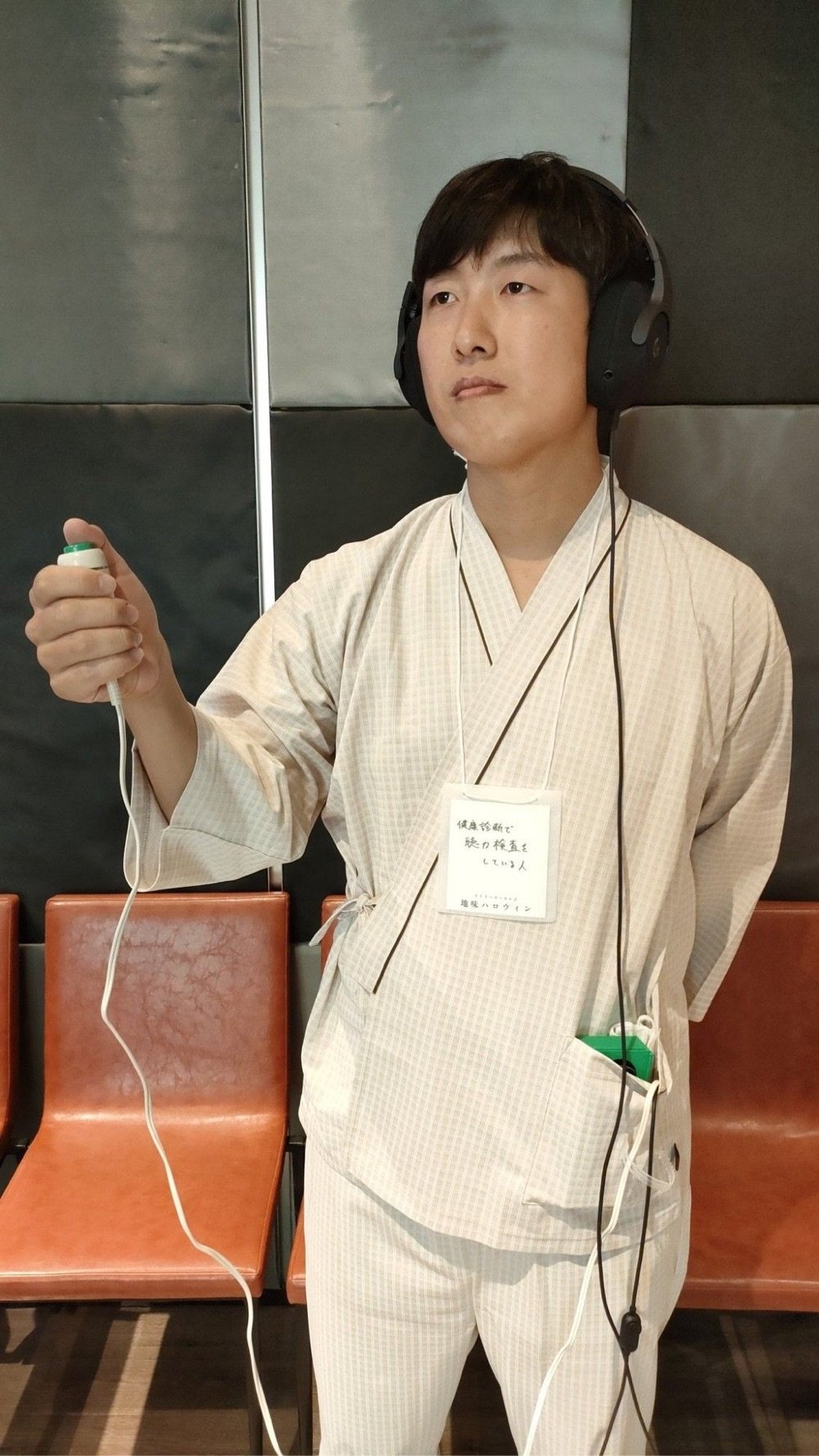
“Person taking a hearing test at the doctor’s office”
See also 2021’s best costumes, including “guy who leans in as his Mario Kart character turns a curve”.
This is great and I loved it to bits: a 15-minute video from the Life Where I’m From YouTube channel about a tiny izakaya (13 seats!) in Tokyo owned and operated by a woman called “Mama” by her regulars.
When Mama is busy, regulars at this izakaya will serve themselves, get their own beers, get their “bottle-keep” and make their own drinks. They’ll also help out Mama-san by serving other customers as well. […] Bottle keep is when a customer buys a bottle and the shop holds on to it for them. Then the next time they visit they can drink from that bottle again.
I’ve got lots of thoughts about this and connections to make! The izakaya’s casual help-yourself atmosphere reminded me of a post I made here more than 20 years ago called Business Lessons From the Donut and Coffee Guy.
“Next!” said the coffee & donut man (who I’ll refer to as “Ralph”) from his tiny silver shop-on-wheels, one of many that dot Manhattan on weekday mornings. I stepped up to the window, ordered a glazed donut (75 cents), and when he handed it to me, I handed a dollar bill back through the window. Ralph motioned to the pile of change scattered on the counter and hurried on to the next customer, yelling “Next!” over my shoulder. I put the bill down and grabbed a quarter from the pile.
I followed that up with another post a few years later:
I get my occasional donut in another part of town now, but I noticed something similar with my new guy. Last Friday, the woman in front of me didn’t order anything but threw down a $20, received a coffee with two sugars a moment after she’d stepped to the window, and no change. As they chatted, I learned that the woman pays for her coffee in advance. The coffee guy asked her if she was sure she owed today. “Yep,” she replied, “It’s payday today; I get paid, you get paid.” Handy little arrangement.
Get to know your customers and trust them — it’s a simple thing that even some small businesses never master.
If this place was on my commute home, I would definitely be a regular — it seems more like someone’s living room than a bar. But there are definitely spots with similar vibes in all sorts of places in the world. Last year, I went to a restaurant in Philadelphia called Her Place that also felt like this. From my sabbatical media diet:
A unique dining experience that’s not unlike going over to someone’s house for a dinner party. There are two seatings a night, at 6:00 and 8:30; all parties are seated at the same time. It’s a set menu with no substitutions and everyone in the restaurant is served at the same time. Every course or two, the chef quiets the diners to explain what’s coming up, who cooked it, where the ingredients are from, and anything else she thinks is relevant. It’s operationally smart and creates a great dining environment. Esquire just named it one of the best new restaurants in America.
Great meal and experience. I felt like a regular even though I’d never been there before. Speaking of, I wrote about being a regular back in 2013:
This is a totally minor thing but I love it: more than once, I’ve come in early in the evening, had a drink, left without paying to go run an errand or meet someone somewhere else, and then come back later for another drink or dinner and then settle my bill. It’s like having a house account without the house account.
I really miss that place — I moved away several years ago now but went back to visit as often as I could. But Covid (and an asshole landlord) killed it.
One last thing Mama’s izakaya reminded me of is when I visited a restaurant in Istanbul called Meşhur Filibe Köftecisi.
While I waited for my food, I noticed an order of köfte going out of the kitchen…to a diner at the restaurant across the street. When he was finished, the staff at that place bussed the dishes back across the way. Meanwhile, my meal arrived and the köfte were flavorful and tender and juicy, exactly what I wanted…no wonder the place across the street had outsourced their meatballs to this place. I’d noticed the owner, the waiter, and the cook drinking tea, so after I finished, I asked if I could get a tea. The owner nodded and started yelling to a guy at the tea place two doors down. A few minutes later, a man bearing a tray with four glasses of tea arrived, dropping one at my table and the other three for the staff. Just then, a server from the place across the street came over to break a 100 lira bill. Me being a big nerd, this all reminds me of Unix and the internet, all of these small pieces loosely joined together to create a well-functioning and joyous experience. There’s only one thing on the menu at Meşhur Filibe Köftecisi, but you can get anything else within yelling distance. I declined dessert…who knows where that would have come from.
(via andy, who correctly guessed this was up my alley)
Craig Mod recently finished a 16-day tour of jazz kissas in northern Japan. Jazz kissas are bar/cafes where one goes to listen to jazz, mostly on records and not live. Mod loosely defies them thusly:
Mostly defined as: Mid-20th century “listening cafes” for jazz music. But there is a lot of variance in this definition. Lots are coffee-focused cafes, fitting into the broader “kissaten” universe. But some are more bar-like, and some even jazz clubs (but for the most part, live music is rare). You can tie yourself in knots splitting hairs over this stuff. Though they’re traditionally known as “jazz kissa” — the shortened version of “kissaten” (fear not: even if you call them “jazz kissaten” you won’t suddenly turn into a pillar of salt). Some are seventy years old. Some forty. Some are five years old. The important defining element is simply: A presiding and effusive ever-abiding love for jazz, jazz, and more jazz.
At each stop, he recorded the ambient sounds of each kissa so that you can experience a little bit of the atmosphere at these places — here’s the full playlist. The recordings were done with a pair of microphones so that the audio is in stereo. This sounds great with a good pair of headphones!
Noh is a classical Japanese art of dramatic dance that’s been performed since the 14th century. The masks worn by characters are an art form in themselves, and in this video, an expert craftsperson carves a noh mask out of a single block of Japanese cypress and then paints it with pigments made from crushed seashells.
I love the look of the rough texture of the mask when she’s about halfway through, before she smoothes it out with the paint — it’s like IRL low-poly. But the detail of the finished product is incredible.
See also How to Carve Marble Like Italian Master Donatello. (via open culture)
In Japan, people who disappear from their lives are called “evaporated people”. People choose to drop out of their lives for different reasons, ranging from debt or abuse to mental health struggles or a lack of second chances in Japanese society. Some Japanese who want to go into hiding or relocate from domestic abuse or stalkers hire “night movers” to help them disappear.
For more info, here’s a long piece from Time magazine from 2017.
Sometimes a whole team works on a client’s disappearance, swiftly sweeping through an apartment in the dead of night. At TS, it costs between ¥50,000 ($450) and ¥300,000 ($2,600) depending on the amount of possessions somebody wants to flee with, how far they’re going, and whether the move needs to happen under the cover of darkness. Taking along children, or evading debt collectors, can push prices higher. Every day, TS receives between five and 10 inquiries like the one Saita described. Most people simply require counseling or legal advice but the company claims to help between 100 and 150 people to vanish annually.
I’m totally charmed by this collection of Japanese company buildings from Spoon & Tamago that are shaped like things related to what they sell. For instance, here’s a chocolate factory that looks like a big chocolate bar:
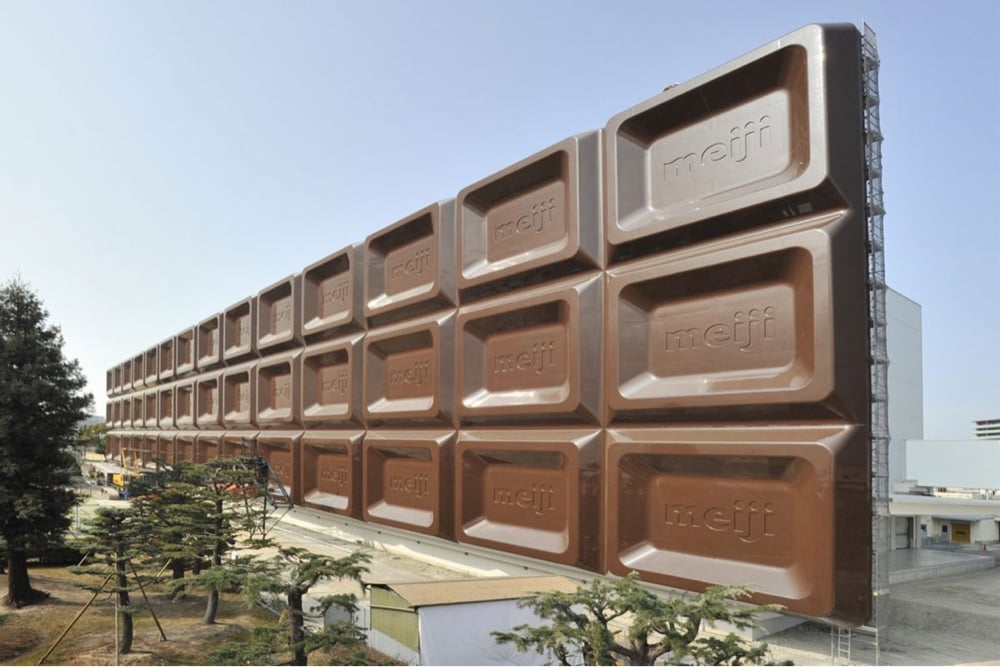
You’ll have to click through to see the rest, which include a building for a pet food company shaped like a dachshund and tanks at a brewery painted to look like beer glasses.
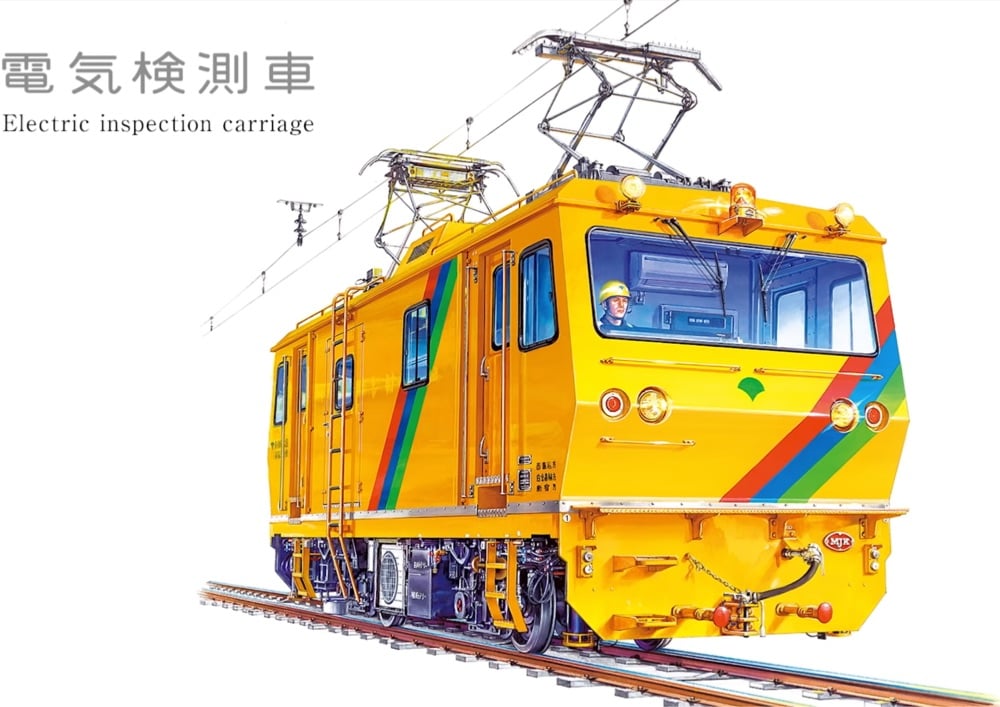
I’m charmed by these ultra-realistic drawings of Japanese maintenance trains by Masami Onishi.
Japanese trains are renowned for their punctuality, comfort and overall reliability. But part of what makes them so reliable is an “unseen” workforce of overnight trains. These trains will be unfamiliar to the everyday rider because they only show themselves after regular service has ended for the day. Working through the wee hours of night and early morning, they perform maintenance work on tracks and electrical wires that ensures a smooth and uninterrupted ride during the day.
My pal Craig Mod recently spotted a “rare and majestic” inspection Shinkansen called Doctor Yellow.
The inspection vehicle is popular among train enthusiasts as a sighting of the train is said to bring good luck since it is so rarely glimpsed.
Gotta love a place that’s so deservedly proud of and enthusiastic about its rail infrastructure.
Update: Great Britain has a maintenance train called the Yellow Banana. (thx, james)
From steel scrap to testing the final product with a ton of water pressure, here’s how Japanese manhole covers are made. The video is perhaps a little long in parts, so I would not blame you for skipping ahead to ~12:10 to see how some of the covers are hand-painted in brilliant color.
See also Japanese Manhole Covers Are Beautiful.
Japan’s lost and found system is legendarily good — millions of items are turned into local police stations by residents every year and most of those items make their way back to their owners (unless it’s a cheap umbrella). As this short video explains, there are a few reasons why the system works so well — the importance of the “societal eye”1 in Japanese culture is one of them.
The Japanese concept of ‘hitono-me’ or the ‘societal eye’ is an important part of the process. “Our internal morals usually help us modify our behavior, but so does the ‘societal eye.’” The culture prevents people from doing wrong, even without a police presence. “Japanese people care deeply about how other people view their behavior. So their attitude to lost property is tied to their image in society.” The moral discipline is upheld even in the face of natural disasters. “It’s often the case in Japan that when disasters happen, crime doesn’t go up. The only exception was the Fukushima disaster when we had cases of crime. So I think that the power of people’s eyes around us is far greater than the power of public authority.”
This article goes into more detail about why Japan’s lost and found system works so well. The comments on YouTube are full of people describing their experience w/ the lost and found system, many by foreigners who are stunned at the honesty. Here’s one:
This is really true. I lost my bag that had all our passports, laptops, money… everything. Somehow they managed to track it down 200km in Nagoya and bring it to me the next morning in Takayama. I offered to give them something as a token of my gratitude but they didn’t accept because this is considered normal in their country. Absolutely amazing.
Older posts




Socials & More