kottke.org posts about photography
Here are some photos I’ve taken during my time in Tokyo so far. I’ve been posting new stuff more or less daily to Instagram. Somehow I’m already about halfway through my stay.


Somehow these images both capture and don’t even come close to capturing my experience here. That kinda place, I guess.

NASA’s JWST recently snapped this image of the Lion Nebula (NGC 2392).
Massive stars undergo supernova explosions at the end of their lives, but these kinds of events are few and far in between. Most of the universe’s stars have lower masses, like the one belonging to NGC 2392. When a lower-mass star can no longer sustain itself with nuclear reactions in its core, the star becomes unstable and pulsates, losing its mass by shedding its outer layers, which then turn into shells of gas and dust called a planetary nebula. (Stars at this life stage are responsible for producing much of the universe’s observable dust.) The star’s radiation drives the ejected material away, leaving behind the very hot stellar core, also known as a white dwarf.
In the Lion Nebula’s case, the death of the oxygen-rich central star has left behind a white dwarf that is “cooking” everything from the inside and producing a bubble of ionized gas as it does. The gas bubble, which forms the lion’s face, is expanding over time and destroying dust that is in its path. Understanding why the swept-up gas has a complex structure of rings and shells, a common feature in planetary nebulae, is an ongoing endeavor.
The mane of the lion is the interior of a dust shell that is being illuminated by the white dwarf at the center. The tufts of hair, which look like cometary tails of material, are compact clumps of dust that have survived the stellar core’s radiation and protect the material that lies behind them.
Webb’s imagery “freezes” this planetary nebula in time, though the star’s death, and its tumultuous effects, go on. NGC 2392 will continue to undergo changes as its gas and dust migrate away from the stellar core. Astronomers estimate the lion will eventually disperse in approximately 10,000 years — a relatively short period in astronomical terms.
The Hubble imaged the nebula in 2000 in visible light, but the JWST’s infrared cameras are higher resolution and better at capturing the gas and dust details.
Discovered by William Herschel in 1787 and “visible with a small telescope”, the nebula was called the Eskimo Nebula until recently — NASA discontinued using that name in 2020 because “certain cosmic nicknames are not only insensitive, but can be actively harmful”. (via robin sloan)

Japanese photographer and artist Tomoko Sawada works primarily in self-portraiture. For her first project, she visited ID photo booths to take hundreds of photos of herself, dressed, posed, and presented differently. Eugenie Shin of Tokyo Weekender calls that 1998 project, ID 400, “a dizzying grid of strangers who are all actually the same woman”.

For subsequent projects, Sawada says she’s continued to “examine the relationship between outer appearance and inner self through different concepts”.

(via tokyo weekender)
Agustín Ferrando Trenchi became a little obsessed with the moon as a kid. As an adult, he’s taken tons of photos and hundreds of hours of footage of the moon. After seeing an airplane fly close to the moon while he filmed, Trenchi began a quest to capture a plane flying across the face of the moon.
Over the course of 10 years, he took photos and videos of birds and statues silhouetted by the moon, but planes eluded him.
I realized if I wanted to film this, I was going to have to try a different approach. It wasn’t just going to happen by accident. So in February of this year, taking advantage of being in London, I decided to go near one of the busiest airports in the world to maximize my odds as much as possible.
But while we were on our way, I had second thoughts. I felt like it took the fun out of it. It didn’t make sense to force it that much either. So we got off.
I’m not going to spoil the video, but the whole thing is just so lovely — a meditation on obsessions, journeys, and finding meaning in your life. (via virginia)
To go along with my recent post about control rooms, here’s the Control Panels group on Flickr, containing almost 3000 photos of control interfaces for all kinds of things.
You’ll see some of the same photos as in the Control Rooms group, but when you get past the first couple of pages, there’s more variety: fiddly knobs, entire walls of nearly identical switches, dials, inscrutable gauges, soda machine interfaces, bump it and you might die buttons, computers with switches, Swinging Fingers (!!), and many more…


How much Gorton did you spot?


The Comedy Wildlife Awards have announced the finalists for the 2026 competition and, well, these awards never miss. You can almost hear the background music for some of these…
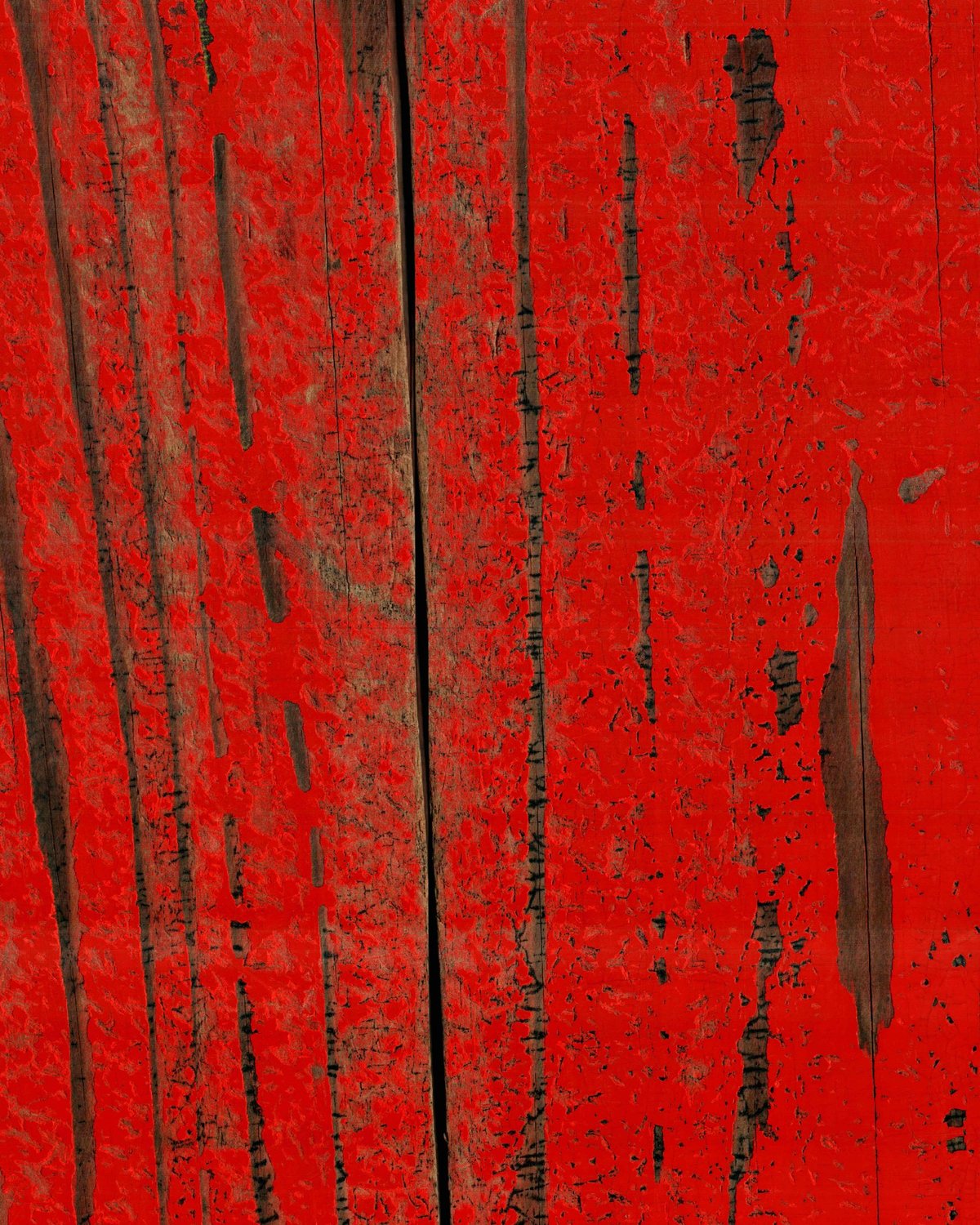
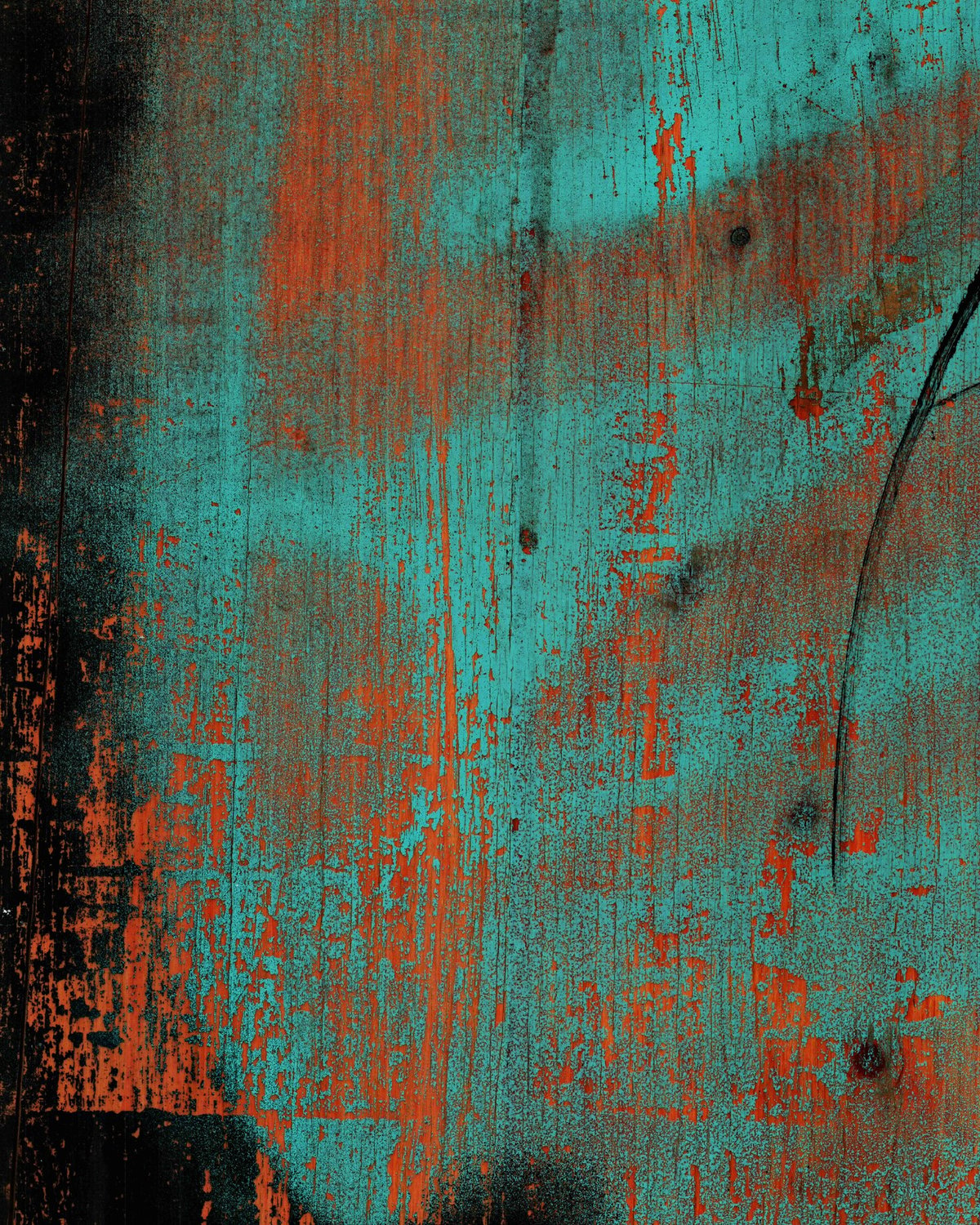

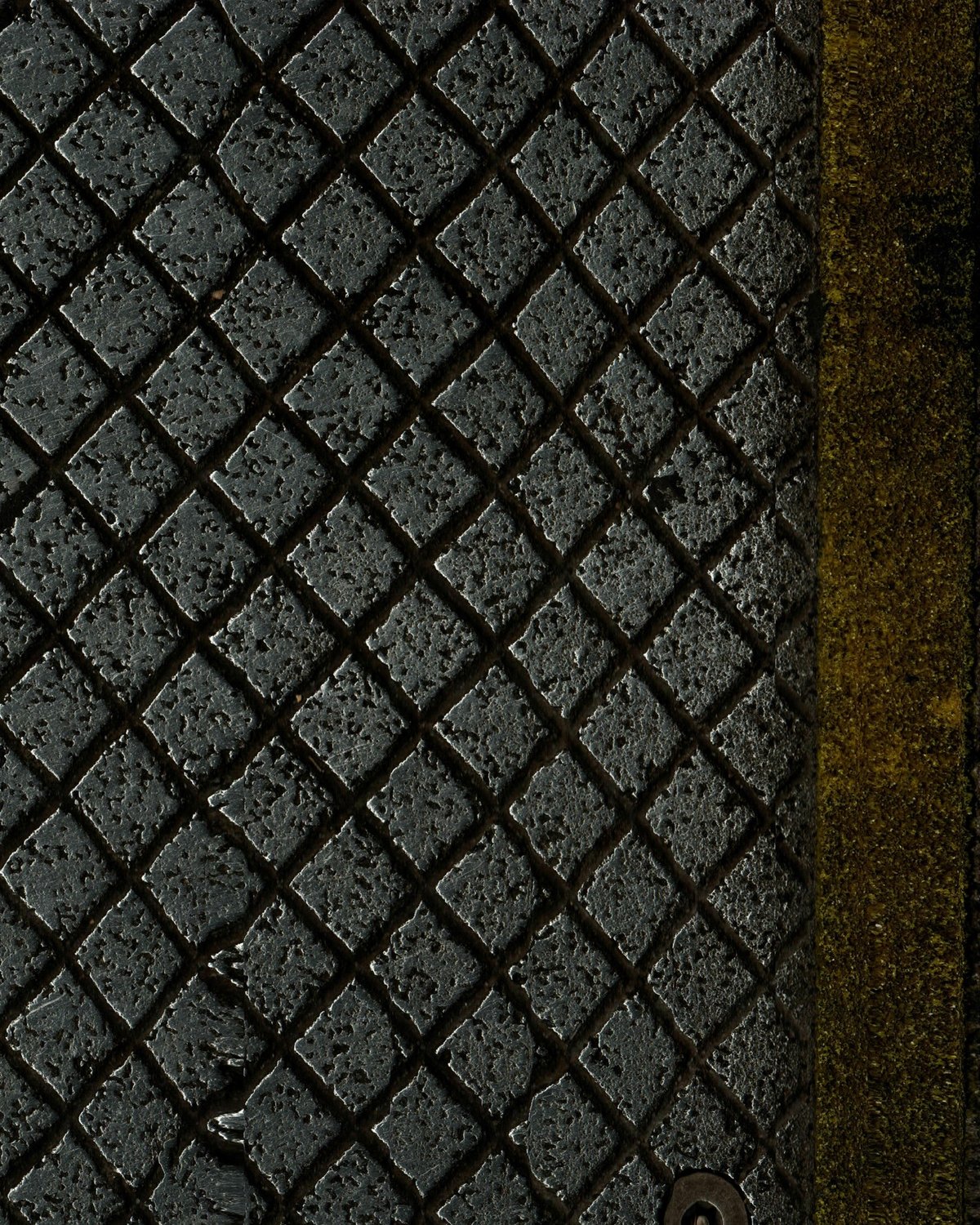
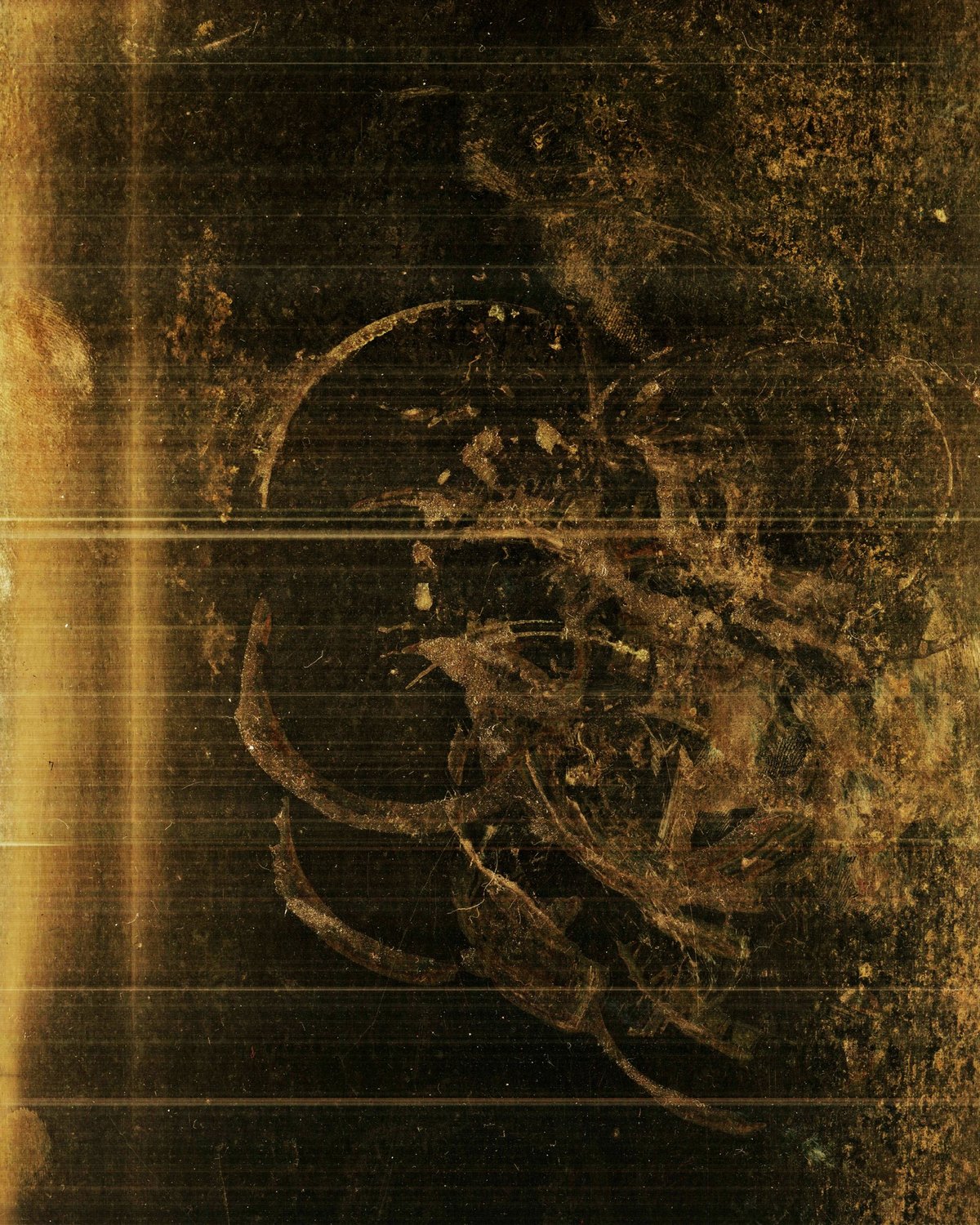
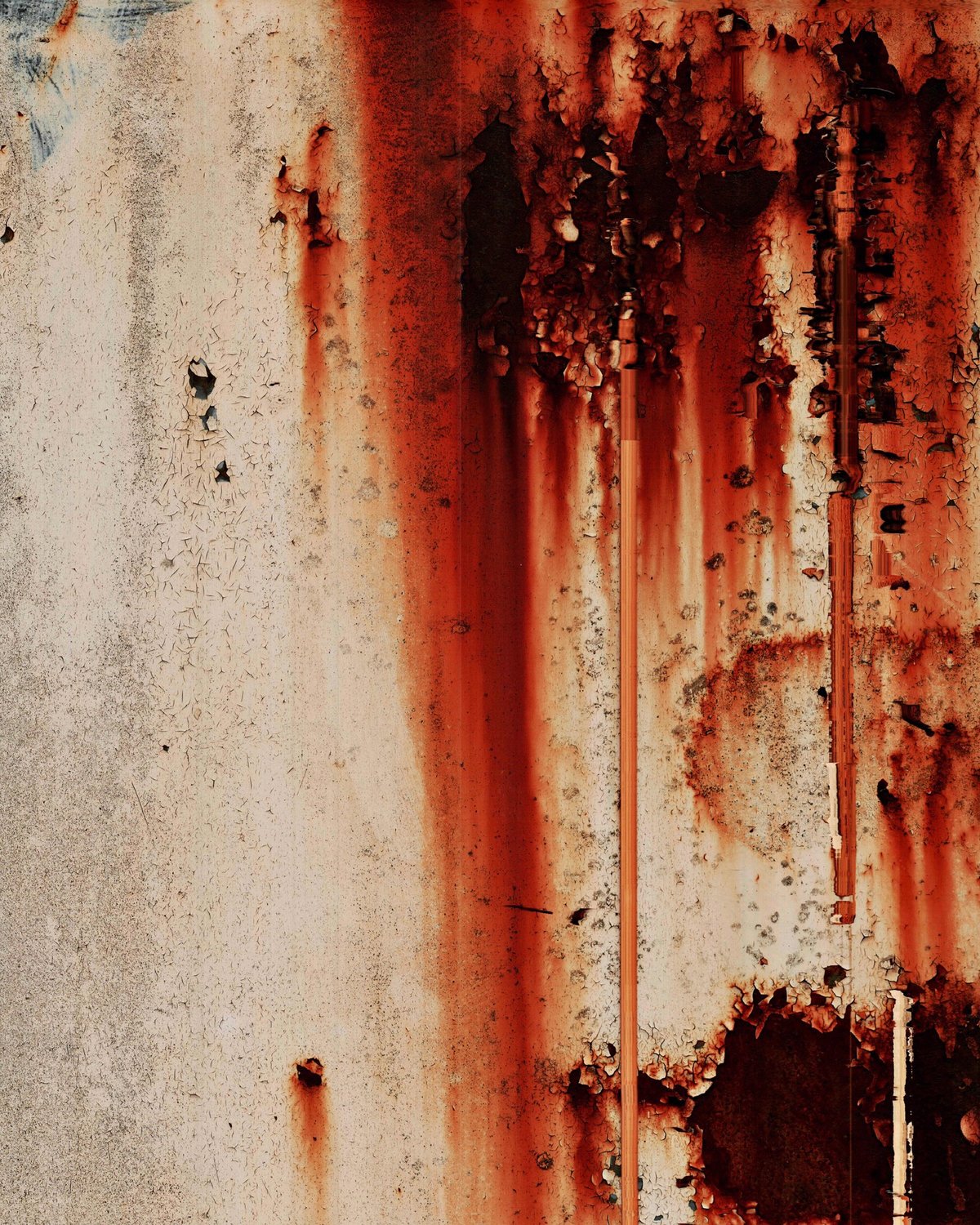
Using a handheld scanner, designer/illustrator Noah Nolet captures textures from surfaces in cities around the world, including Tokyo, LA, Paris, Kyoto, NYC, and Berlin. On his website, he offers city packs of hundreds of scans for sale and free sample packs as well. You can also check out how he captures the textures on Instagram and YouTube. This is a modern take on stone rubbing.
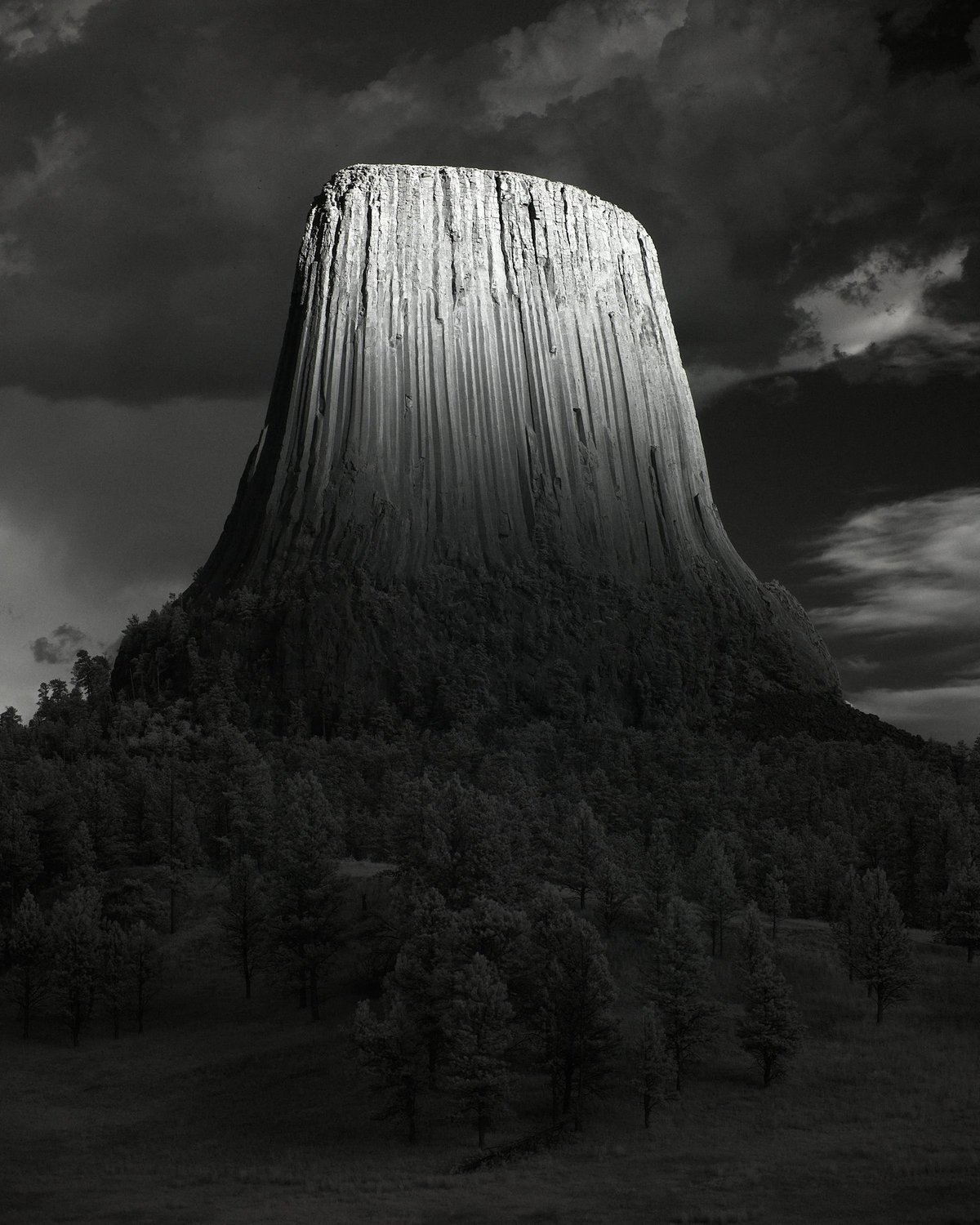
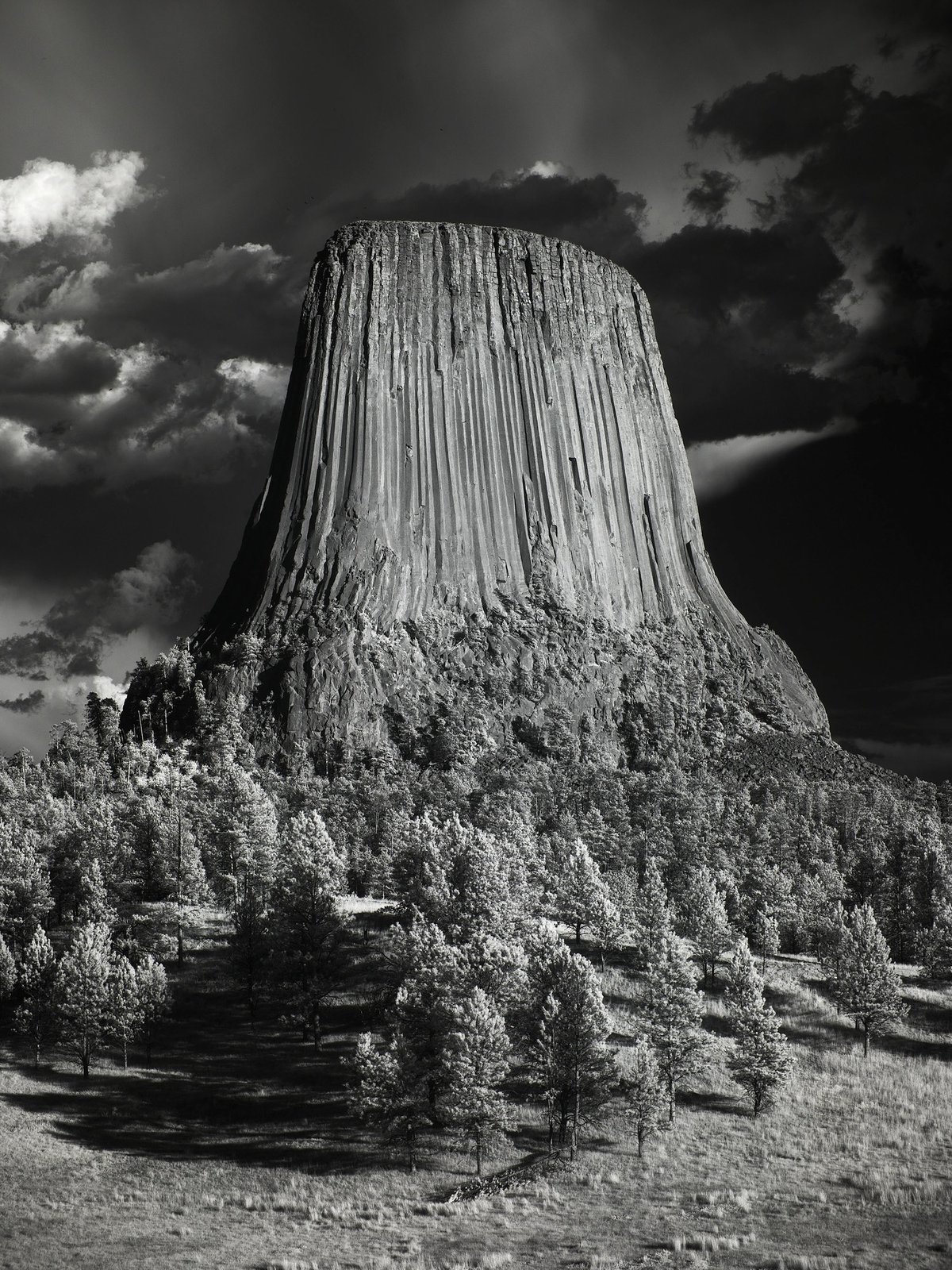
I love these black & white photos of Devils Tower by Zac Henderson.
A butte of a rare kind of volcanic rock that formed a mile underground 50 million years ago, Devil’s Tower is visible now thanks to erosion of sedimentary rock. The tower features the world’s largest known example of columnar jointing. Its massive stone columns, as much as 10 feet in diameter, formed as magma cooled and contracted, creating great stress that the rock alleviated through fracturing. The columns come in 5, 6, and 7 sided varieties.
These photographs were captured over the course of 3 days with the ultimate goal of capturing the full moon streaking behind the tower. The black and white images in this series were captured late in the day while waiting for the moon to rise. These photographs were captured in 830nm infrared and helped create intense contrast between direct sunlight and shaded regions of the image. The resulting set of photographs are a study of afternoon light and shadow on the surface of the tower.
If you ever get the chance to see Devils Tower in person, I recommend it. (via colossal)


In the 70s, photographer Langdon Clay took photos of cars parked on NYC streets at night and compiled them into a project: Cars, New York City | 1974-1976.
Using his Leica CL, Kodachrome 25, and a 40 millimeter lens, Clay traversed the streets of 1970’s Manhattan finding automobiles that paralleled their environment. The cinematic images are a result of time exposure, sodium vapor street lights, and the tenacity of youth.
Luc Sante wrote about Clay’s car photographs for the New Yorker:
One of the things that used to make America so distinctive was its cars. If you lived there, you would really have to go abroad for a while and then come back to appreciate the difference. In most countries of the world, cars were modest things, little bean-shaped units designed to take two or three people from here to there. In America, cars were real estate. They were enormous boats in which you could eat, sleep, make love, change clothes, throw parties, maintain an office, practice unlicensed dentistry—or take your six best friends out for a spin. They were a testament to America’s unlimited natural resources: oil, steel, rubber, naugahyde, and, above all, space. American cars could be so huge because the nation’s highways were endless, its city streets were wide, and there was abundant free parking everywhere you went. And that included New York City then, since most of its population took the subway.
A 2016 book featuring these images is out of print, but you can find copies for several hundred dollars. (via atlas obscura)
By taking a camera, pointing it out the window of a train, and keeping track of how fast the train is moving, you can create very wide panoramic scans of the scenery.

It’s a little more complicated than that — all the details are here — but you’re essentially using the train (or ferry) as a massive flatbed scanner.
I knew from the start that I’d need to measure the speed somehow, but I was naïvely hoping that I wouldn’t need to measure it that well and could simply fudge it. This image, however, shows that even small variations of speed matter. This was my first glimpse into how much of a pain dealing with speed would turn out to be.
I love little hacky projects like these.

Father Country I Do Love You sounds like a doozy of a new exhibition from photographer Taryn Simon. The project focuses on the life and work of an unnamed, retired FBI agent. From the NY Times: She Spent Years on a Giant Project About One Man. The Result Is Monumental.
As it turned out, his work had touched many catastrophes of American life — the 1996 crash of TWA Flight 800, for example, which the agent helped to inspect, or the attack on the Pentagon on 9/11, when the agent was in charge of sifting debris in the immediate aftermath — and also lesser-known events, historical footnotes that were nonetheless telling. What interested Simon were not just the events themselves, but also their reverberations, far beyond any immediate blast radius. What happened, for instance, to the physical ruins from the TWA crash? What became of the woman who tried to take a photograph of the smoldering Pentagon, whose film the F.B.I. agent had confiscated? Or to the Iraqi diplomat who ran the country’s U.S. embassy during the Persian Gulf war, whom the agent had monitored? Or to the child of a couple accused of being Russian spies, whose house the agent had raided?
The piece describes the project, which includes over 1000 photographs and other material, as “a Great American Novel in visual form” and “huge and fractal: biography as butterfly effect”, which sounds fascinating.
Even Jodie Foster makes an appearance; this particular agent had trained Foster at the FBI Academy in Quantico as preparation for her role as Clarice Starling in The Silence of the Lambs.

Father Country I Do Love You debuts at the Guggenheim in NYC on September 18 and runs through March 14, 2027.
Portuguese photographer Rui Santos captured this shot of the recent solar eclipse.

Stunning. Here’s what makes this shot look a little different from other eclipse photos; from APOD:
Usually the solar corona appears white, and to some observers the corona of last week’s total solar eclipse did appear this pearly color. But this time, totality observers in Spain saw a corona that appeared unusually golden. For one reason, from Spain, the totality occurred when the setting Sun was near the horizon. That low, sunlight travels through a large amount of air which scatters out blue light. An unusual amount of smoke in the air from nearby forest fires acted as a second filter, further scattering the remaining blue tones and deepening the already gold-dominated light.
Using high-definition open source videos and photos from NASA and his own music, John Boswell (aka Melodysheep) created this mesmerizing eight-minute video recap of the Artemis II mission that enchanted us all back in the spring. Like all of his videos I’ve featured on KDO, this one is really well done.
See also Animated Artemis II Photos Reveal Satellites Buzzing Around Earth and Stunning Artemis II Phone Wallpapers. (via colossal)

Volcanologist Laszlo Kestay took this photo of a lava skylight in 1996 while conducting field work at Kīlauea on Hawaiʻi. The hardened lava flows strongly resemble doomed souls being sucked into hell or the damned escaping the underworld.
These have to be some of the most remarkable sports photos of all time: a 20-year-old Lionel Messi bathing a five-month-old Lamine Yamal.



Two of the best football players in the world, one a Barcelona legend and another a Barca legend in the making. Both came up through the ranks of the club’s La Masia youth academy. Both wore number 19 for Barca before switching to the number 10. And if Argentina can advance past England in this afternoon’s semifinal match, the two will face each other in the World Cup final on Sunday. It’s like if there was a photo of Muhammad Ali holding Mike Tyson as a baby. Remarkable.
And the way the photos happened is completely random; Yamal’s family didn’t have footballing connections or anything like that. The photos were taken by photographer Joan Monfort in 2007 for a UNICEF fundraiser (UNICEF was the jersey “sponsor” for Barca’s 2007-2008 season).
“UNICEF did a raffle in the neighbourhood of Roca Fonda in Mataro where Lamine’s family lived,” said Monfort. “They signed up for the raffle to have their picture taken at the Camp Nou with a Barca player. And they won the raffle.”
“He [Messi] didn’t even know how to hold him at first,” Monfort said, recalling the difficulties of the shoot. “Messi is a pretty introverted guy, he’s shy. He was coming out of the locker room and suddenly he finds himself in another locker room with a plastic tub full of water and a baby in it. It was complicated.”
More from Monfort in The Athletic:
“It’s the most famous photo I’ve taken in my life, by a long way. So many people have been interested, again during this World Cup now. If Lamine keeps growing like he is growing, the photo will be even more historic. The chances of all this happening was like winning the lottery. Although it’s not sorted me out financially for life (laughs).
“I’m just really happy it happened. It’s especially nice in today’s football, when so much is to do with money and power.”
The best aerial photography reminds us that we don’t have to go all the way to space to experience a small helping of the overview effect. The 2026 Aerial Photographer of the Year contest celebrates the best photos taken from the air; here are a few of my favorites:


Photo credits:
- Paweł Jagiełło, Ak-Say Canyon, Kyrgyzstan.
- Azim Khan Ronnie, a rowing team in Switzerland.
- Chin Leong Teo, the Park Royal Hotel, Singapore.
- Azim Khan Ronnie, workers harvesting/drying red chili peppers, Bangladesh.
- Savadmon Avalachamveettil, the Kumbh Mela pilgrimage crowd, India.
- Marcin Zając, Golden Gate Bridge, San Francisco.
- Chin Leong Teo, crosswalk in Tokyo.
- Daniel Viñé Garcia, Cono de Arita, Argentina.
You can see more photos from the winning photographers at the contest’s website, Colossal, PetaPixel, and DIY Photography. (via colossal)
Rockwood, Texas is home to a unique business, Starfront Observatories. Owner/operator Bray Falls hosts hundreds of other people’s telescopes in perfect conditions — ultra-dark skies (Class 1 on the Bortle scale), clear weather, and fast internet — so astrophotographers from around the world can run their scopes and make observations completely from their computers.
Out in the middle of nowhere Texas, a young astrophotographer is running one of the largest telescope ranches on Earth. Stargazers from around the world ship their gear to Bray Falls, who tends 550 telescopes (and counting) on 40 acres outside Brady, the geographic heart of Texas. Customers control the scopes from a laptop anywhere on the planet for as little as 99 dollars a month. We dropped by Starfront Observatories on a perfect dark sky night to see how the operation actually works.
I first learned about telescope ranching late last year from astrophotographer Ian Lauer; he’s got a good video about Starfront Observatories as well:
The imagery produced by the telescopes on this ranch is impressive. Here’s one of Falls’ own images, a nebula he discovered called The Crown of Thorns Nebula.
I’ll start this off by saying this nebula should not be here! Supernova remnants are the remains of stars which detonated long ago. Nearly all supernova remnants in the sky exist within 10° of the Milky Way band, where the greatest density of stars can be seen.
This remnant lives 42° off the beaten path in VIRGO! It is a remnant that stands alone surrounded by nothing. It is the only supernova remnant in the constellation Virgo.
It is so far from where it should be, that my scientist friend Dr. Robert Fesen has doubts that it could be what we think it is, and so a professional observatory has collected data on the object and is now studying it.
Yesterday, Ollie and I hiked up to Delta Lake (via Lupine Meadows Access) in Grand Teton National Park. It was perhaps a bit aggressive given my current lack of fitness, my non-acclimation to the altitude (we topped out at 9000’), and the rock scrambling we had to do near the top, but we were rewarded with one of the best views I’ve ever seen.

That’s the Grand Teton (13,775’) in the background. The lake was so enchantingly blue…the photos don’t do it justice. I shared a few more photos from the hike on Instagram.


For his project Windows, Dave Krugman took photos of hundreds of NYC apartment windows at night and stitched them together into ever-shifting typologies. What’s going on in each of those apartments?
Ok, this is incredible: this person on Reddit discovered that if you take a bunch of the sequential photos of the Earth captured by the Artemis II crew and animate them, you can see that some of what appear to be stars are actually satellites, buzzing around the Earth like flies. You can see them really clearly in Seán Doran’s remastered animation. Totally totally gobsmacking. Literally awesome.

An amazing capture of galaxy Messier 104, aka the Sombrero Galaxy, by the 570-megapixel Dark Energy Camera mounted on a Chilean observatory.
The Sombrero galaxy (Messier 104) is a galactic masterpiece that captivates scientists and astronomy enthusiasts alike. Its intricate system of globular star clusters lends insight into stellar populations, and astronomers are intrigued by the supermassive black hole at its center. Its distinctive visual features and relative brightness make it a favorite among amateur astronomers. The fascinating story of its discovery, involving three esteemed astronomers, has earned it a spot on one of the most important lists of deep sky objects. Today, it stands as one of the most iconic galaxies in the night sky.
If you want the full image, you can download the 725 MB file from the project’s site. (via petapixel)


I’ve never seen anything like these photos before. In October 2024, Rachel Moore had a close encounter with a humpback whale in French Polynesia and took these photos of the whale’s eye. Moore wrote of the experience:
This moment of eye contact was beyond my wildest dreams. I’ve never encountered a whale like this one, and it was the most profoundly beautiful experience of my life.
Tragically, just a few days later, the whale was dead; she drowned after being struck by a boat. Moore’s photos and experience galvanized an effort to regulate a slow zone for large boats in French Polynesia during whale migration season, which became law late last year:
French Polynesia has just passed new speed regulations to better protect humpbacks during their migration. Vessels over 12 meters must now travel at 10 knots (12 knots max) within 1 nautical mile of the islands, helping prevent the kind of tragedy we never want to see again.
(via moss & fog)


I got the chance to go to the Brooklyn Botanic Garden with friends recently and it was magical, otherworldly, lovely. I think we hit peak blossom down to the second. It was cold and gray and windy, which kept the crowds down, provided the perfect photographic contrast, and made for an enchanting petal-fall.


The Bodega Cats of New York project documents the working cats of NYC’s delis, bodegas, and corner stores.
The cat at the local deli wasn’t a pet. She knew the regulars. She kept the mice out. She gave people a reason to walk an extra block. And she was technically a violation of city health code.
That was six years ago. Since then, the project has documented over 150 shops, collected 13,500 petition signatures, and helped introduce the first legislation in New York City history to classify bodega cats as working animals.
Available soon in book form.
NASA has made available more than a dozen mobile wallpapers of photos taken during the Artemis II mission for free download. Basic Apple Guy has made some wallpapers of his own (that are slightly larger than NASA’s and better for iPhones). I have also made a few of my own: Earth Rising Over the Moon With the Orion Capsule in the Foreground, A Sliver of Earth Over the Moon, and Kubrickian Earth.
Here are a few of my favorites:
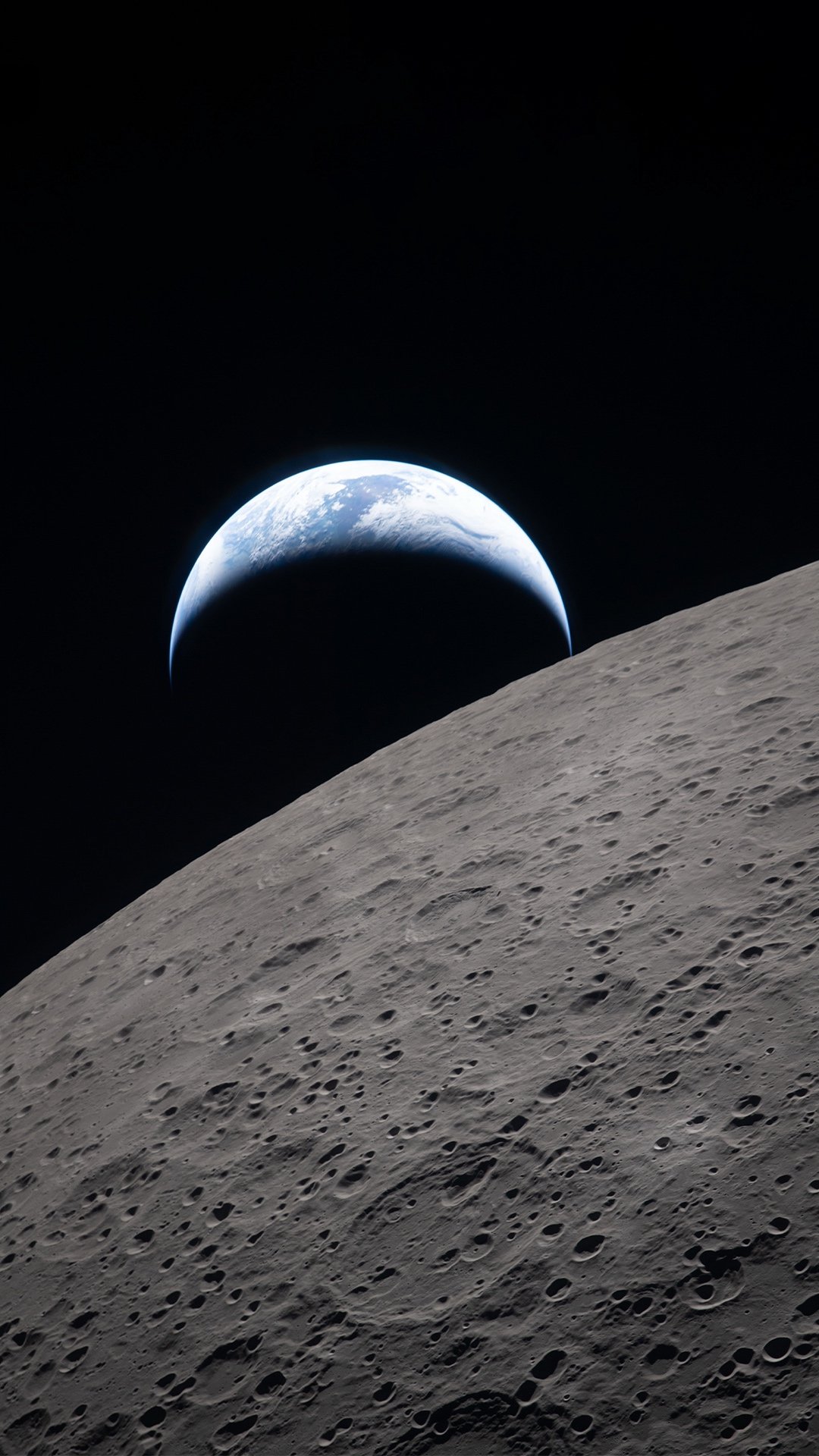
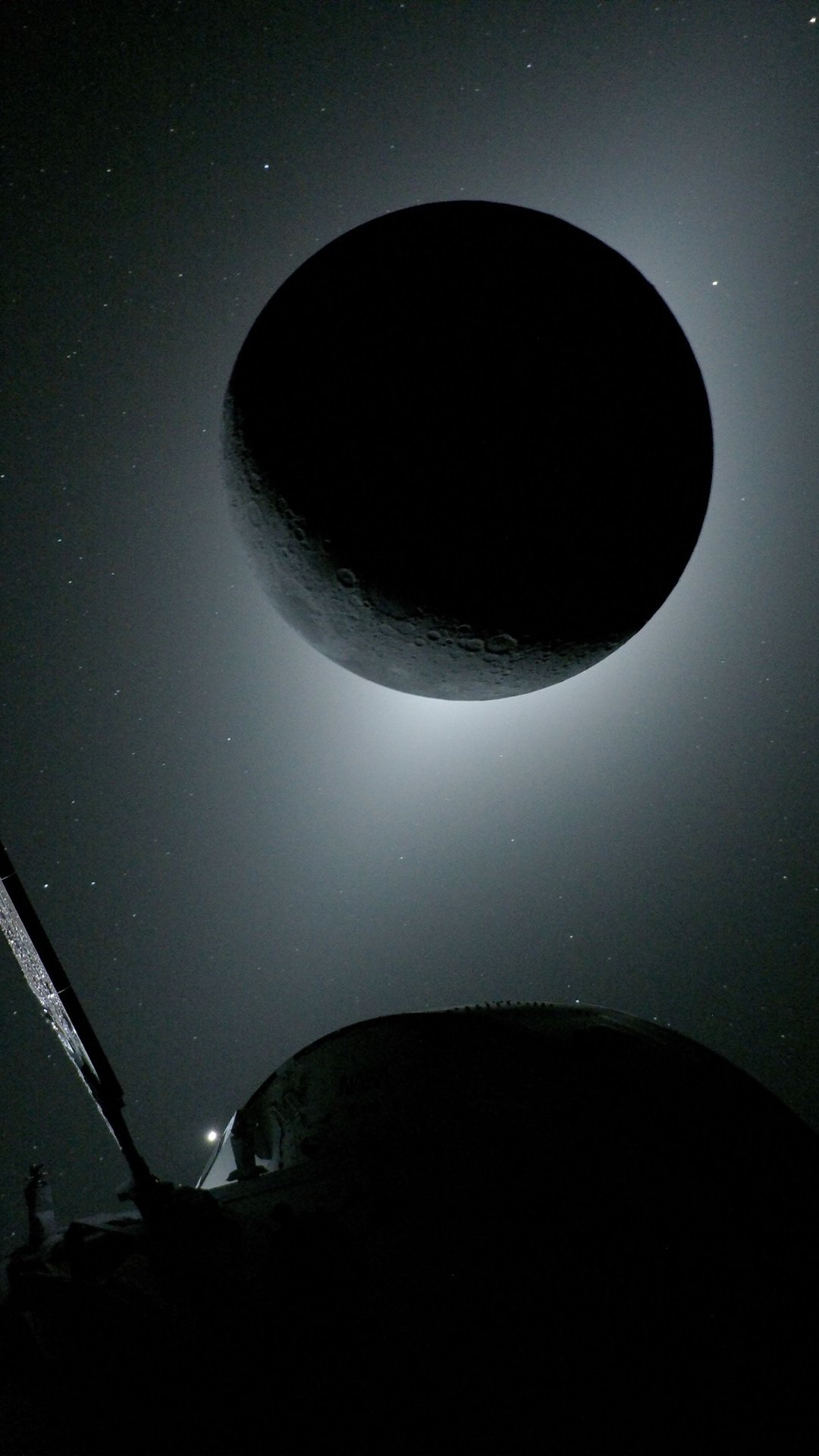
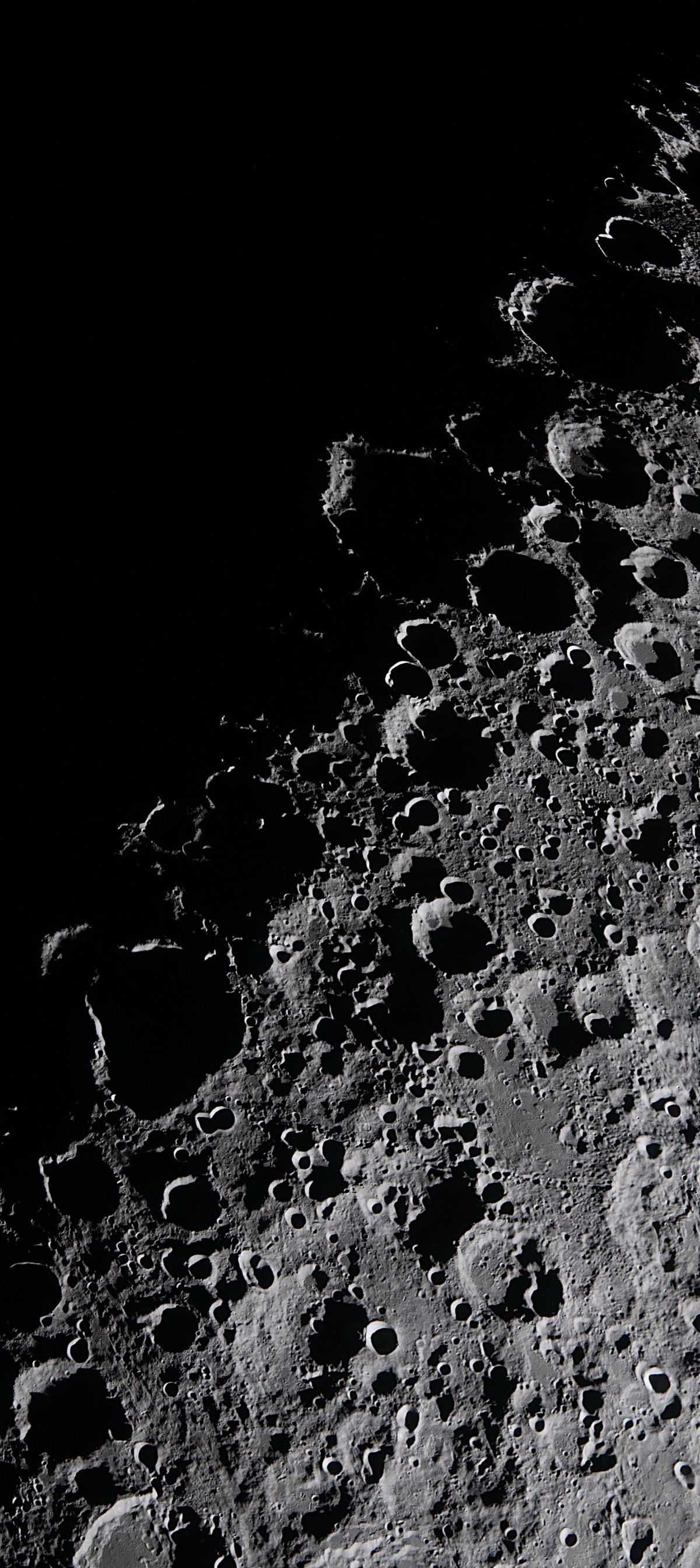
Interstitial tip: if you’re using an iPhone with iOS 26, tap the Spatial Scene button when you’re editing your wallpaper and the phone will turn any of these images into a 3D-ish scene that moves when you move your phone. Works best with images containing multiple objects (like the Earthrises). Makes you feel a little bit more like you’re there. (This is also an amazing setup.)
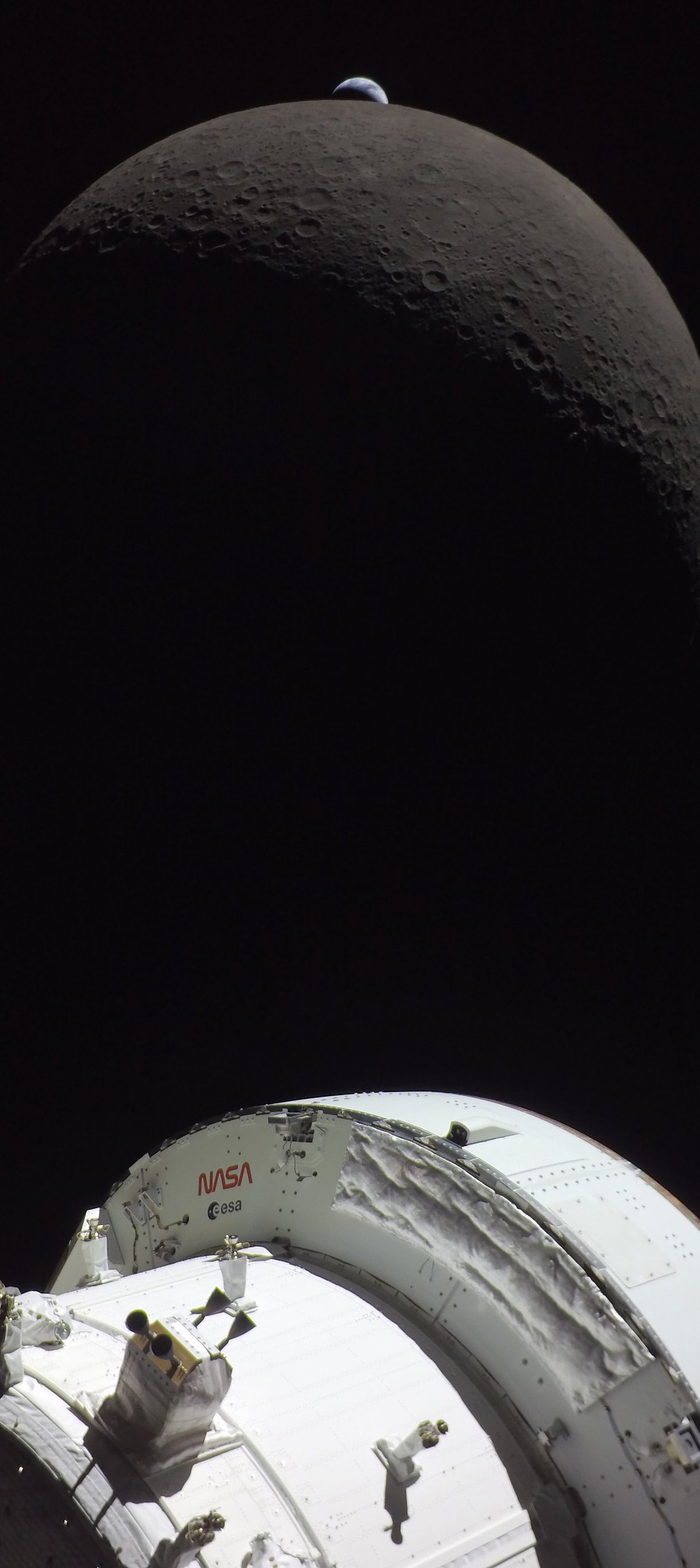
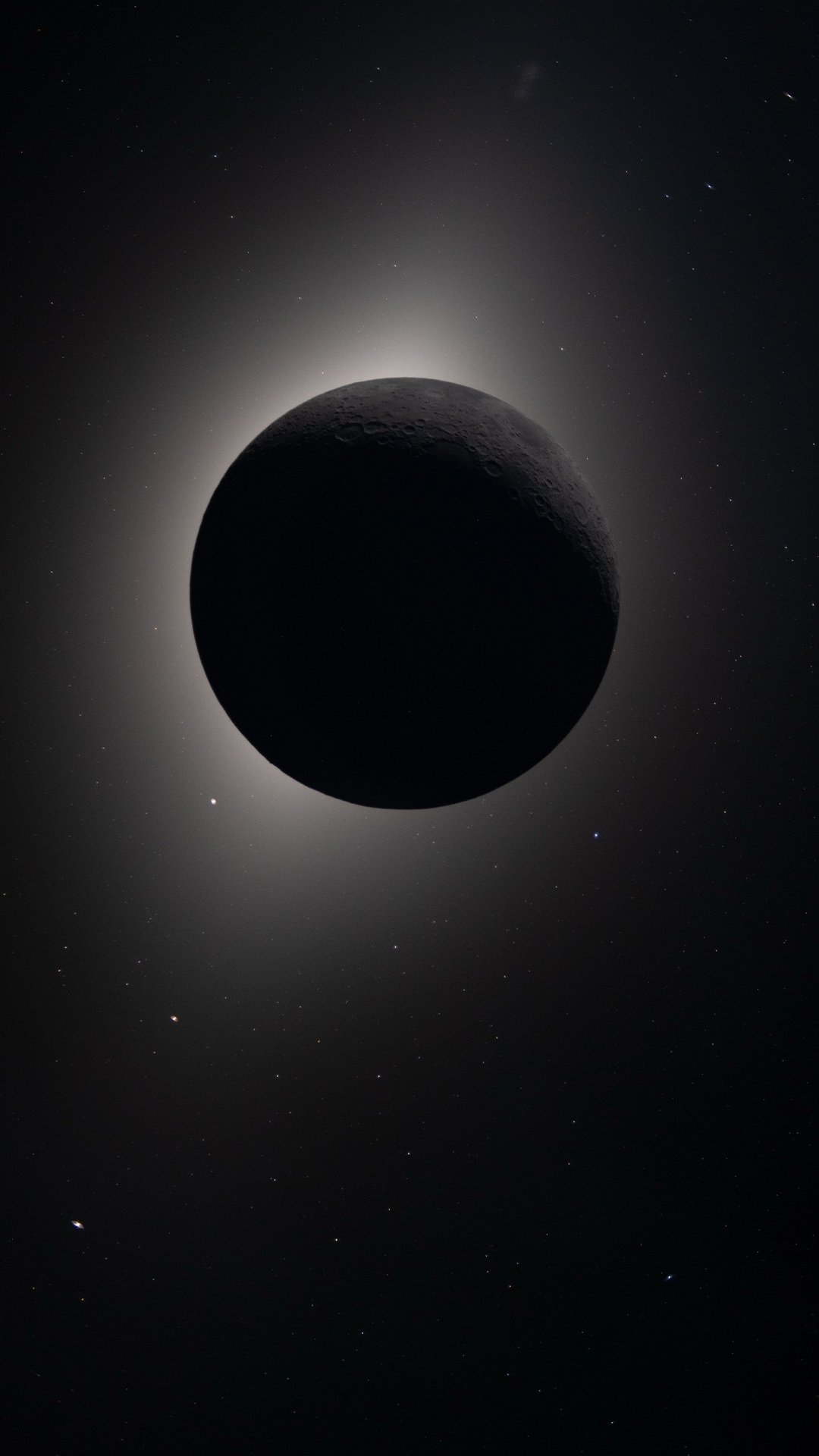
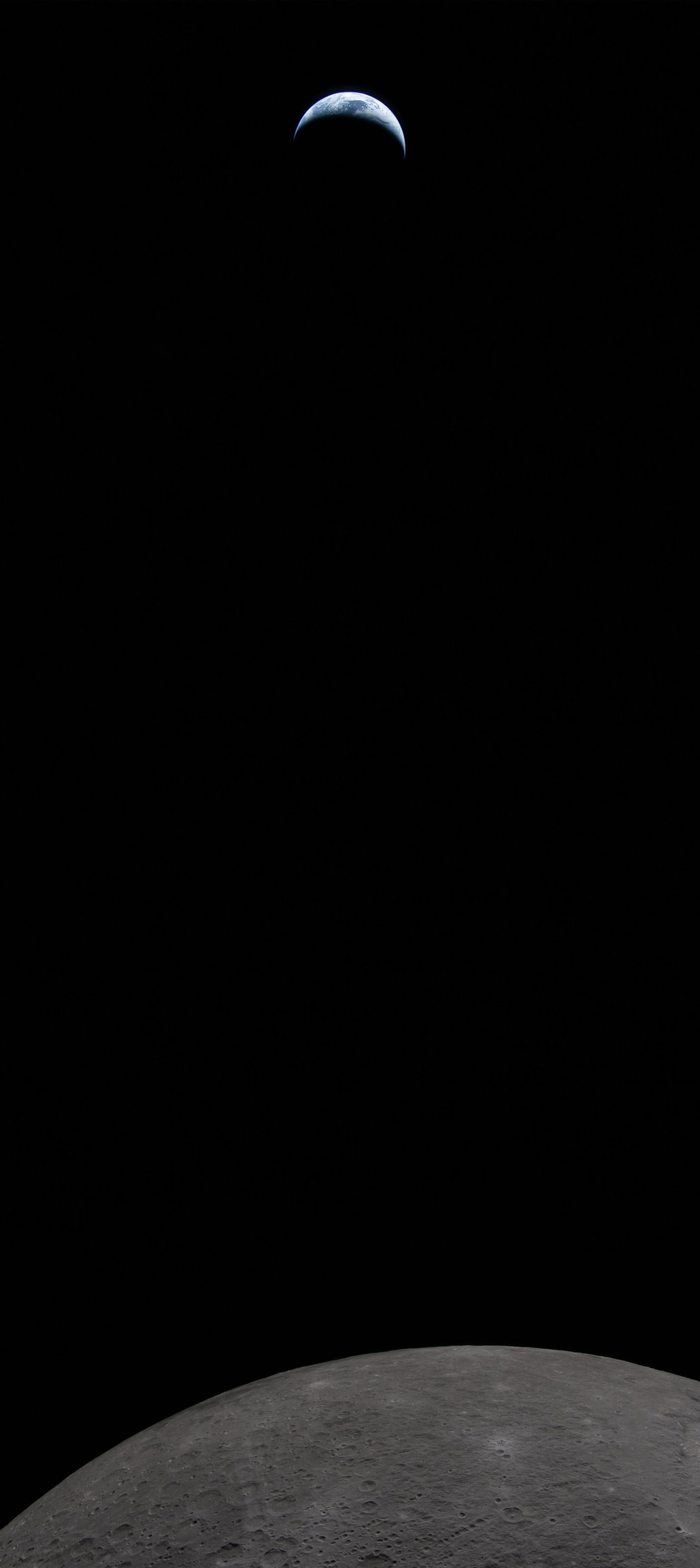
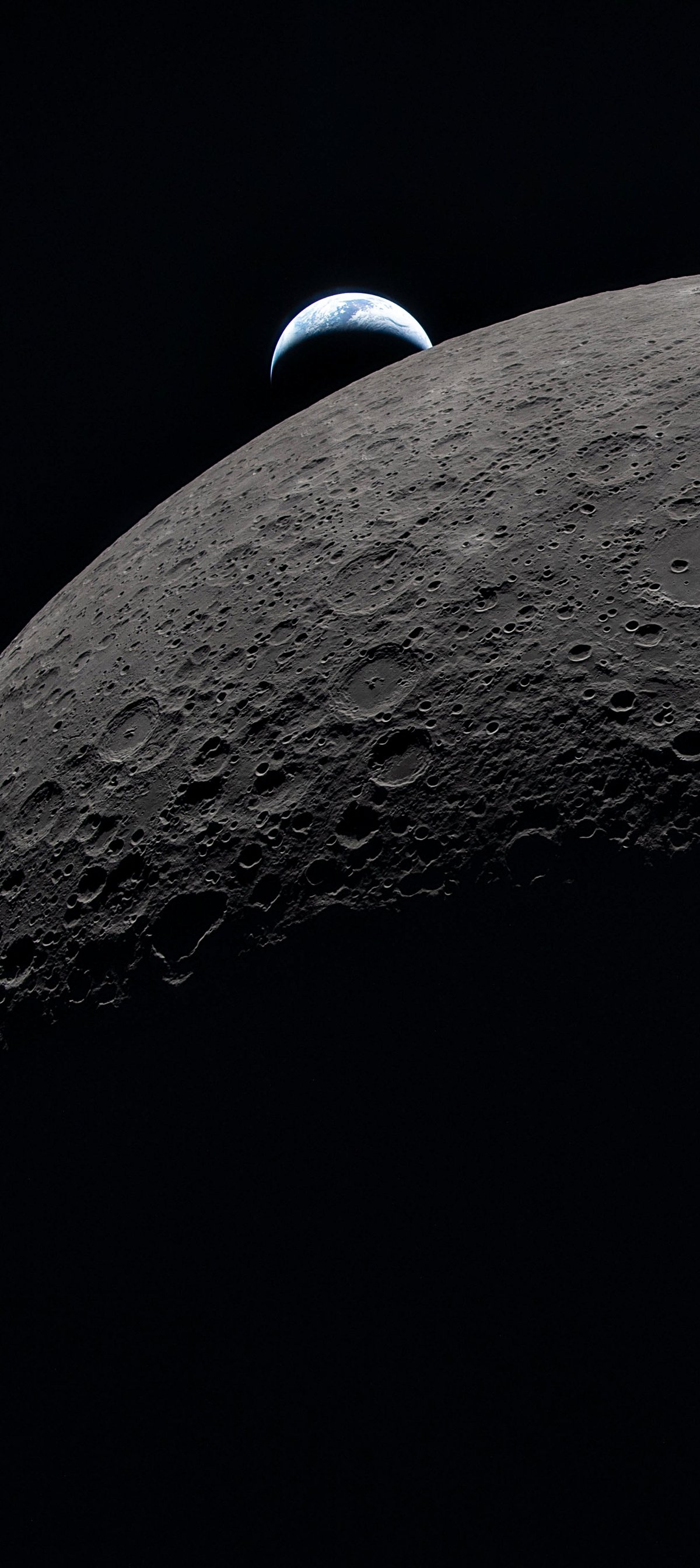
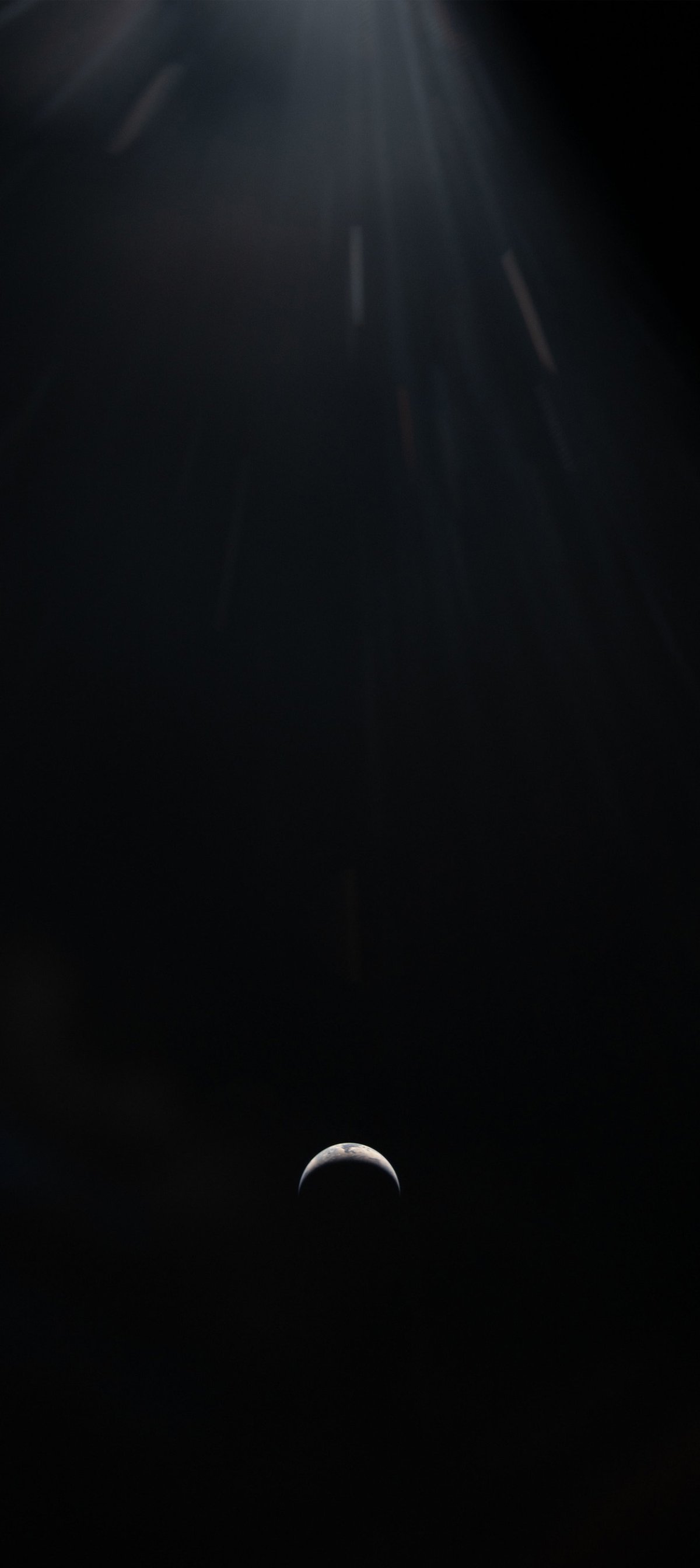
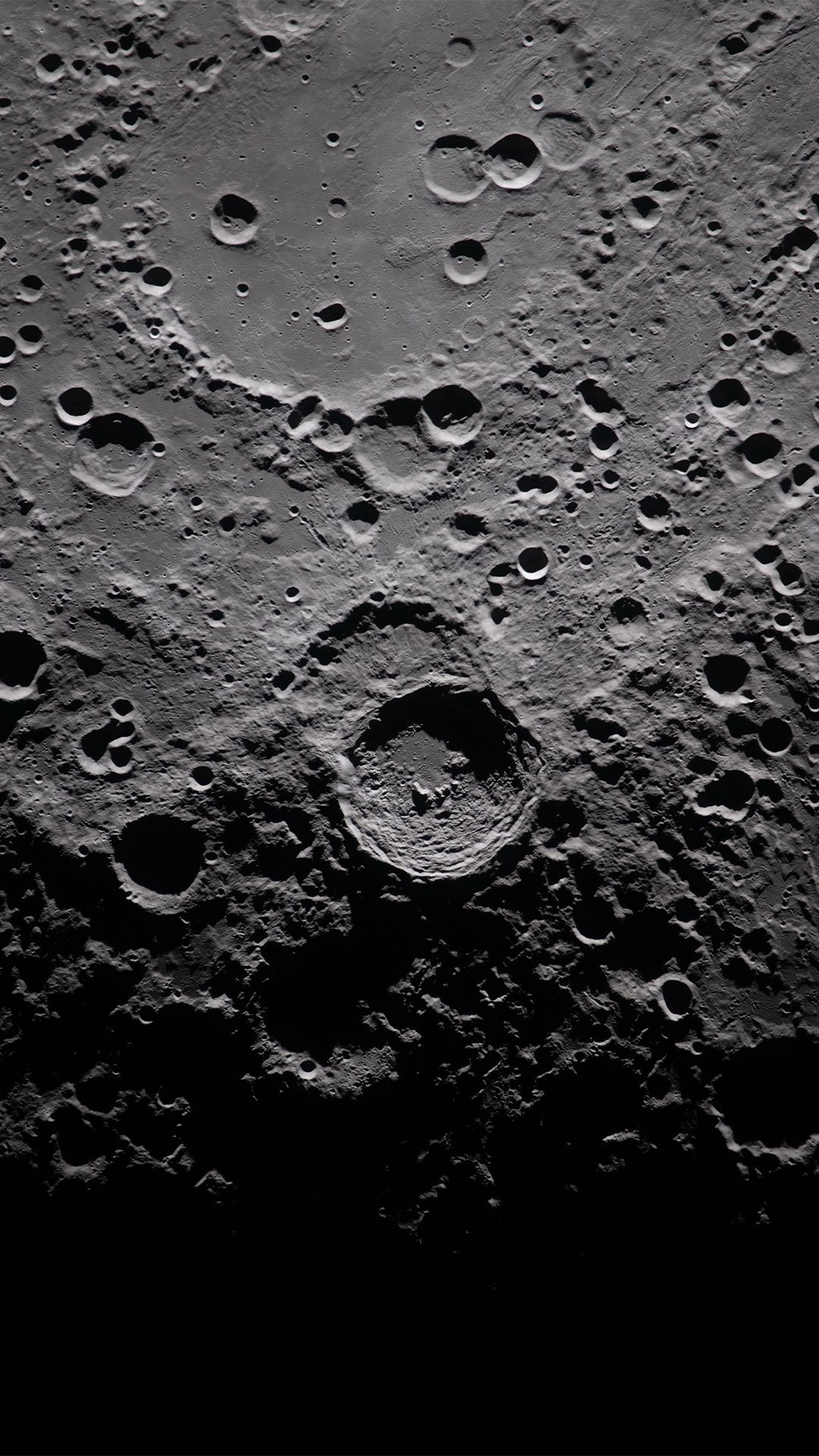
These are all real photos, cropped from the originals shared by NASA on Flickr and their website.
I also went back and looked at some of the images from the Artemis I mission, which sent an Orion capsule around the Moon without a human crew. Here are a few wallpapers made from photos from that mission: Earth Moon Capsule, Lens Flare Trio, and Lunar Surface.
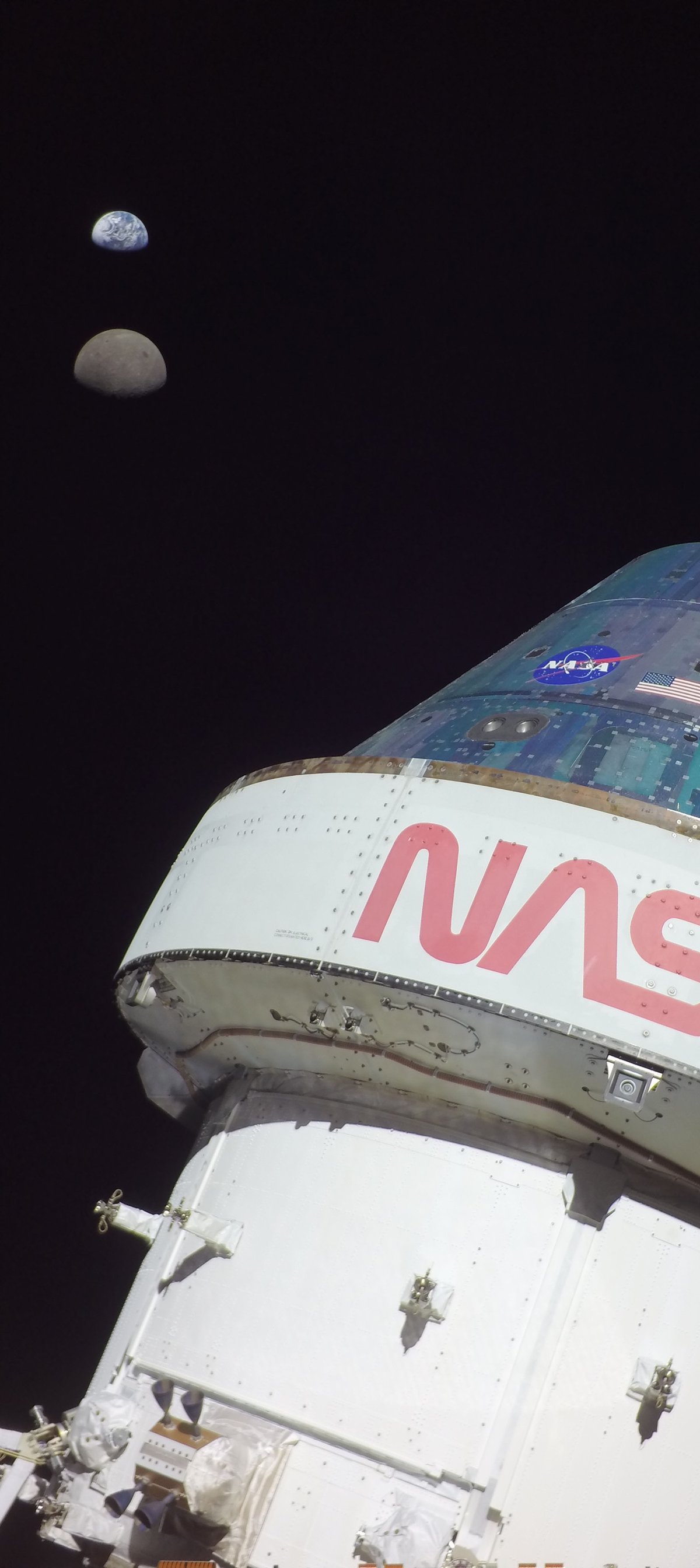
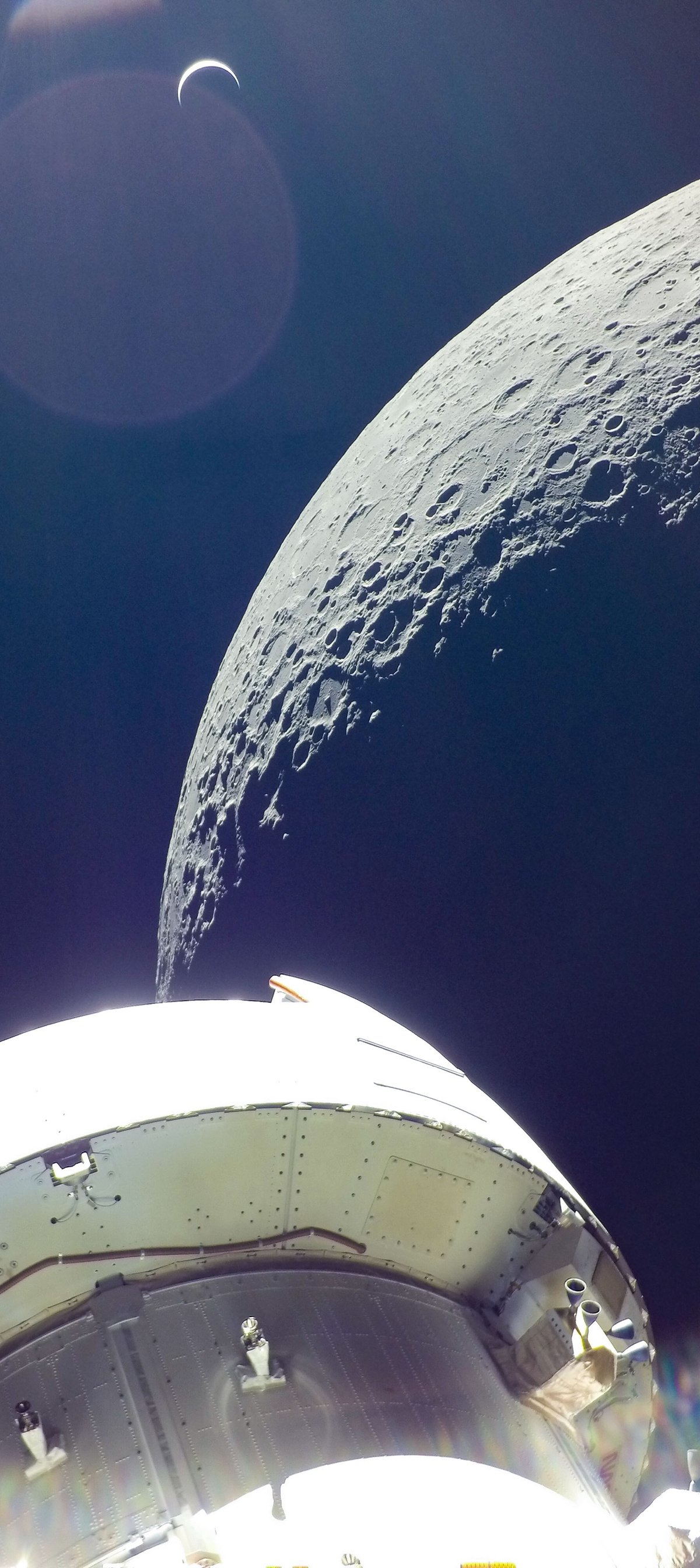
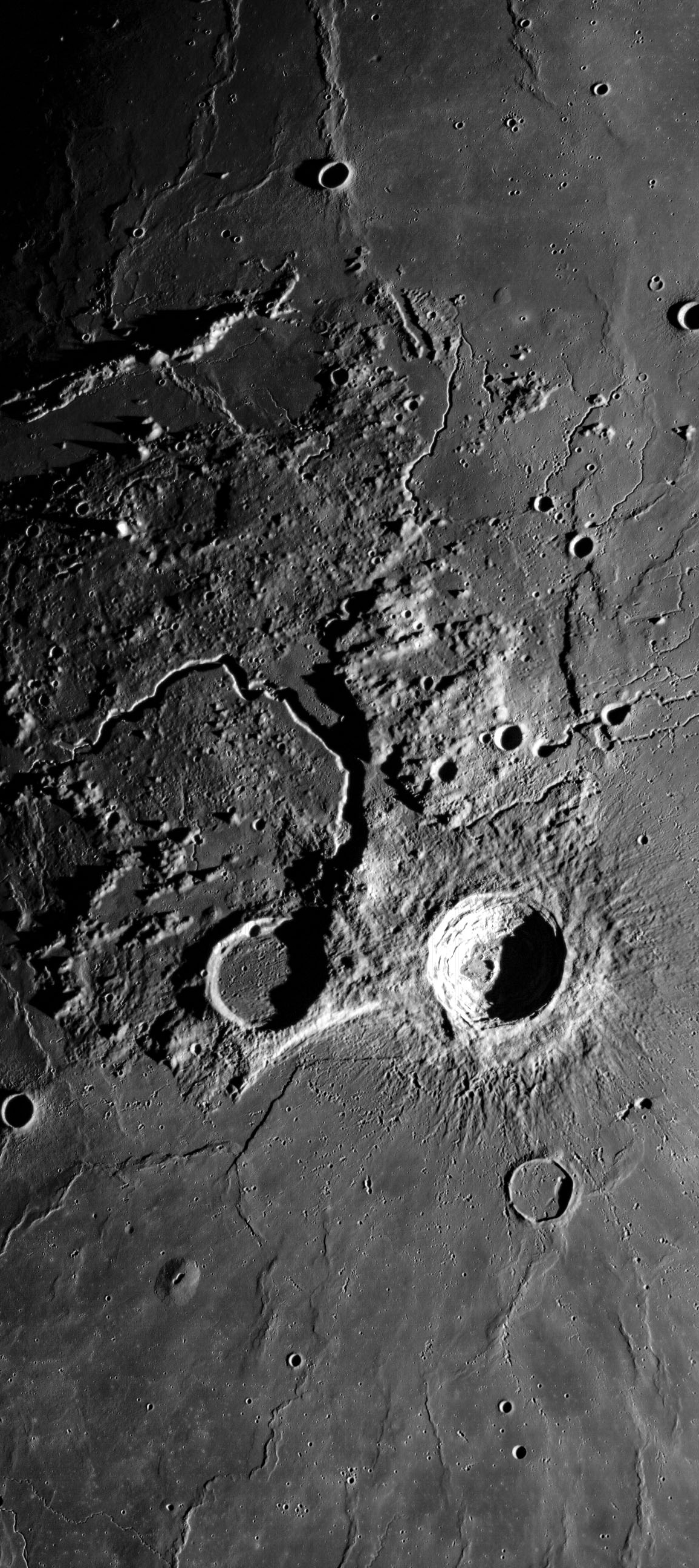
Again, these three are from the Artemis I mission in late 2022. The first one works especially well with the Spatial Scene mode on iOS 26.
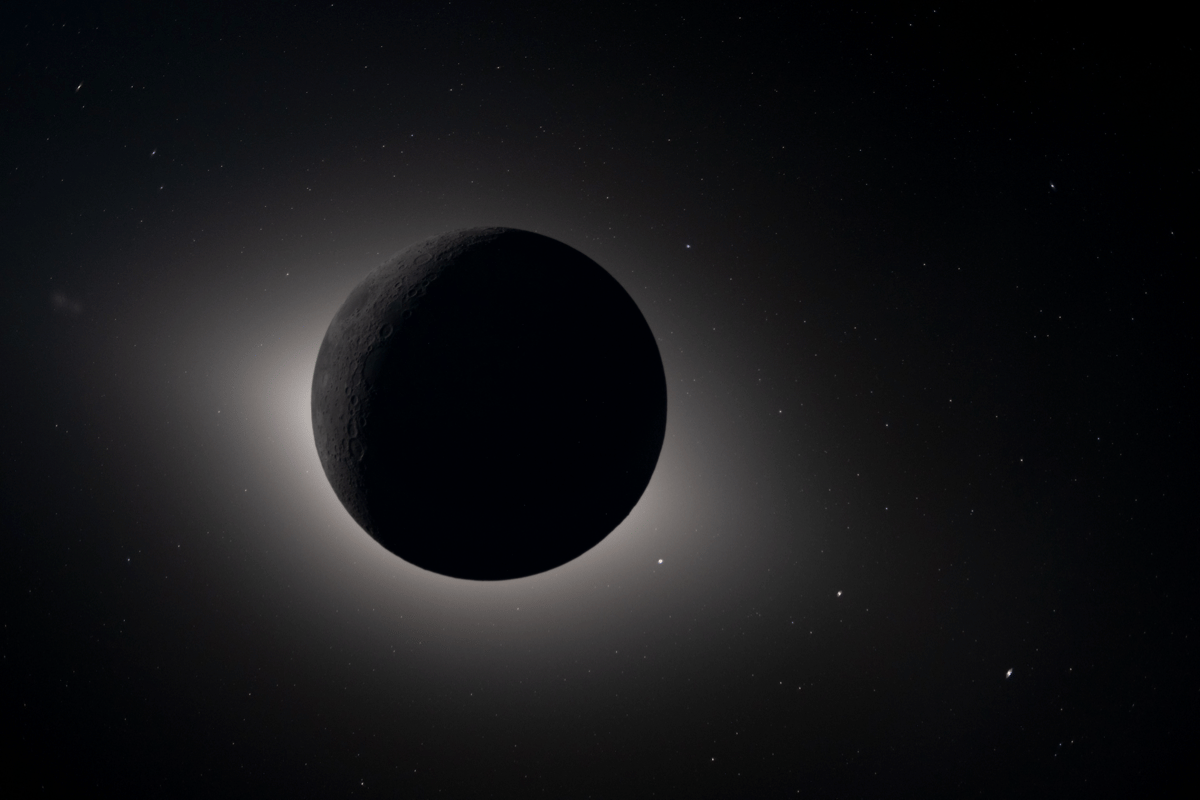
This shot from Artemis II of the Moon eclipsing the Sun is one of the most breathtaking astronomical photos I’ve ever seen. Holy shit.
Captured by the Artemis II crew during their lunar flyby on April 6, 2026, this image shows the Moon fully eclipsing the Sun. From the crew’s perspective, the Moon appears large enough to completely block the Sun, creating nearly 54 minutes of totality and extending the view far beyond what is possible from Earth.
Thanks to KDO reader Scott for pointing me to NASA’s Flickr account, which is possibly the easiest way to look at photos taken by the Artemis II mission. Like this one:
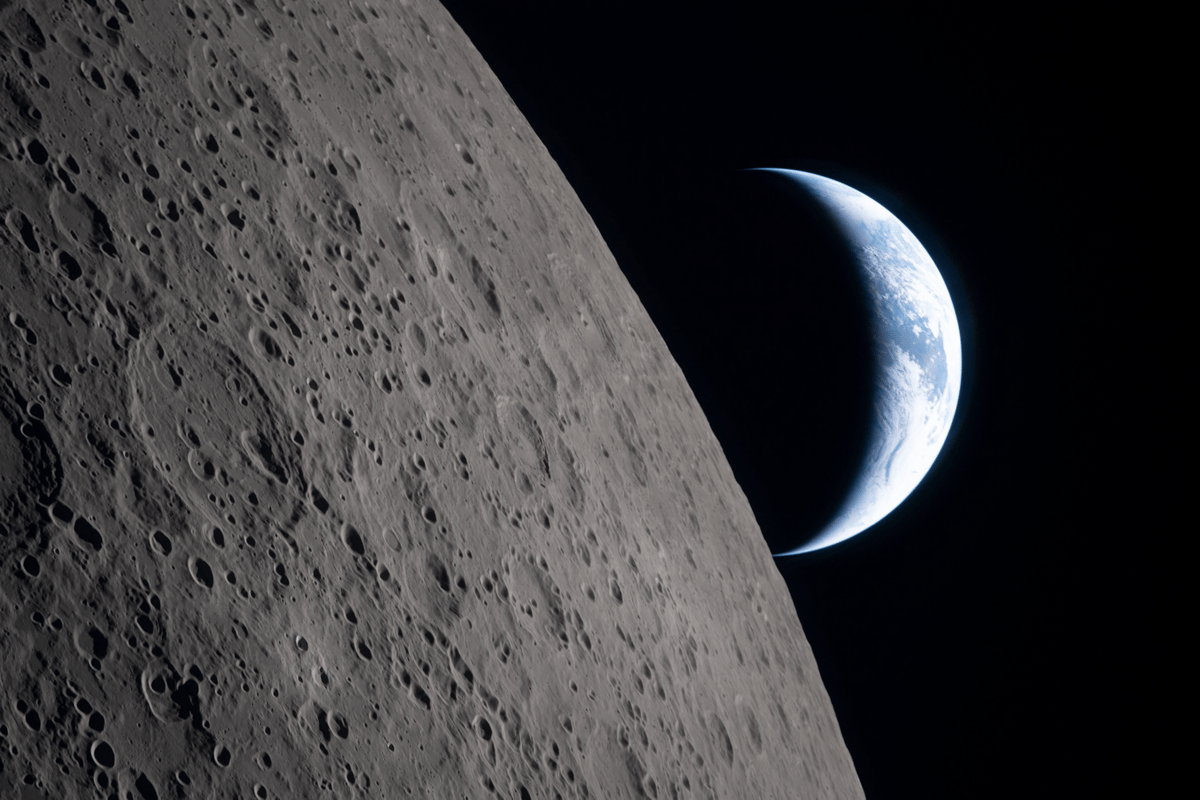
And this one — then maybe I’ll stop (maybe):
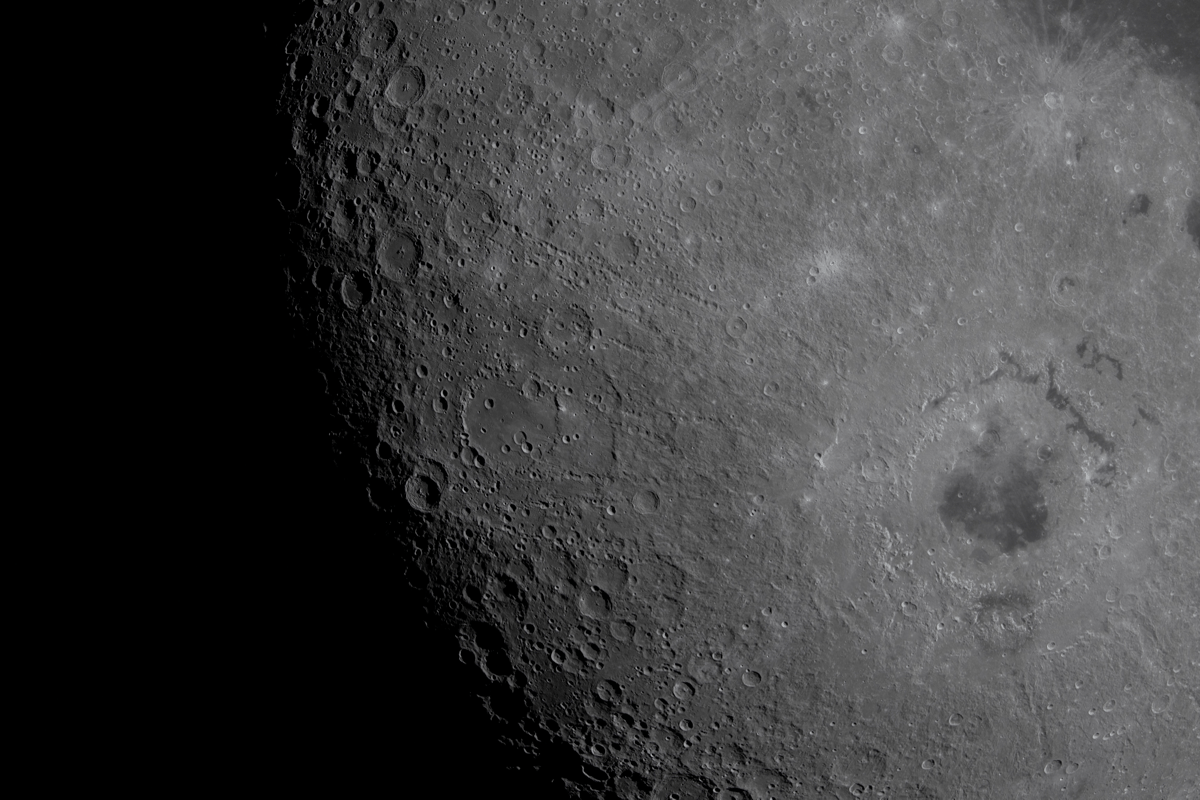
P.S. If you need some Artemis II wallpapers for your phone, right this way.
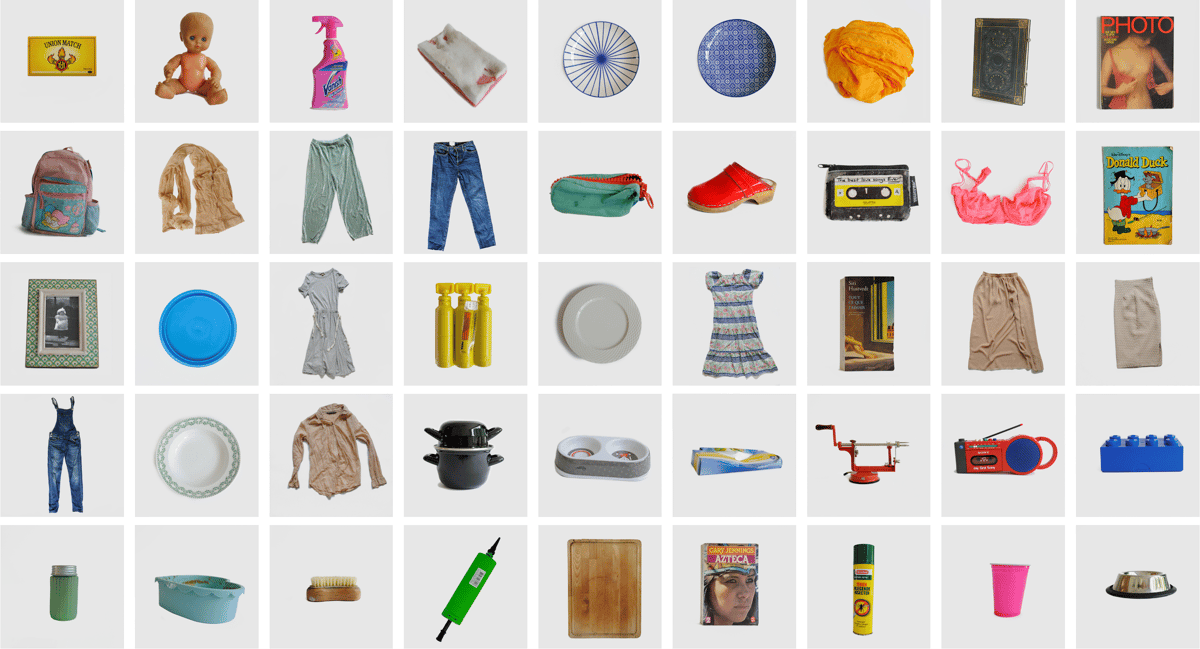
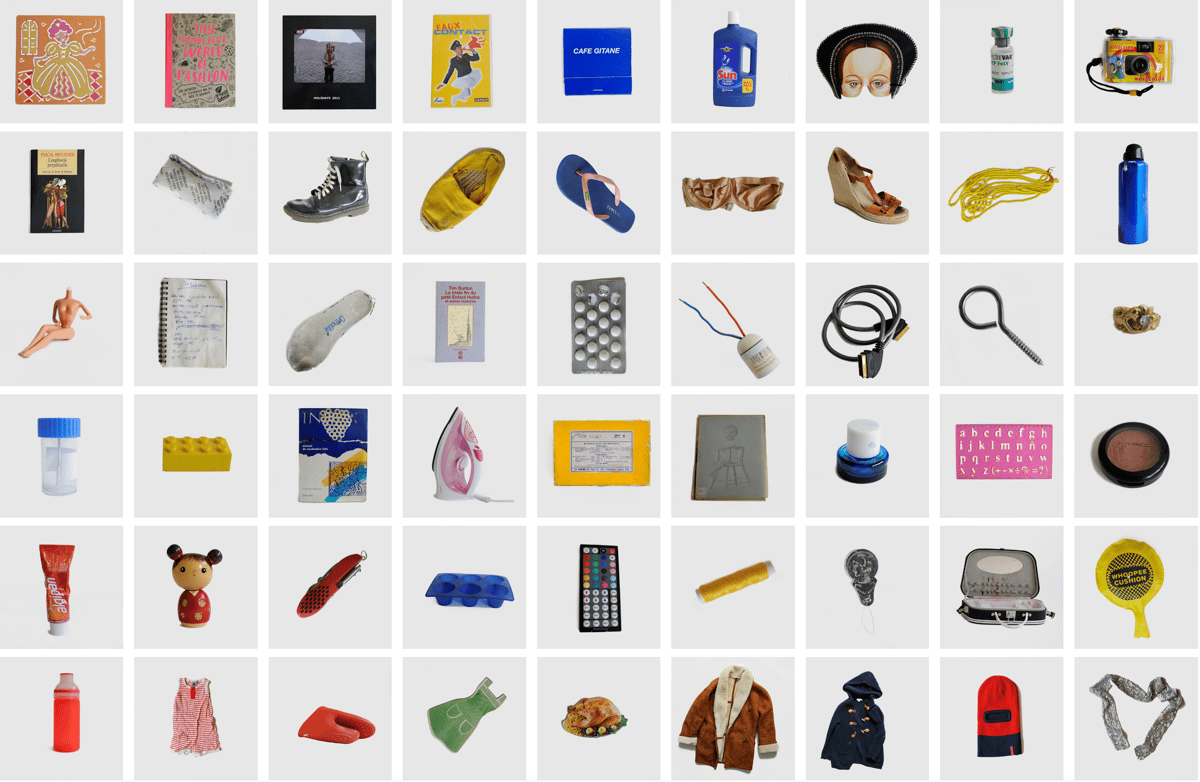
In a period of four years, Belgian photographer Barbara Iweins took a photo of every single thing in her house, “from my daughters torn sock to my sons Lego, but also my vibrator, my anxiolytics… absolutely everything. 12,795 photos of 12,795 objects.” You can explore the entire archive here, indexed and classified by color, material, frequency of use, room, and “what I would save in a fire”. (via @steveportigal.bsky.social)
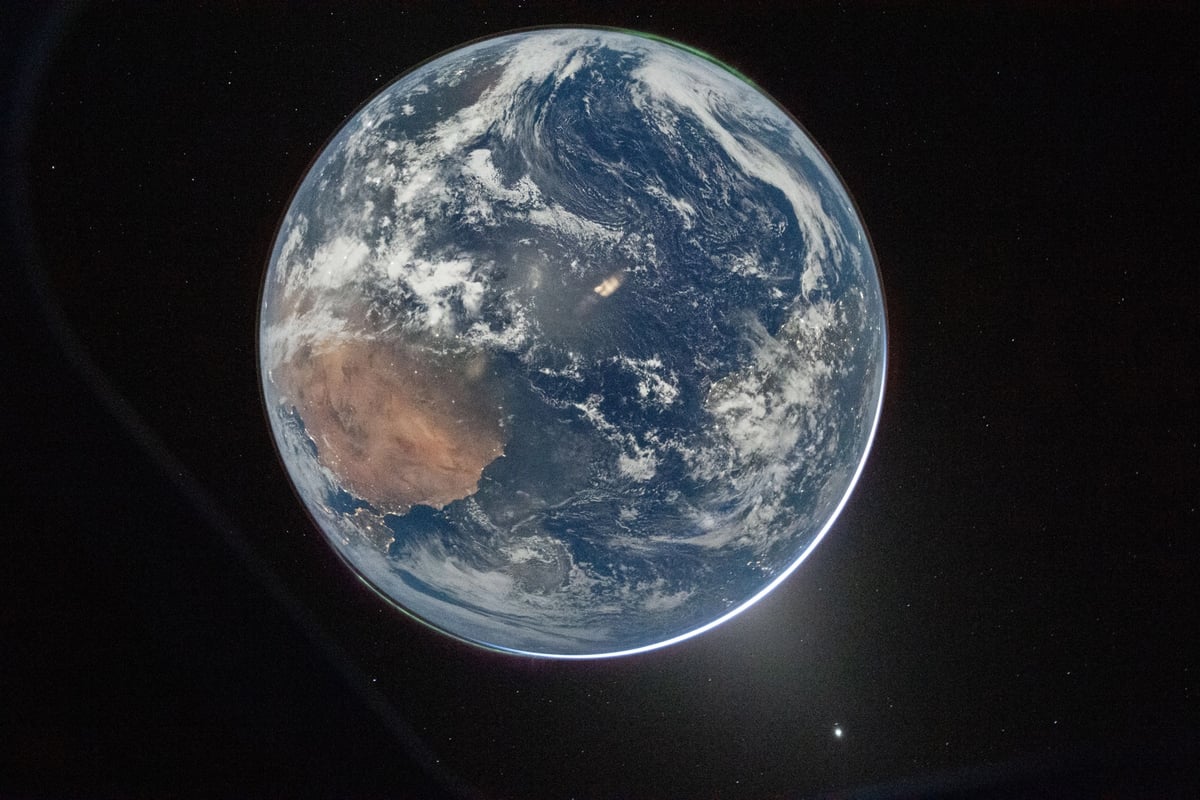
The commander of NASA’s Artemis II mission to the Moon, Reid Wiseman, took this photo of the Earth as the spacecraft speeds away our planet.
There are two auroras (top right and bottom left) and zodiacal light (bottom right) is visible as the Earth eclipses the Sun.
That is so cool. Worth clicking through to see the high-resolution image.

Photographer and drone pilot Pio Andrea Peri captured this overhead photo of a Sicilian city called Centuripe. Perched atop hilltops, the city looks like a person from above — even on Google Maps. (via daily overview)
Older posts




Socials & More