kottke.org posts about museums
In a video for the V&A Museum, stone carver Miriam Johnson hand-carves a pair of hieroglyphs “using both sunken relief and raised relief techniques”.
The video has minimal narration; mostly it’s just a master craftsperson quietly tapping away at the stone — and getting bits of rock all over the sleeve of her jumper. The effect is pretty relaxing, especially with the more rhythmic tapping for the second carving. (via the kid should see this)
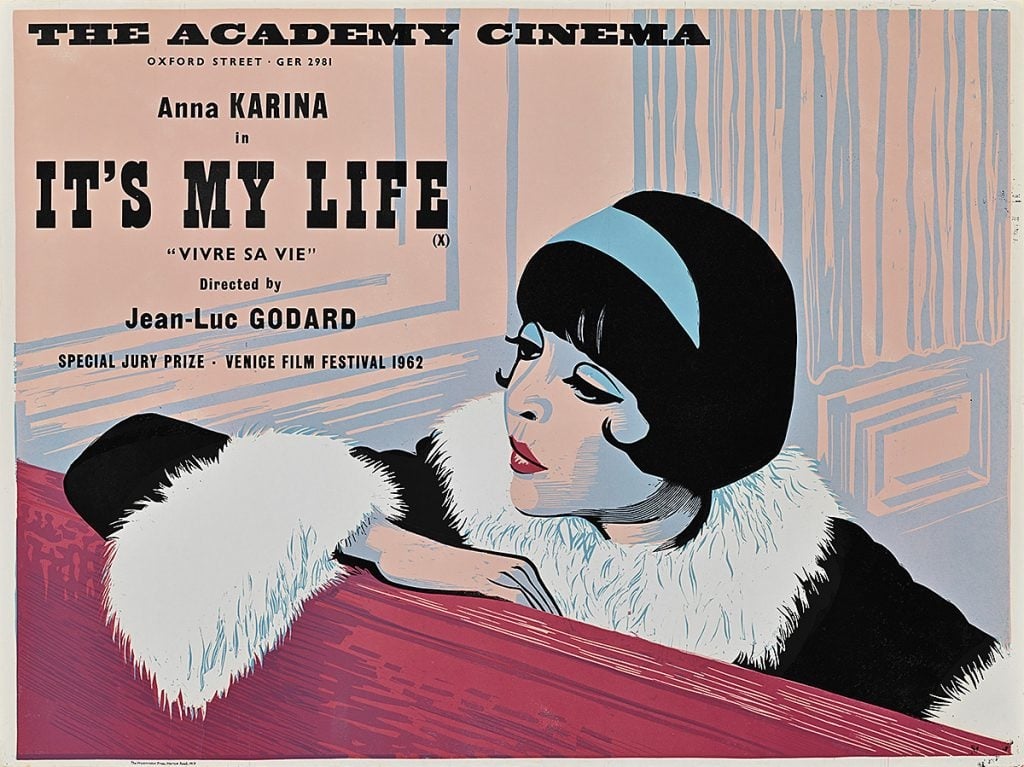
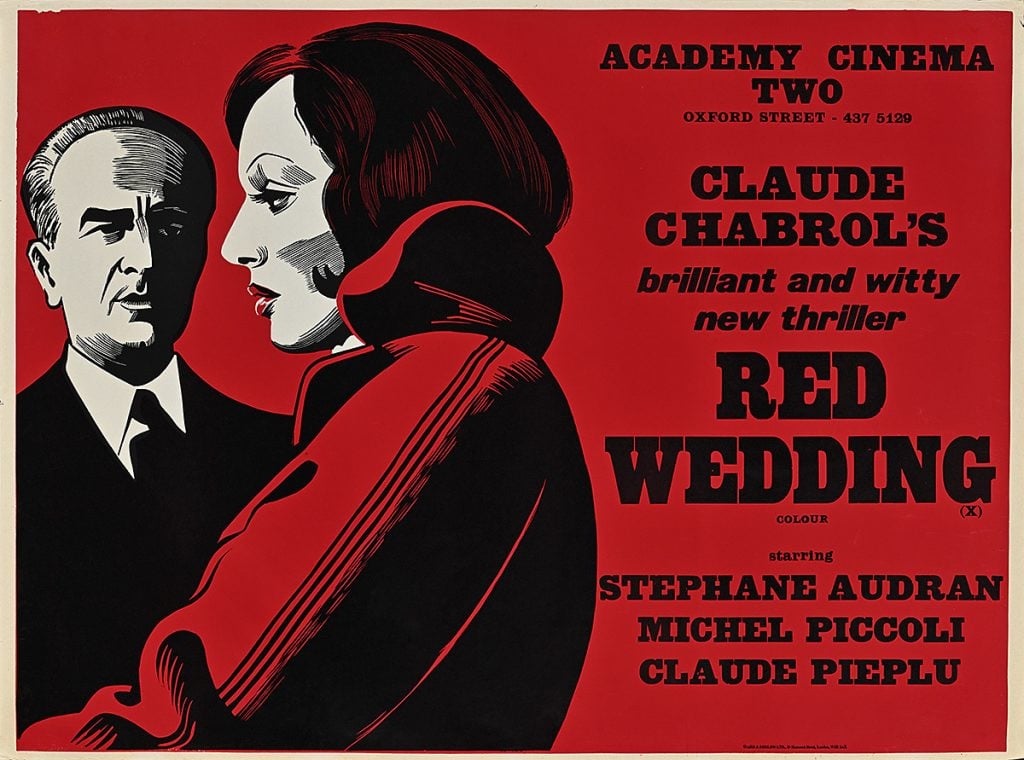
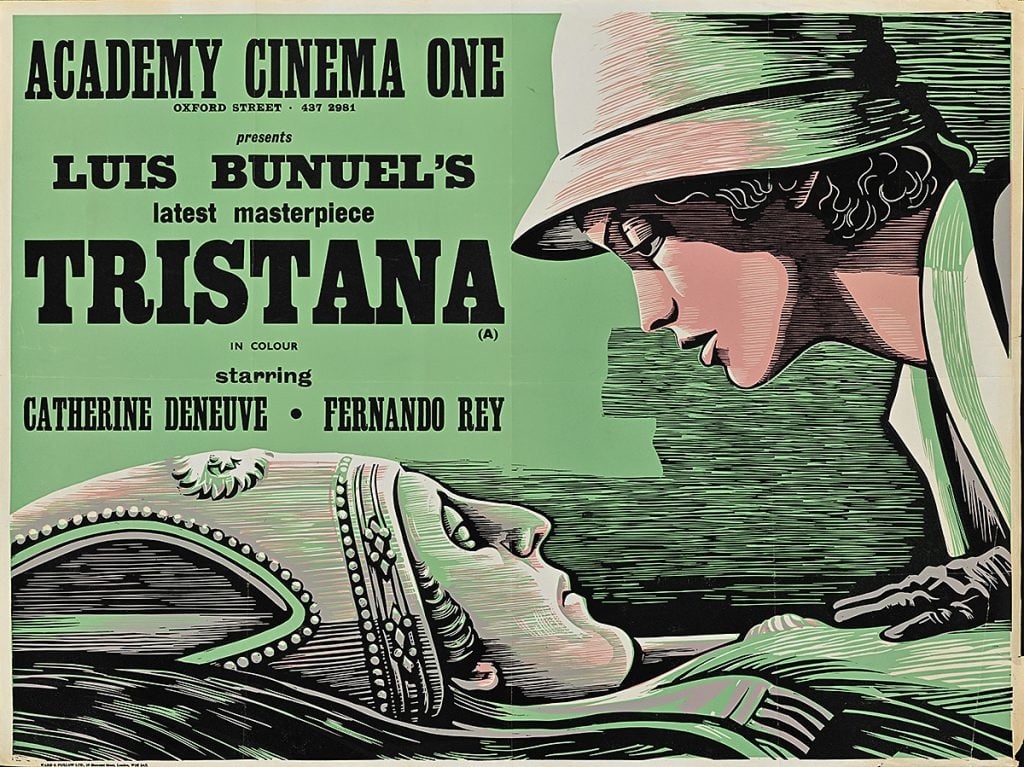
The excellent Poster House museum in NYC currently has an exhibition up of posters by Peter Strausfeld.
Between 1947 and 1980, Peter Strausfeld, a German refugee interned on the Isle of Man during World War II, created unique, compelling posters for London’s Academy Cinema—the city’s premier art house movie theater. Founded by Elsie Cohen in 1931, the Academy specialized in international films that eschewed classic Hollywood narratives, highlighting works by now-famous directors like Federico Fellini, Akira Kurosawa, François Truffaut, Ingmar Bergman, Andrzej Wajda, and Satyajit Ray. While these films now hold cult status for cinema aficionados, in the early to mid-20th century, art house remained a novel and daring form of cinema that few theaters showcased.
Throughout his longstanding relationship with the Academy, Strausfeld created over 300 bold, predominantly single-color linocut compositions with a deceptively simple hand-printed feel.
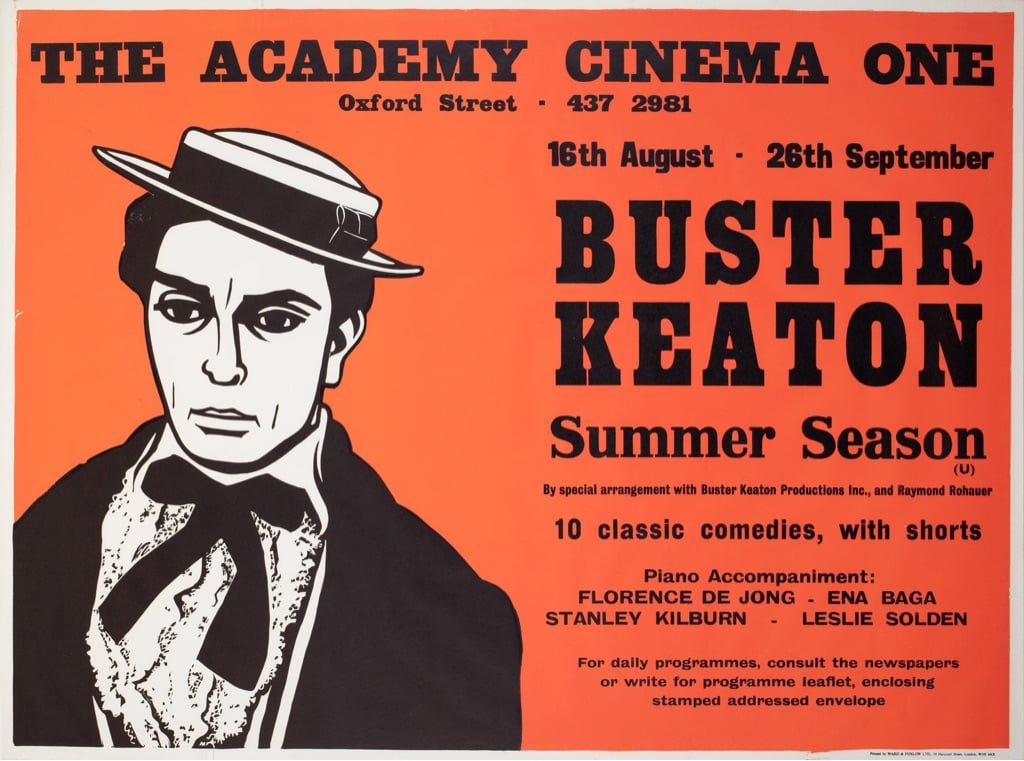
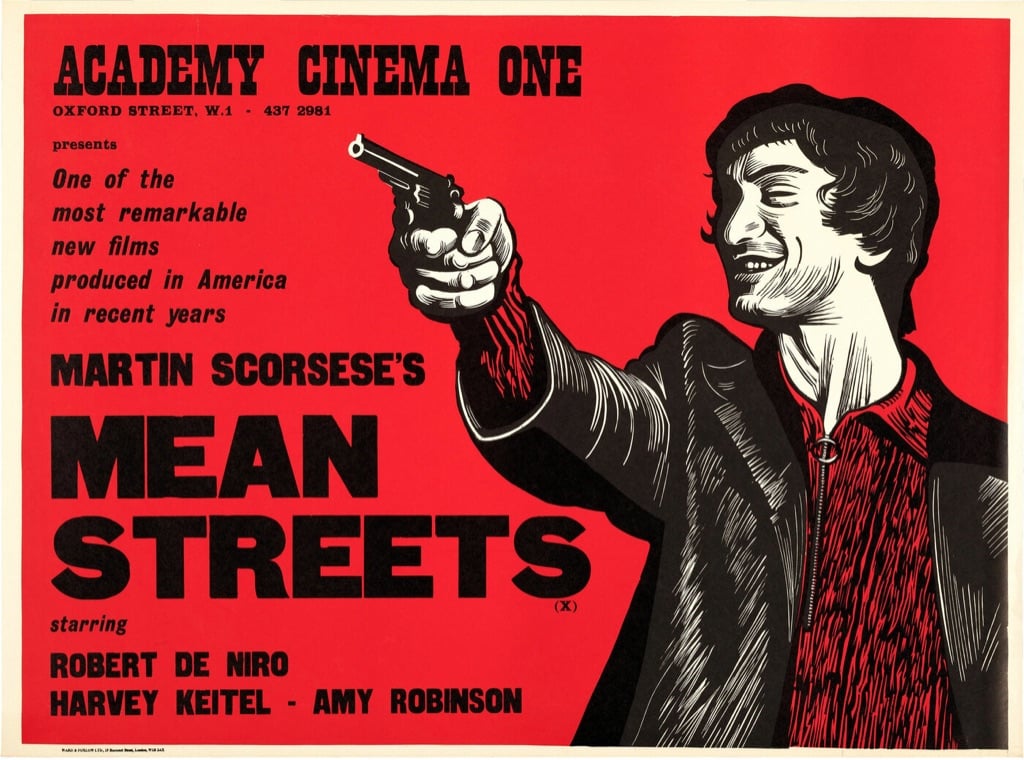
An accompanying book is available from RIT Press. More of Strausfeld’s work can be found at It’s Nice That, Orson & Welles, and Mubi. (via the new yorker)

From the collection of the Met, an Egyptian artist’s sketch of a sparrow circa 1479–1458 BCE. Much of the art that filters down to us from ancient civilizations was used for official purposes (state, religion, commerce); it’s nice to see something simpler like this drawing. Archaeologist Alison Fisk:
This may have been a practice drawing of the sparrow hieroglyph which was used for words meaning ‘small’, ‘poor’, or ‘bad’
The Egyptian artisans who decorated tombs and temples, drew sketches and jotted down notes on the plentiful limestone flakes which were by-products of temple and rock-cut tomb construction. Egyptologists refer to them as ‘ostraca’ (singular: ostracon). More info: ancientegyptonline.co.uk/ostracon/
From that link about ostracon:
The word “ostracon” is derived from the Greek “ostrakon” (meaning a piece of pottery used as a voting ballot). When a vote was held on whether to banish a person from society these shards were used to cast votes. This is the origin of the word “ostracism” (literally meaning “to be voted out”).
From the V&A Museum, here’s a 90-minute video of someone knitting a pair of gloves using a knitting pattern from the 1940s from the museum’s archive.
Featuring soft-spoken moments, natural yarn sounds, needles gently tapping, and the soothing rhythm of slow, careful making, this video is designed for deep relaxation, calm focus, and background ambience, perfect for studying, crafting, or winding down at the end of the day.
And from the knitting patterns page, some history:
Hand-knitting was at a peak in Britain in the 1940s. During the Second World War, women on the home front were encouraged to contribute to the war effort by knitting for the troops, which was promoted as public duty. Advertising at the time stated: ‘England expects – knit your bit’.
Many knitting patterns were given away free, while wool was also sent to schools so that children could knit gloves, scarves and balaclava helmets for the forces. Wool was also supplied to organisations such as the Women’s Institutes of England and Wales, who made over 22 million knitted garments for the Red Cross (an average of 67 garments per member). Parcels of their knitwear were sent to prisoners of war, as well as to troops.
I know we’ve got some knitters in the group…have you ever tried any of these patterns? If not, report back if you give them a try.
From the archives of London’s V&A Museum, a selection of items that were used by Victorian-era mourners to remember and pay tribute to loved ones who had died, including jewelry with human hair, black dresses, jet black jewelry, mourning cards, and postmortem photography. Victorian fashion was heavily influenced by Queen Victoria, who mourned the death of her husband for decades and set off a trend in Britain (more here):
Victoria’s grief wasn’t only personal but influenced the entire nation. Her strict adherence to mourning attire and jewelry set the tone for the era. Until around 1880, she mandated that only mourning jewelry could be worn in the court. The Queen’s dedication to mourning created what has been described as “the Cult of Mourning,” where societal conventions, fashion, and daily life were infused with the solemnity of loss.
During the Victorian era, mourning jewelry transformed into sentimental tokens for the departed, featuring symbols like willows, angels, clouds, and initials. Women adhered strictly to mourning dress codes, wearing black for the initial “deep mourning” phase lasting two to three years, later transitioning to darker colors. Incorporating the deceased’s hair was common, using materials like jet, vulcanite, and gutta percha. White enamel symbolized the death of an unmarried female or a child, while pearls represented children, signifying tears. Turquoise conveyed the sentiment of “thinking of you,” and affluent families adorned mourning jewelry with precious stones for their loved ones.
A+ to the curators in the video, who understood the fashion assignment in presenting these objects.
Also, I love every opportunity to share one of my favorite Victorian phrases: “got the morbs”, which is defined as being in a state of temporary melancholia. (via colossal)
Konnichiwa! I’m back from Japan and finally getting over my jetlag, which took much longer than I expected. Here’s a list of all the things I’ve been reading, watching, listening to, and experiencing over the past few months.1 Let us know what movies, books, art, TV, music, etc. you’ve been enjoying in the comments below!
Deacon King Kong by James McBride. This was my first time reading anything by McBride and maybe I have a new favorite author? I love everything about this story and the way he tells it. (A+)
The Da Vinci Code. One of my go-to comfort movies. “Scientific” art history detective story? Yes, please. (A)
One Battle After Another. Great. Especially Sean Penn. And it reminded me of a Wes Anderson movie for some reason? Like one that he would have made had he followed the Bottle Rocket path instead of the Rushmore Path. (A+)
Meredith Dairy Marinated Sheep & Goat Cheese. All cheese is delicious, but this one particularly so. (A)
Fantastic Four. It was ok? Aside from a few things, I’m having trouble getting excited about post-Infinity Saga Marvel. There was just a special alchemy about that whole arc that is proving impossible to reproduce. (B)
The Age of Innocence by Edith Wharton. Fantastic right from the first page. Sharp writing about social mores, reminded me of Middlemarch & Price and Prejudice in that respect. One of my all-time favorites, I think. (A+)
The Gilded Age (season three). Still enjoying the hell out of this show. Total suspension of disbelief is a must. (A-)
Mission: Impossible. I haven’t seen this in maybe 20 years and I guess it holds up? Not my favorite of the series though. (B+)
Tinker, Tailor, Soldier, Spy. Great spy thriller. Gary Oldman is fantastic in this. Cold War? Spies? Britain? I will pretty much watch as many of this type of movie as you can make. (A)
Leaving America. This is a 12-part podcast on the logistics, benefits, and challenges of leaving the United States. Oh, no reason. (B+)
The Fellowship of the Ring (and TT & ROTK) by J.R.R. Tolkien. It’s been a while since I’ve read The Lord of the Rings books and wow, are they long. There’s entirely too much “and they travelled from here to there” logistics that drag on over several pages and descriptions of hilltops & ancient landmarks that you only hear about once. But Andy Serkis narrating the audiobook? So good. (A-)
The Lord of the Rings trilogy. After each audiobook, I watched the extended version of the corresponding film. My general feeling after 65+ hours of audiobook and 12+ hours of movie is that the books are too long and the movies too short. An 18-hour mini-series — perhaps three seasons of six episodes each? — seems like the sweet spot. (A)
Star Trek: Strange New Worlds (season three). Maybe didn’t enjoy this quite as much as the previous two season, but I love spending time with these people and look forward to doing more of that when season four drops. (B+)
Jaws. Got to see this in the theater when they released it for the 50th anniversary. Spielberg had such a strong style right from the jump. (A-)
Paradise. Just fine. But I feel like there are better apocalyptic shows out there. (B)
Downton Abbey: The Grand Finale. It was so nice to head to the theater to nestle myself into the low-stakes world of Downton Abbey for 2 hours. (B+)
Daft Punk Fortnite. Love anything with Daft Punk. (A)
The Heaven & Earth Grocery Store by James McBride. Right after finishing Deacon King Kong, I did something I almost never do: started in on a different book from the same author. Loved this one too. (A+)
Tron: Ares. It was a loud NIN music video on a huge screen, what’s not to like? Jared Leto was fine, but there were probably better casting options here that the audience would have been more excited about. And the direction could have been stronger…Gillian Anderson and Greta Lee were both surprisingly meh. (B+)
Tron: Ares soundtrack. Better than the movie. (A-)
Total Recall. First time! Maybe a little too Verhoeven/B-movie for me. (C+)
Cars. I’ve seen this movie several times and what I noticed this time around is how incredibly expressive the cars are. You can just tell they worked very hard on that aspect of the animation. (A-)
Shopkeeping by Peter Miller. This was recommended from a couple of different vectors — pretty sure one was Robin Sloan. Lots of resonance to my work here and how I think about it (and want to think about it). (A-)
Japan. Absolutely loved it. (A+)
Iyoshi Cola. Craft colas are often disappointing, but this one was absolutely delicious. Wish I could get it in the States for less than $14 a can. (A)
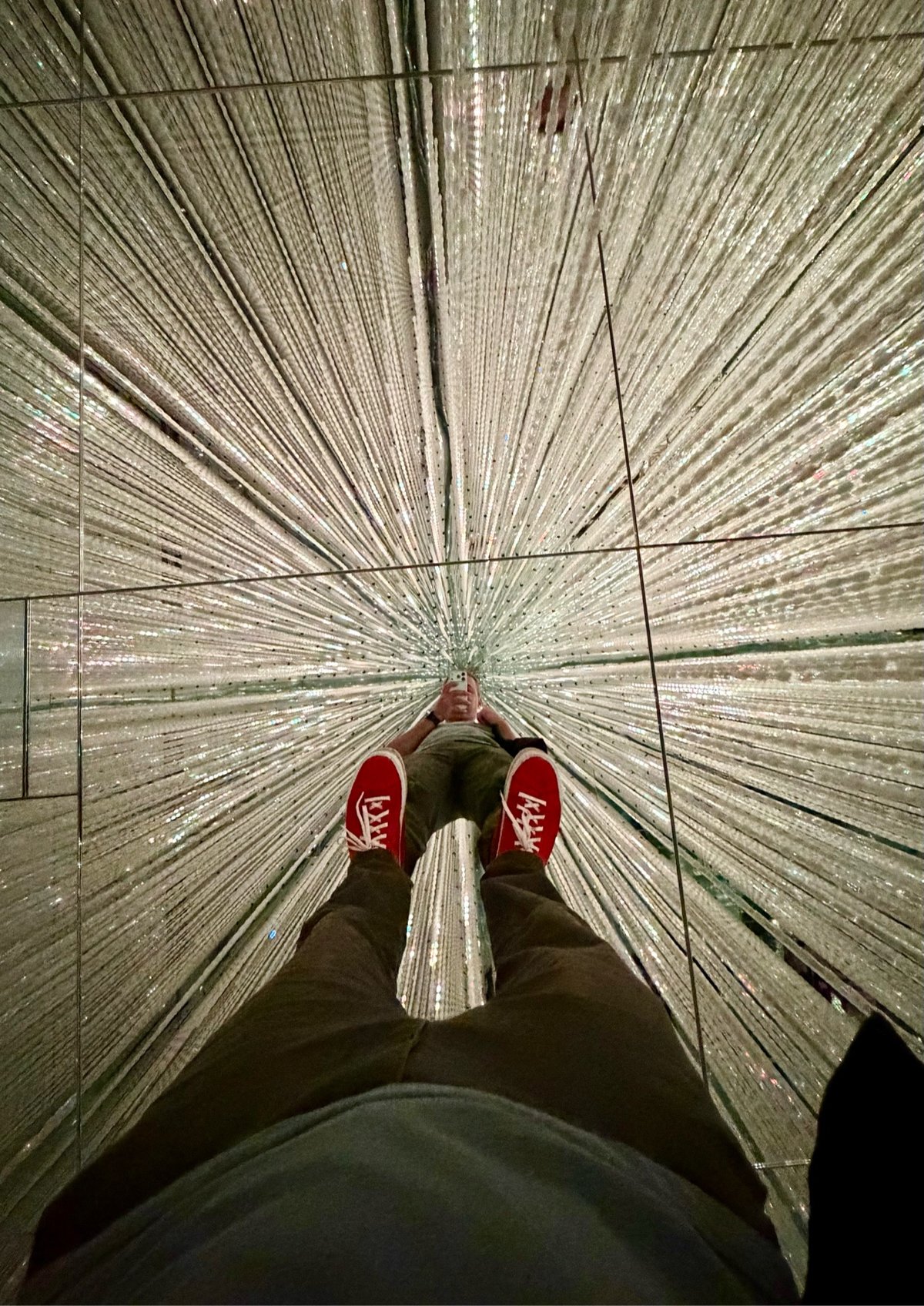
teamLab Borderless. Some of this was too “built for Instagram” but a couple of the rooms (the one where it felt like the whole room was moving & the cathedralish one with the light strings) were great. (A-)
The Sumida Hokusai Museum. Had to make the pilgrimage here. (A-)
In Praise of Shadows by Jun’ichirō Tanizaki. Read this book about Japanese aesthetics while visiting Japan — it provided an interesting context. (B+)
Hokusai at Creative Museum Tokyo. Fantastic show…there were hundreds and hundreds of prints and drawings that showed his evolution and influence. (A+)
Okunoin Cemetery. Had one of the strongest senses of place I have ever experienced. (A)
Konbini. The Japanese convenience stores really are as appealing as you’ve heard. (A-)
Awakening Your Ikigai by Ken Mogi. Perhaps a little over-simplifying when it comes to Japanese culture, but I appreciated the message of having a purpose. (B)
Sho-Chan Okonomiyaki. When I got to Hiroshima, I knew I had to try their version of okonomiyaki, so I went to Okonomimura, a multi-story building crammed with okonomiyaki restaurants. I picked one and had one of the most surprising meals of my trip. So good. (A)
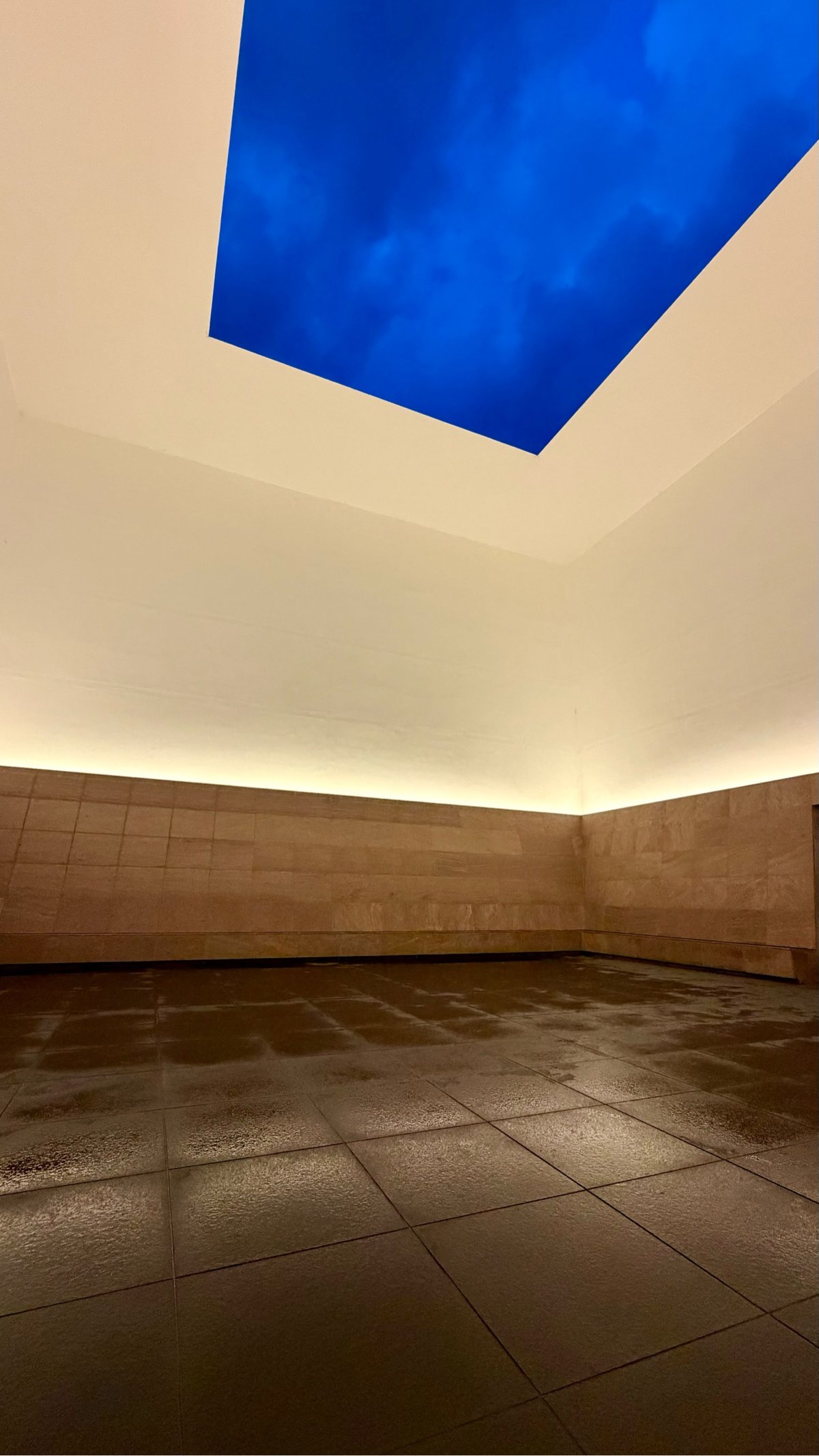
Blue Planet Sky. I spent a lot of time sitting in this room by James Turrell. (A)
Kanazawa Phonograph Museum. Lovely little museum, and a good opportunity to observe how successful inventions move from technology to culture/fashion/commerce. (A)
Princess Mononoke. I saw this in the theater on my last full day in Tokyo; they recently released a 4K remaster. Absolutely breathtaking. (A+)
Butch Cassidy and the Sundance Kid. Redford and Newman are both total smokeshows in this. And I’d forgotten how goofy this movie is. (B+)
A House of Dynamite. A very tough watch, but I thought this was fantastic as a tour of some of the different kinds of people who hold the fate of every single person on the planet in their hands every damn day. They’re tired, stressed, distracted, at cross-purposes with themselves, set in their ways, more celebs than leaders, and mediocre. And none of them have ever seen Dr. Strangelove? (A)
Past installments of my media diet are available here. What good things have you watched, read, or listened to lately?

Speaking of Benito Mussolini and fascism, the excellent Poster House museum in NYC has a new exhibition on for the next few months: The Future Was Then: The Changing Face of Fascist Italy. It features “some of the best posters produced during the worst period in modern Italian history”.
In a fascist movement inspired by art, how does the fascist government influence the artists living in its grasp? This exhibition explores how Benito Mussolini’s government created a broad-reaching culture that grew with and into the Futurist movement to claw into advertising, propaganda, and the very heart of the nation he commanded.


That Lubrificanti Fiat poster is incredible. The Future Was Then is on view at Poster House until Feb 22, 2026.
A few days ago, I linked to a NY Times piece about the V&A’s 90,000-piece archive of David Bowie stuff — costumes, photos, drawings, lyrics, etc.
The David Bowie Centre is a working archive with new reading and study rooms. The archive contains over 80,000 items, including 414 costumes and accessories, nearly 150 musical instruments and other sound equipment, designs, props and scenery for concerts, film and theatre. Bowie’s own desk is part of the archive, alongside notebooks, diaries, lyrics, correspondence, fan mail and over 70,000 photographic prints, negatives and transparencies.
The Centre is brought to life with a series of small, curated displays. Highlights include 1970s Ziggy Stardust and Aladdin Sane ensembles designed by Freddie Burretti and Kansai Yamamoto, a film showcasing performances from Bowie’s career, and an installation tracing his impact on popular culture.
Last week, Open Culture linked to this video tour of the Bowie collection by Jessica the Museum Guide:
I imagine it’s not quite like being there in person, but still. (via open culture)
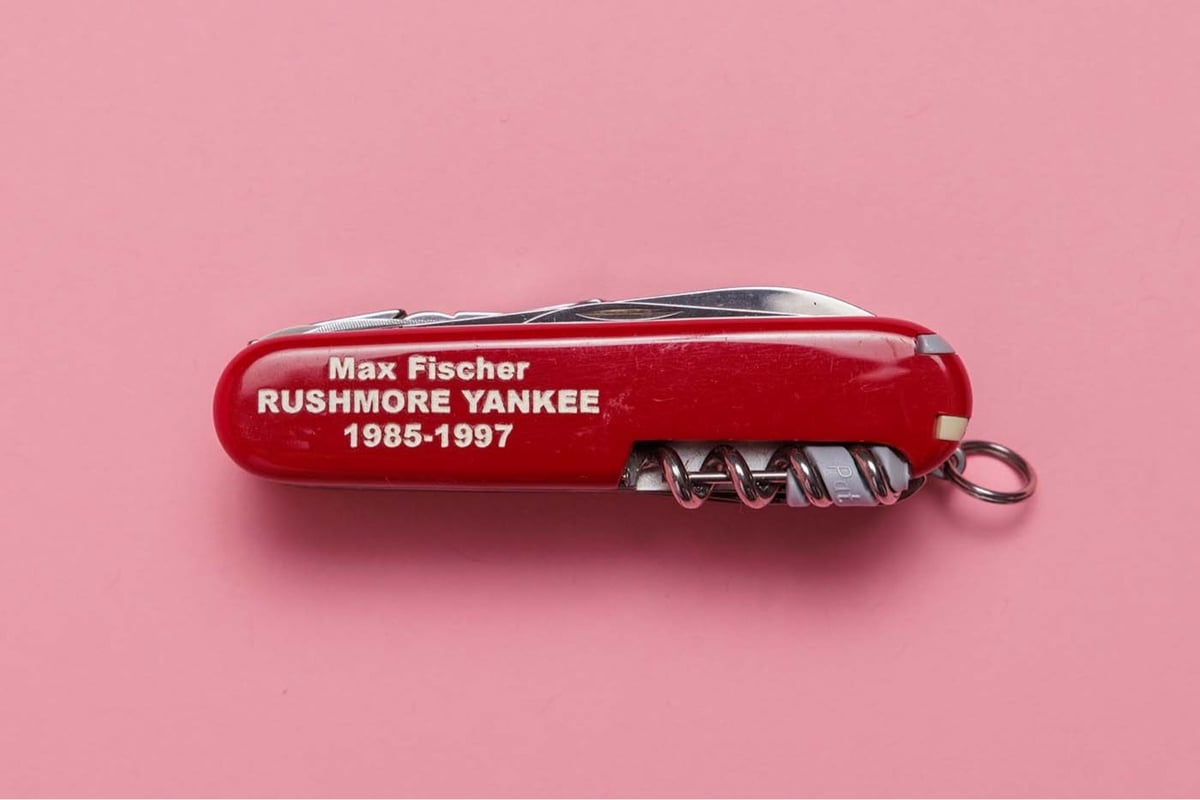
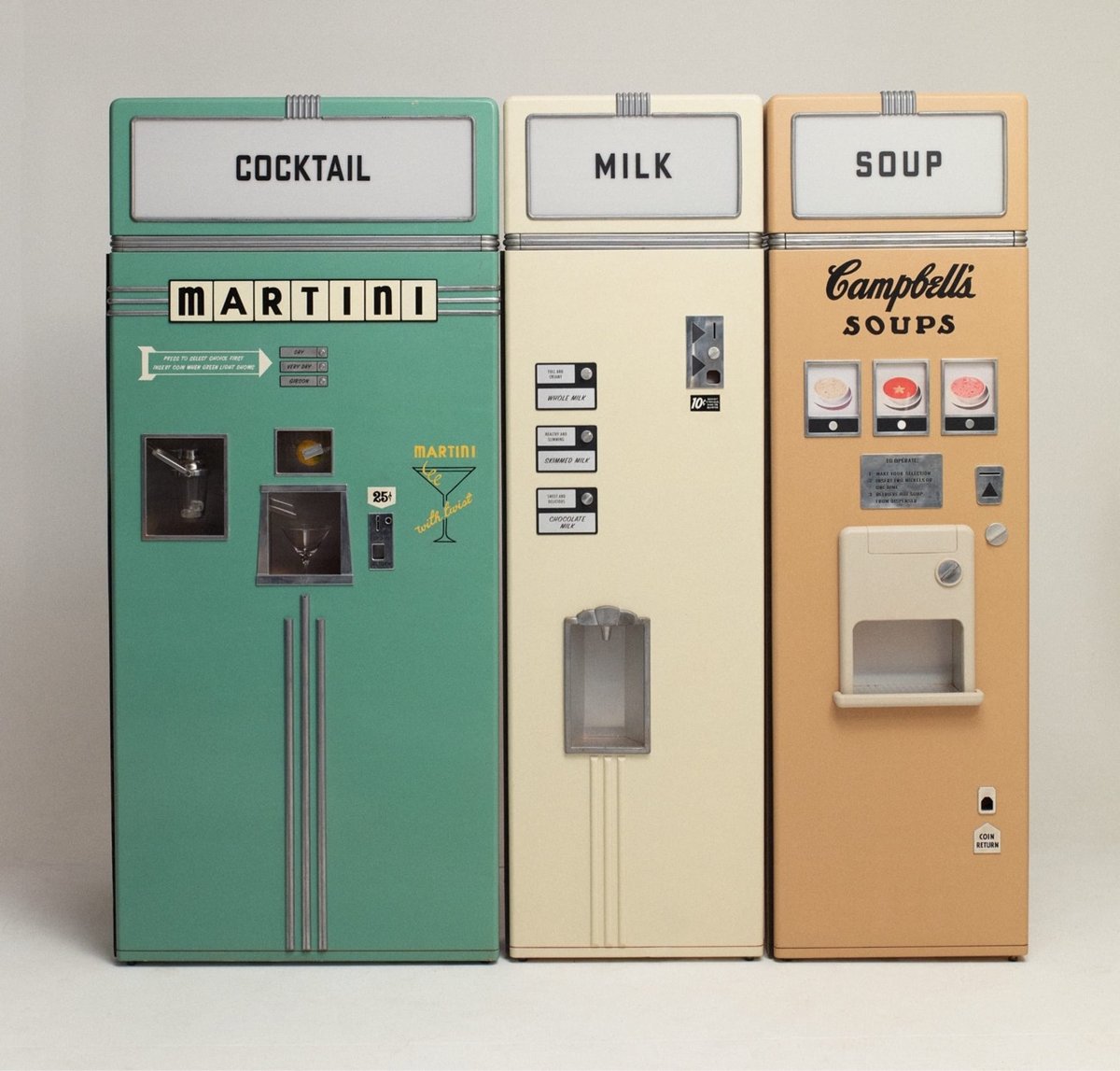
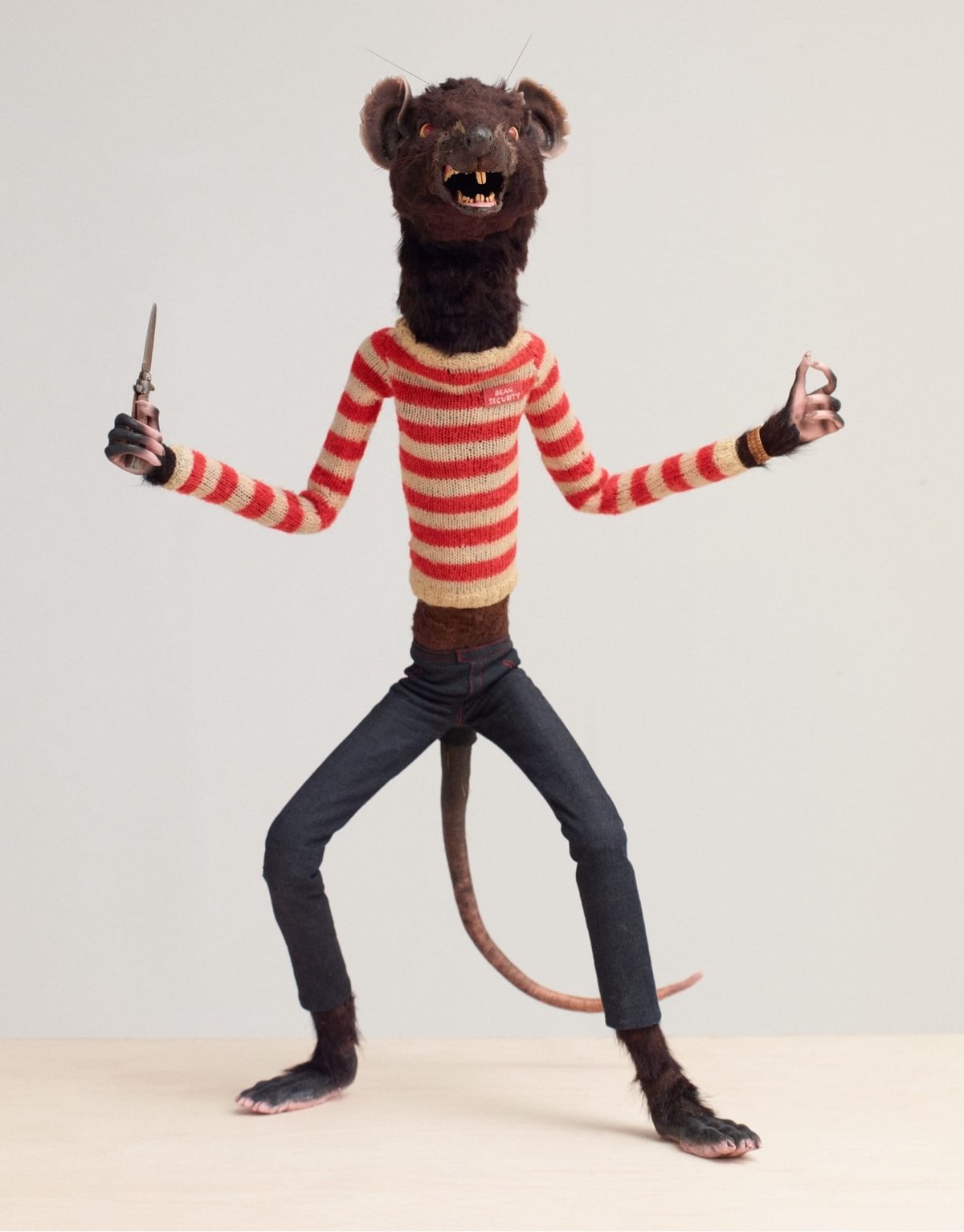
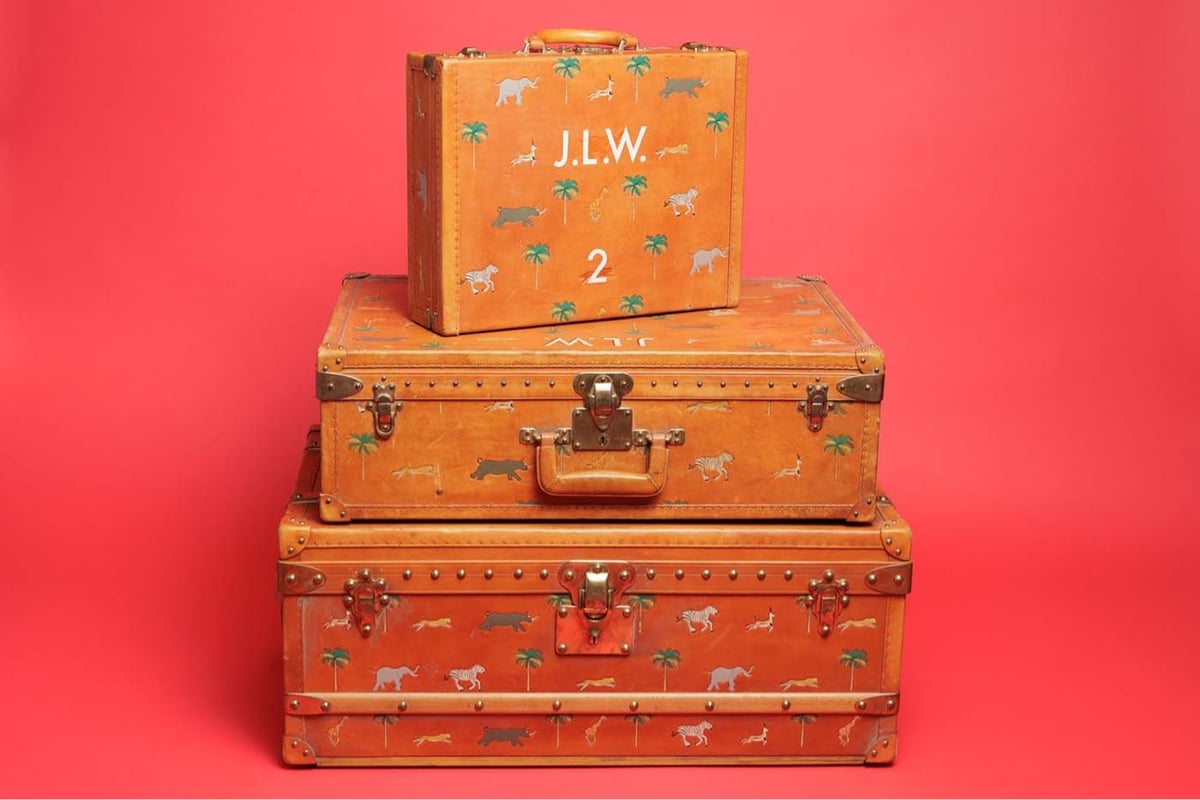
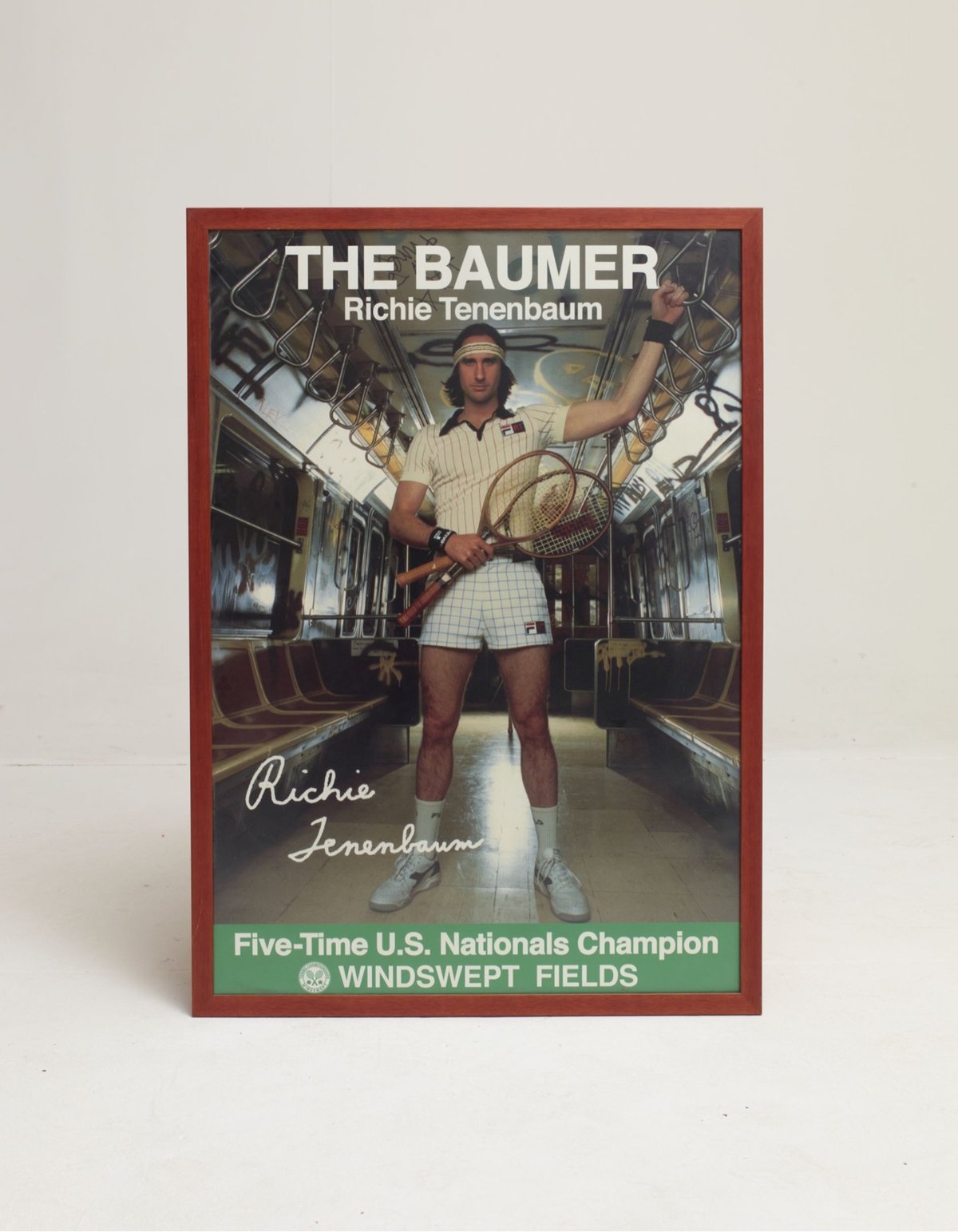
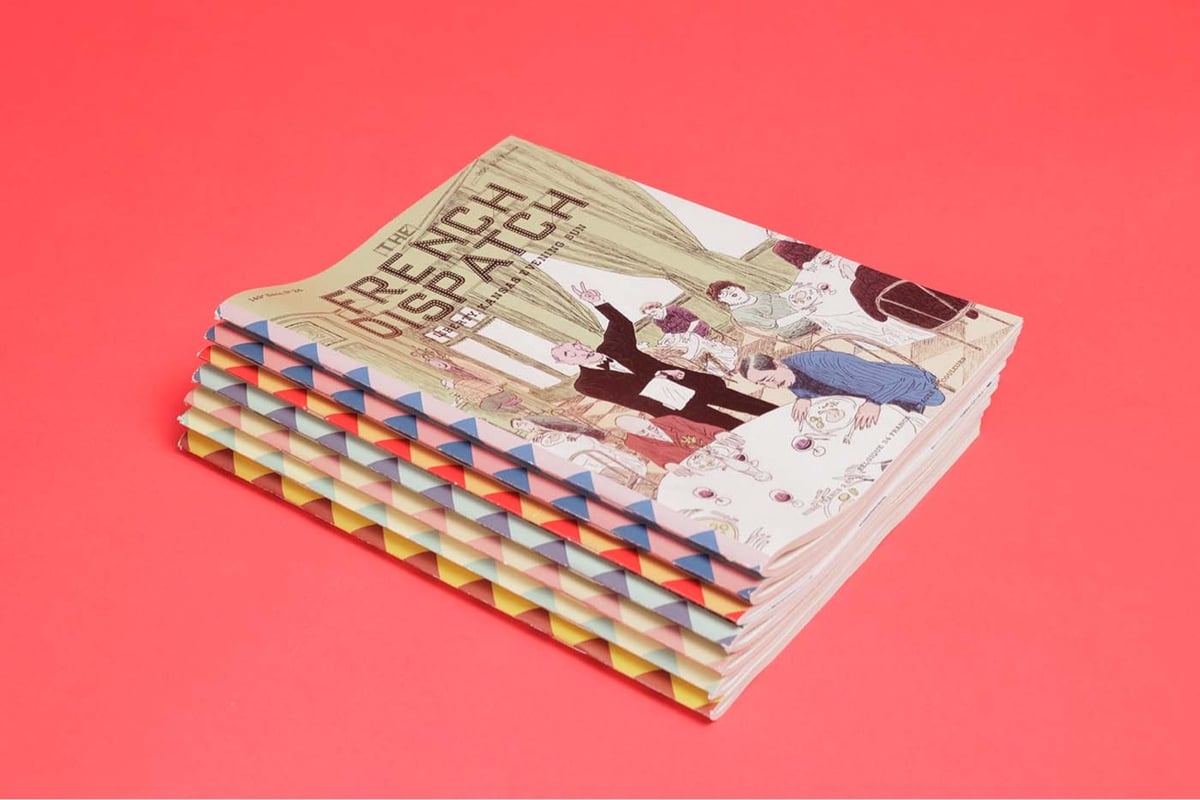
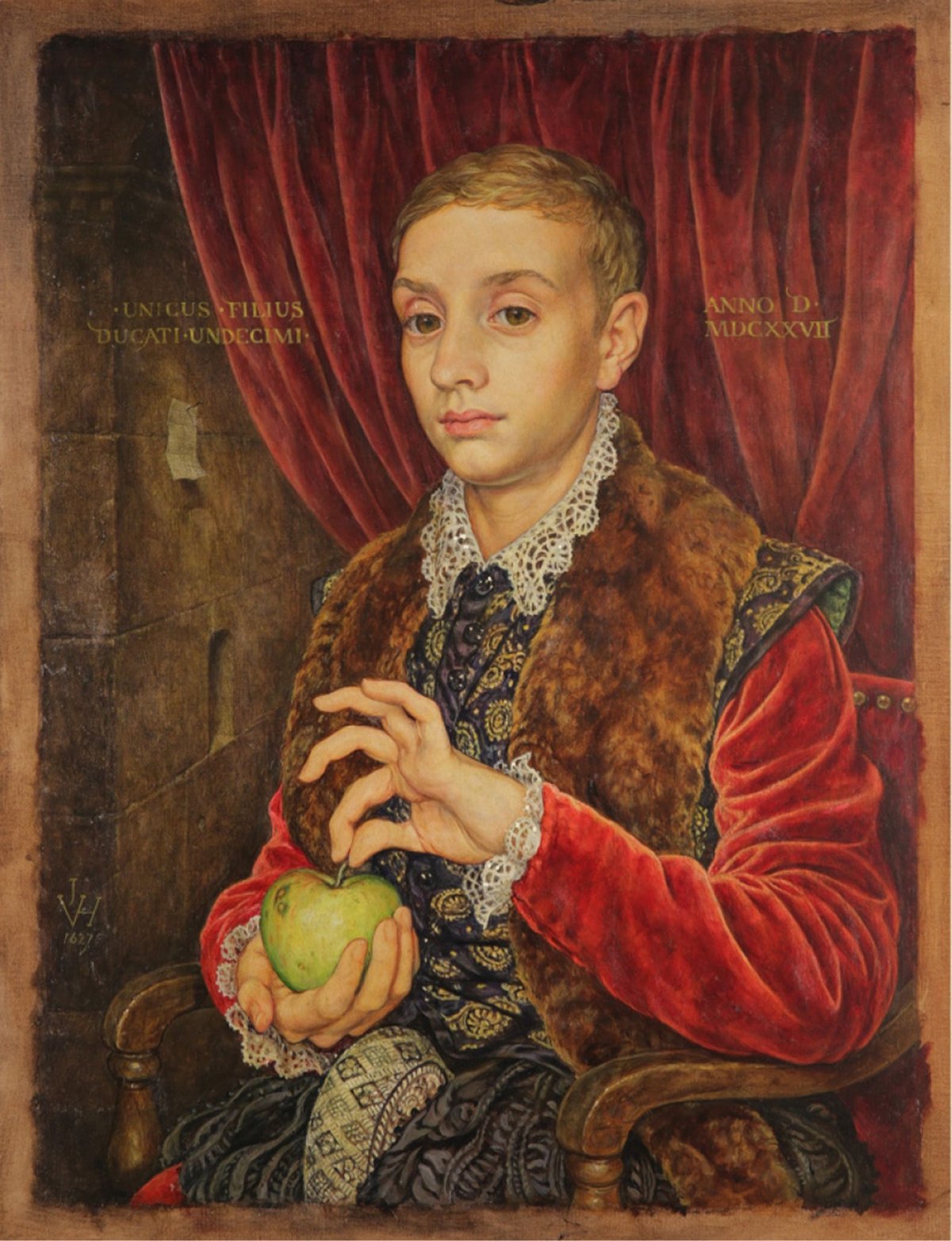

I don’t think anything could be more up my alley, in my wheelhouse, in my lane, my cup of tea, my speed than this upcoming retrospective of Wes Anderson’s work at London’s Design Museum.
The Design Museum has been granted unprecedented access to Wes Anderson’s personal archives, which the filmmaker has built up over three decades. This is the first time most of these objects will be displayed in Britain.
This landmark exhibition will chart the evolution of Wes Anderson’s films from early experiments in the 1990s to recent productions as well as collaborations with key long-standing creative partners. Explore the design stories behind award-winning and iconic films such as ‘The Grand Budapest Hotel’, ‘The Wonderful Story of Henry Sugar’, ‘Fantastic Mr. Fox’ and ‘Isle of Dogs’.
The exhibition starts on Nov 21, 2025 and runs through Jul 26, 2026.

The MFA in Boston is putting on an exhibition this spring and summer called Van Gogh: The Roulin Family Portraits.
Vincent van Gogh (1853–1890) once wrote, “What I’m most passionate about…is the portrait, the modern portrait.” This passion flourished between 1888 and ‘89 when, during his stay in Arles, in the South of France, the artist created a number of portraits of a neighboring family—the postman Joseph Roulin; his wife, Augustine; and their three children: Armand, Camille, and Marcelle. Van Gogh’s tender relationship with the postman and his family, and his groundbreaking portrayals of them, are at the heart of this exhibition, which is the first dedicated to the Roulin portraits and the deep bonds of friendship between the artist and this family.
The BBC has more on the show and the artist’s relationship with the Roulin family.
“So much of what I was hoping for with this exhibition is a human story,” co-curator Katie Hanson (MFA Boston) tells the BBC. “The exhibition really highlights that Roulin isn’t just a model for him — this was someone with whom he developed a very deep bond of friendship.” Van Gogh’s tumultuous relationship with Gauguin, and the fallout between them that most likely precipitated the ear incident, has tended to overshadow his narrative, but Roulin offered something more constant and uncomplicated. We see this in the portraits — the open honesty with which he returns Van Gogh’s stare, and the mutual respect and affection that radiate from the canvas.
The exhibition will run at the MFA from March 30 to September 7, 2025 and then move on to the Van Gogh Museum in Amsterdam from October 3 to January 11, 2026.
Am I excited to see this exhibition? Yes. Is this post an excuse to post 1889’s Portrait of Joseph Roulin, one of my favorite van Gogh’s? Also yes. Win win.

London’s Design Museum is hosting a big retrospective of Wes Anderson’s work beginning in late 2025.
This exhibition will be the first time museum visitors have the opportunity to delve into the art of his complete filmography, examining his inspirations, homages, and the meticulous craftsmanship that define his work.
Through a curated collection of original props, costumes, and behind-the-scenes insights, including from his personal collection, this exhibition offers an unprecedented look into the world of Wes Anderson, celebrating his enduring influence on contemporary cinema.
Might have to make my way to London for this. (via daniel benneworth–gray)

The Art Institute of Chicago has three copies of Katsushika Hokusai’s iconic work The Great Wave Off Kanagawa in its collection and one of them has been removed from storage and is back on display in the museum until Jan 6, 2025.
The Great Wave has not been on view in the Art Institute galleries for five years because, like all prints, it is susceptible to light damage and must rest a minimum of five years between showings to preserve its colors and vibrance.
Here’s a video of the print being removed from storage as well as a brief comparison of their three prints:
For other places you can see The Great Wave on display, check out Great Wave Today.
The first major US retrospective of Vivian Maier’s photography is currently on display at Fotografiska New York through Sept 29. Maier was a street photographer whose work was discovered in 2007 and is now recognized “alongside the greatest masters of the twentieth century”.


You can see much more of Maier’s work on this website of her work.
Jason’s only got one rule for guest editors and it’s, “If you’re going to post about Utrecht once, you have to post about Utrecht three times,” which is a bad rule imo and problematic for me because I don’t know anything about Utrecht except they got bones full of drugs there and a doorbell for fish.
Luckily, I am American and did the American thing of texting the only Dutch person I know when I saw the fish doorbell was opening up for the year, because obviously everyone from the Netherlands will already know about the fish doorbell. He didn’t know about the fish doorbell, but he did used to be an intern at the Musical Clock Museum in Utrecht, which is a museum focusing on self-playing instruments and musical clocks. The Museum Speelklok appears to contain the second largest such collection in the world behind the Musical Museum in Brentford, which has them beat on self-playing instruments, though it’s not clear how many musical clocks they’ve got at MM. Regardless, the Utrecht Musical Clock Museum appears delightful and you should visit after visiting the fish doorbell.
Update:
Thanks to Logan and Marc in the comments for pointing me to Wintergatan. The marble machine in the video below is exhibited at Museum Speelklok.
(Jason previously wrote about Martin Molin’s Wintergatan projects in 2020, which were inspired by Martin’s visit to Museum Speelklok in 2016.)
This story is a few years old but it charmed me too much this morning to let it slide. In 2017, four years after its grand reopening, Amsterdam’s Rijksmuseum welcomed its 10-millionth visitor, a man named Stefan Kasper. His lucky timing resulted in getting to spend the night in the museum, where he dined and slept underneath Rembrandt’s the Night Watch.
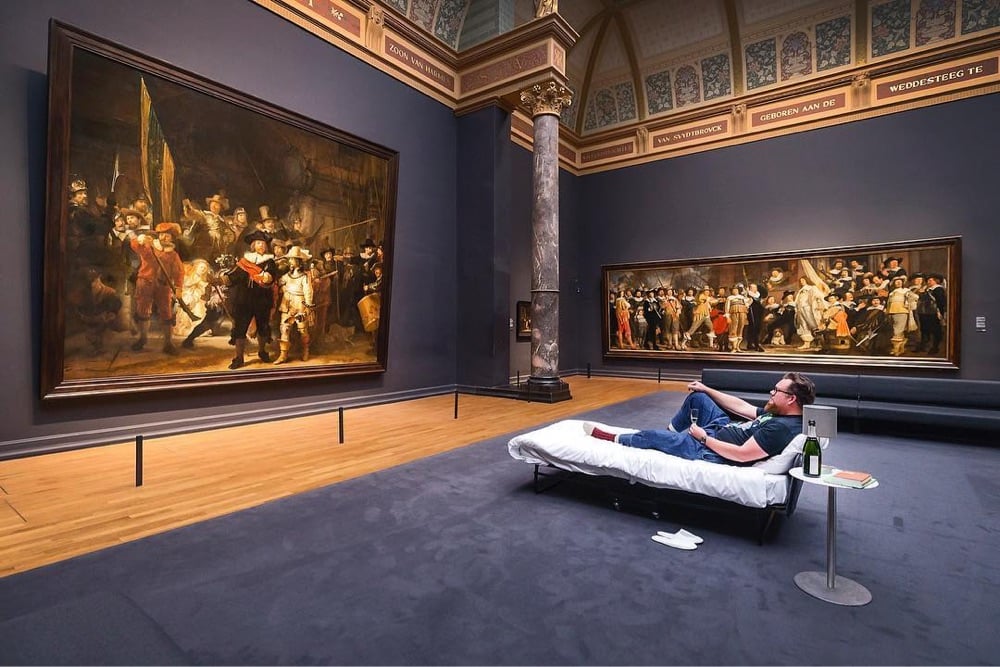
Here’s a short video of Kasper’s time in the museum:
I still can’t believe it. I discovered characters that I have never seen before. They came to life in front of me. It’s an experience that is forever etched in my memory.
Not the same, but I got to go to a press preview when the MoMA reopened a few years ago after renovations and it was quite an experience to wander those familiar galleries pretty much by myself. I stood in front of Starry Night and One: Number 31, 1950 for a really long time that morning.
Back in 2020, the Smithsonian Institution placed 2.8 million high-resolution images and 3D models of objects in their collection into the public domain via their Open Access initiative. Over the past three years, that collection has grown to 4.5 million images, an absolutely immense trove of objects that people are free to use and remix however they wish.
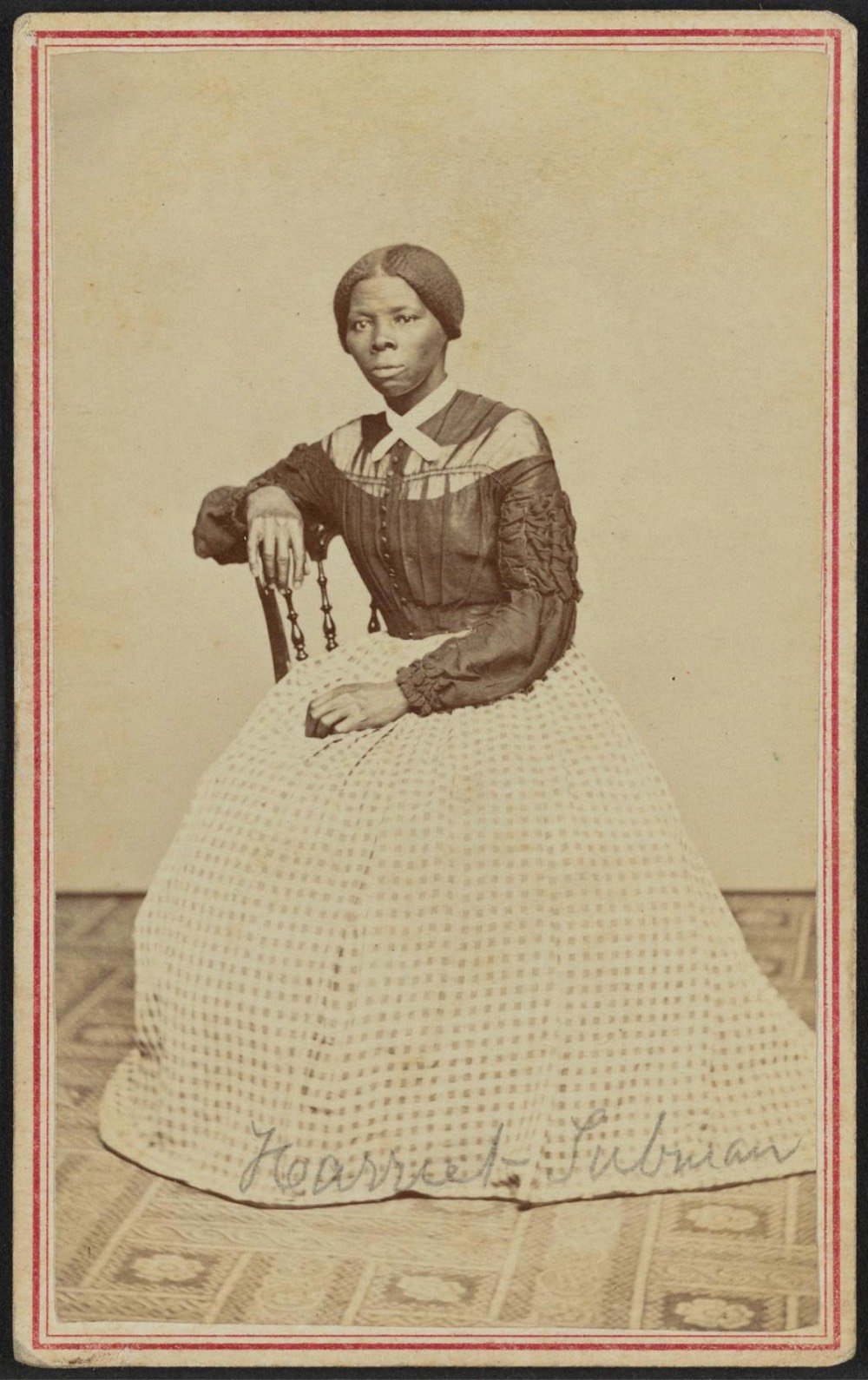
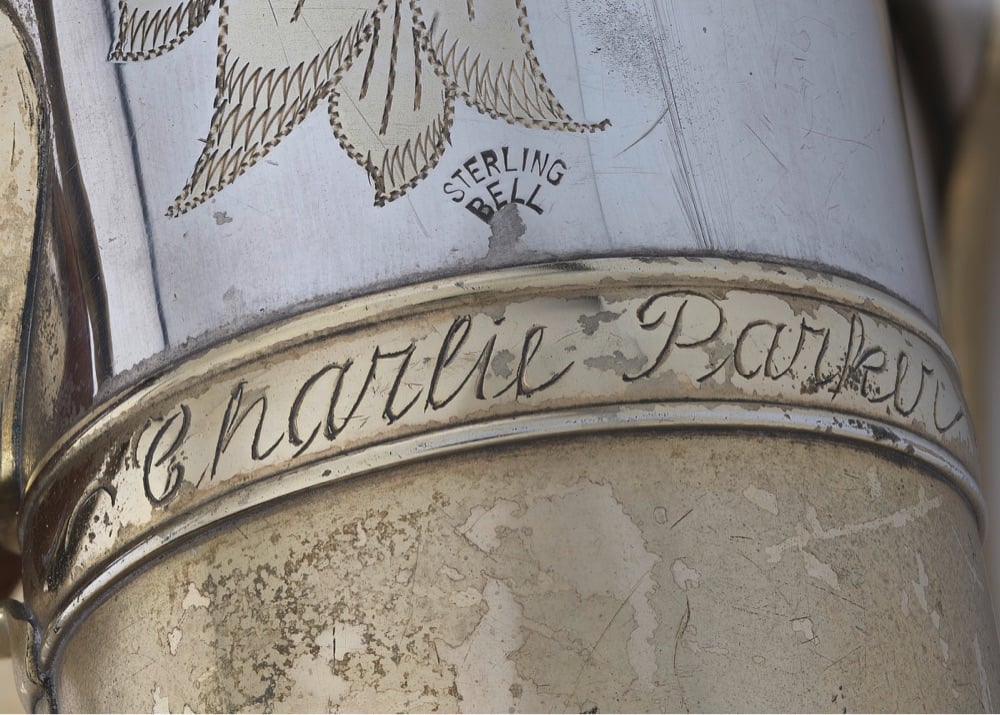

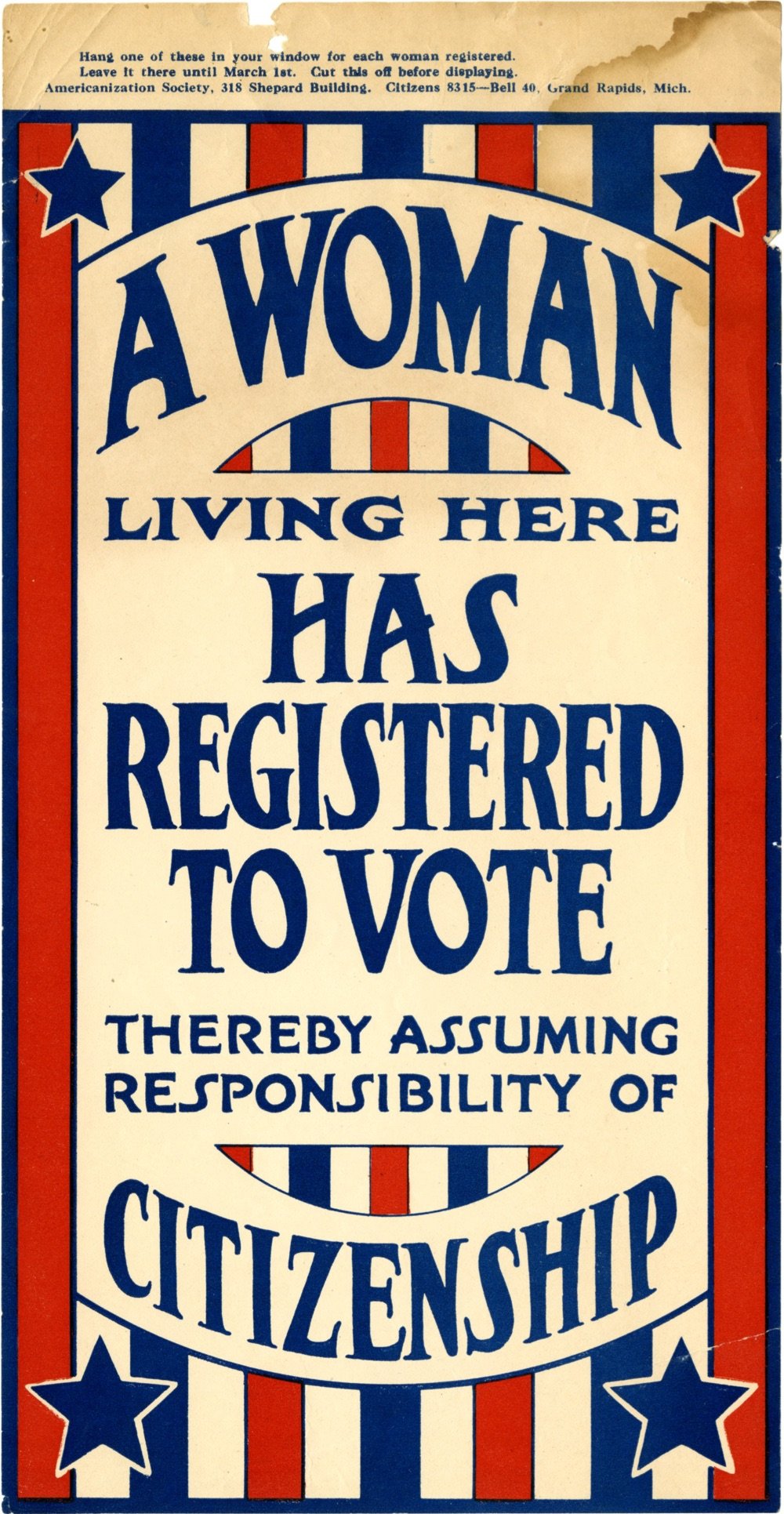
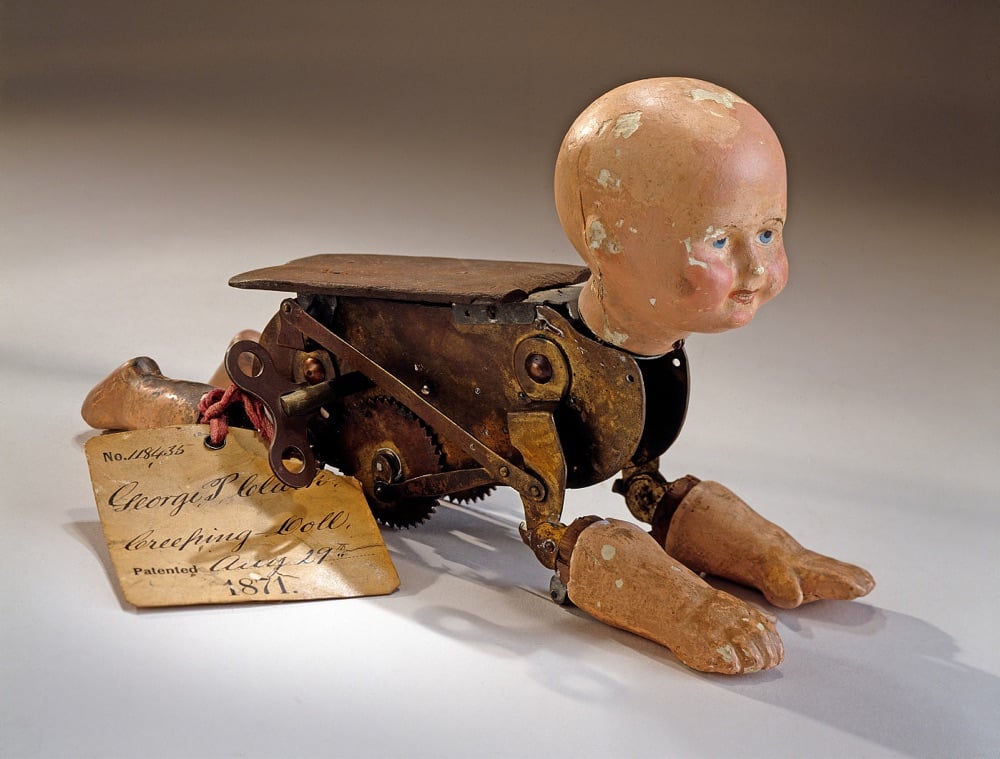
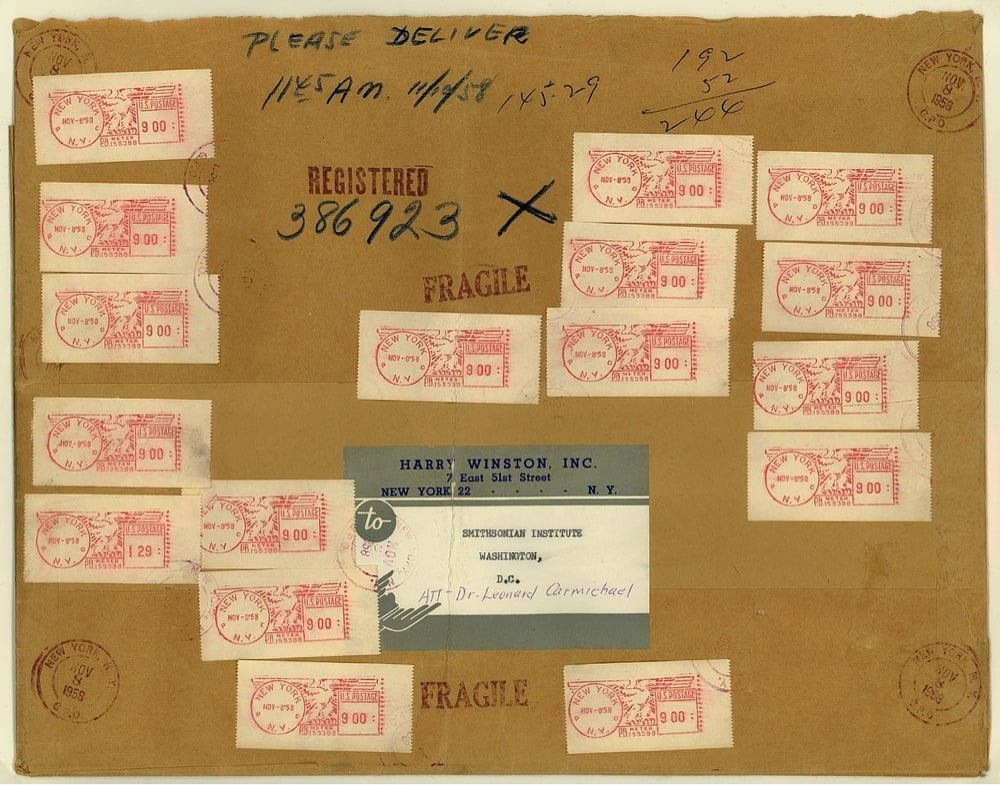
That last image is the mailing wrapper from when jeweler Harry Winston sent the Hope Diamond (currently valued at $200-350 million) to the Smithsonian through the regular US Mail.
Mailed on the morning of November 8 from New York City, the item was sent by registered (first class) mail — considered the safest means of transport for valuables at that time. The total fee was $145.29 (see the meter machine tapes). Postage only amounted to $2.44 for the package which weighed 61 ounces. The remainder of the fee ($142.85) paid for an indemnity of about $1 million.
(via my modern met)
I’ve written before about the data visualizations created by W.E.B. Du Bois for the 1900 World’s Fair in Paris. Apparently a selection of these infographics are on display at the Cooper Hewitt Design Museum in NYC until May 29.
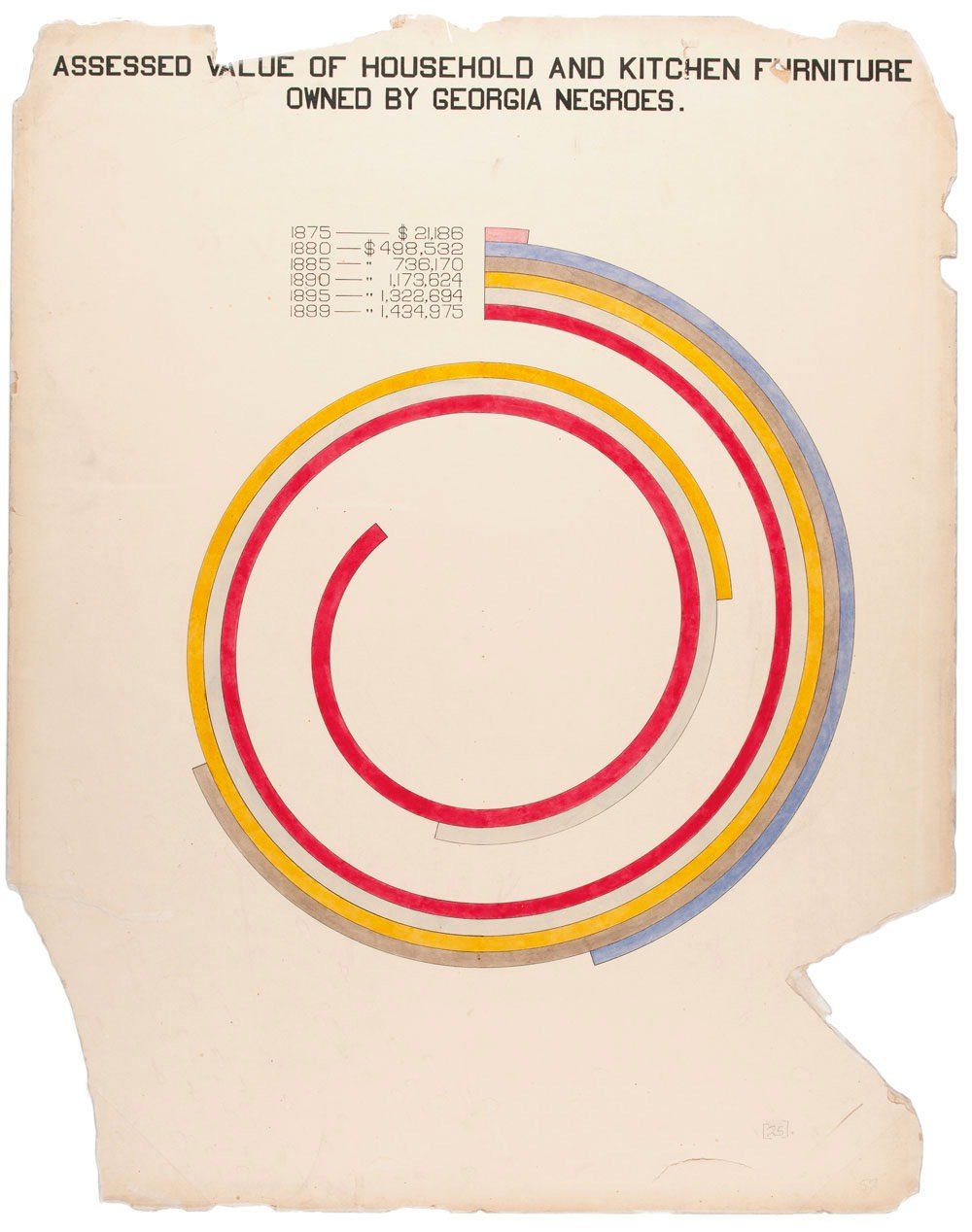
Wish I could get down there to see these…
For an exhibition entitled DEATH TO THE LIVING, Long Live Trash now on view at the Brooklyn Museum, artist Duke Riley takes trash that he’s collected on the beach and turns it into art — think mosaics made from bottle caps, bread bag clips, and tampon applicators. But his plastic scrimshaw creations are absolute genius:
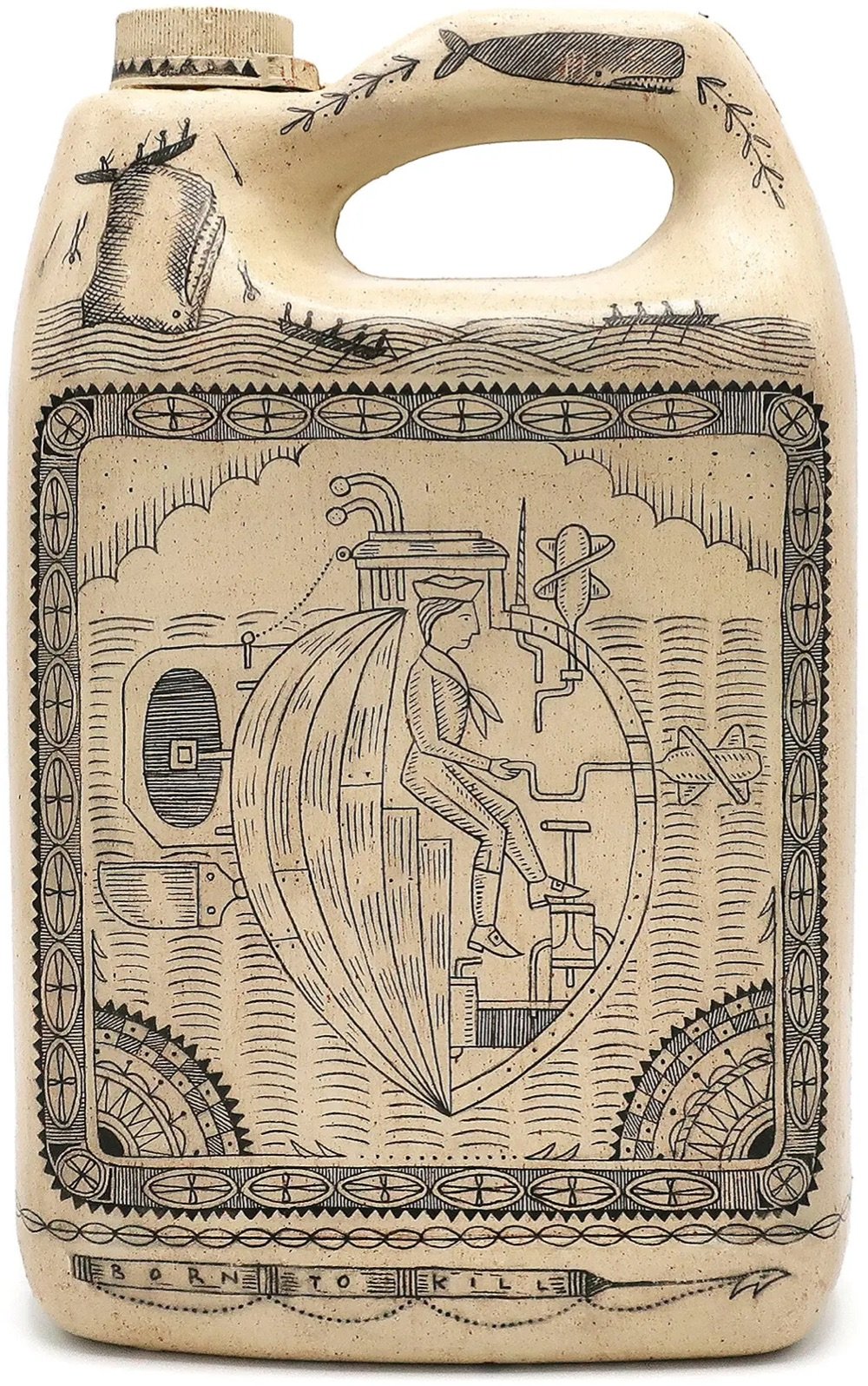

Scrimshaw art was made by whalers in the 19th century by carving designs into the teeth, bones, and baleen of whales. Riley has cleverly adopted the practice using aesthetically similar white plastics, producing a series he calls the Poly S. Tyrene Maritime Museum. The NY Times:
As whalers often depicted the leaders and profiteers of their day, Riley portrays the C.E.O.s of chemical companies, plastic industry lobbyists and others he deems responsible for producing the devastating tonnages of single-use plastics that are engulfing our oceans and threatening our ecosystems. It’s a downer, but if you look closely there’s often a Riley twist of humor, like the seagull shown relieving itself on the head of a water bottle magnate.
You can see a few more of the plastic scrimshaw objects on the Brooklyn Museum’s Tumblr,at Atlas Obscura, and in-person at the Brooklyn Museum until mid-April. (thx caroline)
After leaving a job at The New Yorker in the wake of his older brother’s death, Patrick Bringley spent 10 years working as a guard at the Metropolitan Museum of Art in NYC. He wrote a book about his experience at the museum, All the Beauty in the World: The Metropolitan Museum of Art and Me (ebook). From a review at NPR:
In the wake of his 27-year-old brother Tom’s death from cancer in 2008, Bringley, two years his junior, gave up a prestigious “high-flying desk job” at The New Yorker, where “they told me I was ‘going places,’” for a job in which “I was happy to be going nowhere.” He explains, “I had lost someone. I did not wish to move on from that. In a sense I didn’t wish to move at all.”
Drawn to “the most straightforward job I could think of in the most beautiful place I knew” — a job that promised room to grieve and reflect in the wake of his loss — Bringley arrived at the Met in the fall of 2008. He explains his state of mind when he pivoted toward this union position for which he donned a cheap, blue, polyester uniform and received an allowance of $80 a year for socks: “My heart is full, my heart is breaking, and I badly want to stand still a while,” he writes.
From a piece in the New Yorker in which Bringley tours his old stomping grounds:
He answered an ad in the Times and went to an open house. “They tell you the hours” — for beginners, twelve hours on Fridays and Saturdays and eight hours on Sundays — “and half the people leave,” he recalled. After a week of training (“Protect life and property, in that order,” he was told), he joined the Met’s largest department: some five hundred guards, who work in rotating “platoons.” Bringley spent the next decade at the museum, and has now written a guard’s-eye memoir, “All the Beauty in the World,” detailing a job that is equal parts dreamy, dull, and pragmatic. “You can spend an hour deciding to learn about ancient Egypt, or look around at people and write a short story about one in your head,” he explained.
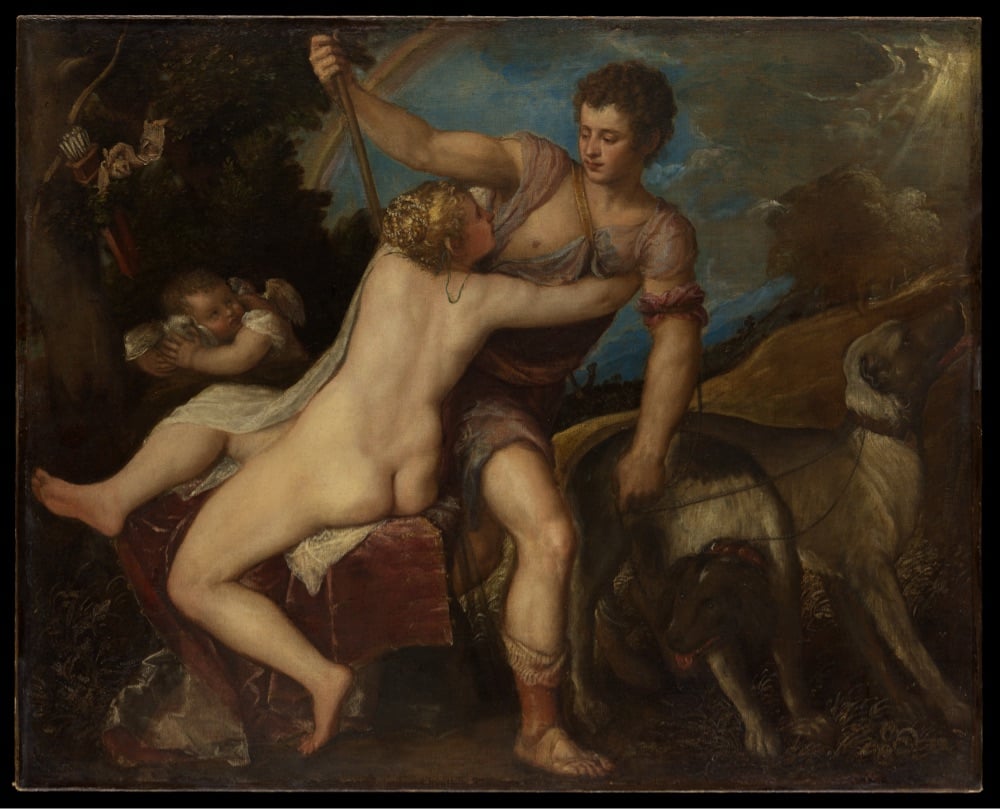
Bringley’s website has a page that lists all the art he mentions in the book, with links to each artwork on the Met’s website. I love this sort of thing from authors — it’s where I found the image at the top of the page: Titian’s Venus and Adonis. You can also book a tour of the museum with Bringley.
The Greek government and activists have long been calling for the return of the Parthenon Marbles from the British Museum to Greece. But how did the marbles get to Britain in the first place?
In the early 19th century, a British lord named Elgin removed a significant portion of the remaining marble decoration and statuary from The Parthenon in Athens and brought it back to Britain. To cover his debts, he sold the marbles to the British government and they eventually made their way into the British Museum. In the video above, Evan Puschak provides more detail about how it all went down.
For its part, the British Museum isn’t budging, although their official stance on the matter seems defensive, almost like they know they’re on thin ice, morally speaking. It’s long past time the marbles were repatriated and they should just get it over with already.
Update: This is interesting from David Allen Green: the return of the Parthenon Marbles isn’t up to the British Museum.
The fourth point is that the current legislation does make it difficult-to-impossible for the museum to dispose (to use the legal word) of the marbles as it wishes, either by returning them to Greece or otherwise.
An elaborate legal basis could, perhaps be provided, but — on balance — one suspects an English court would rule such a disposal as unlawful.
This means this is not a matter solely for the trustees of the museum (as I explain here).
For the marbles to be returned properly to Greece would require a change in primary legislation, which in turn means it has to have government support (or at least no government opposition).
(via someone I can’t remember but thank you!)

Wow! A forthcoming exhibition at Amsterdam’s Rijksmuseum will bring together 28 of the 37 known paintings by Dutch master Johannes Vermeer, including The Girl with a Pearl Earring. As the museum’s website says: “Never before have so many Vermeers been brought together”.
The exhibition will include masterpieces such as The Girl with a Pearl Earring (Mauritshuis, The Hague), The Geographer (Städel Museum, Frankfurt am Main), Lady Writing a Letter with her Maid (The National Gallery of Ireland, Dublin) and Woman Holding a Balance (The National Gallery of Art, Washington DC).
Works never before shown to the public in the Netherlands will include the newly restored Girl Reading a Letter at the Open Window from the Gemäldegalerie Alte Meister in Dresden.
This page lists all of the works that will appear in the exhibition — you can click on the title of any of the artworks to see a zoomable high-resolution image of the painting, e.g. The Milkmaid or Girl Reading a Letter at an Open Window.
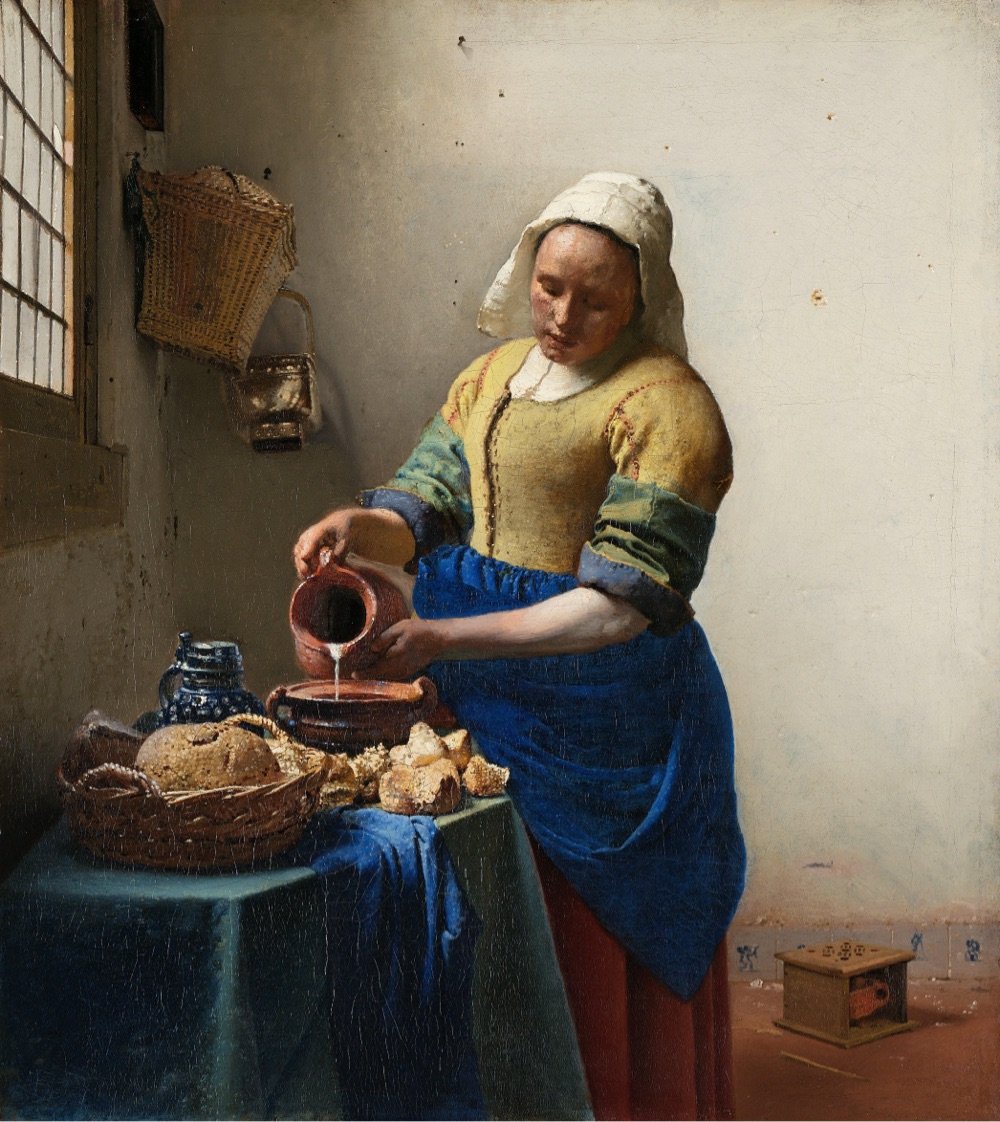
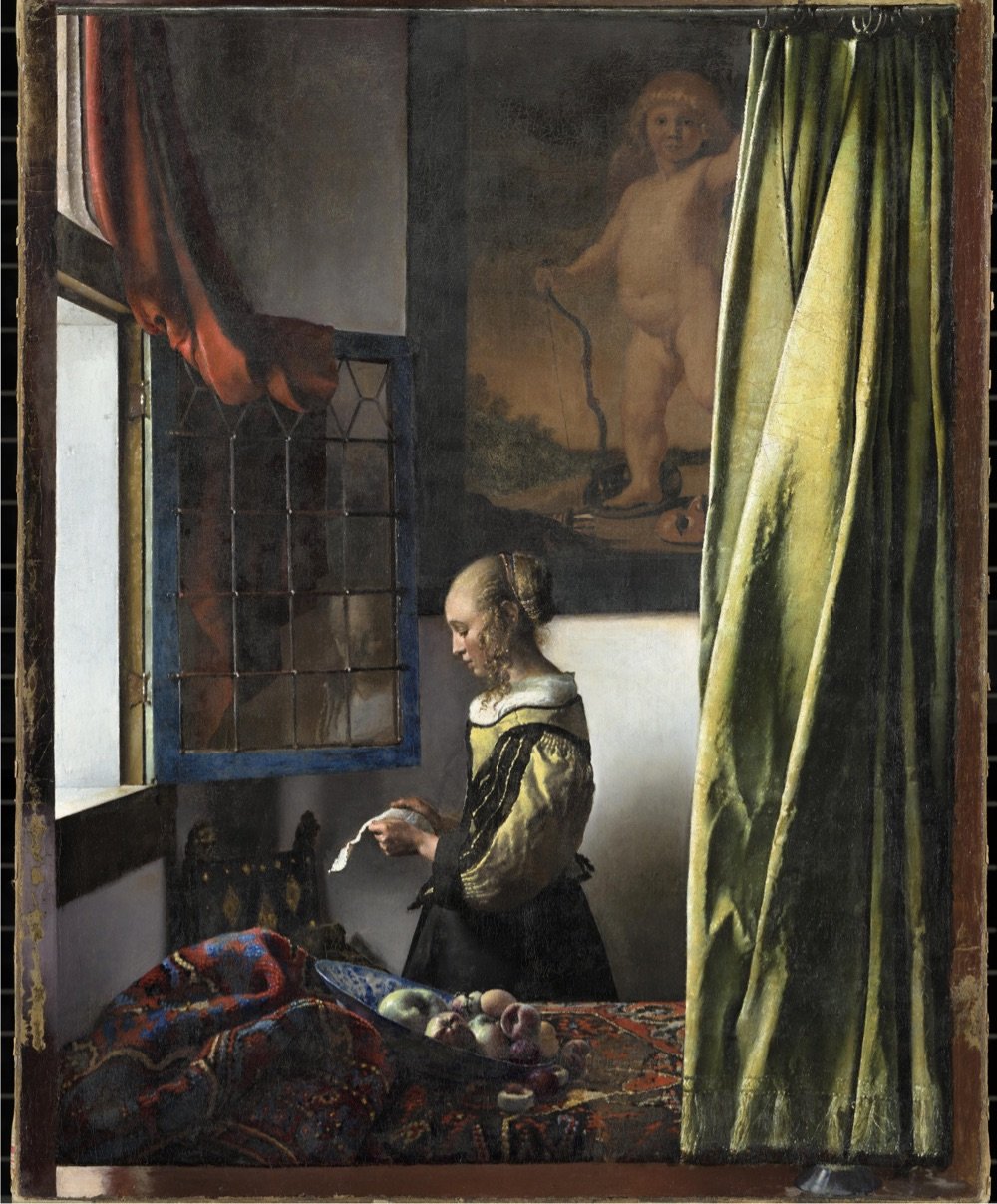
Accompanying the exhibition is an online guided tour of Vermeer’s works, narrated in English by Stephen Fry. The History Blog raved about the tour:
This is one of the best virtual exhibitions I have ever seen, and I have seen a lot of them. It is written in a personable, light-hearted style that still manages to be incredibly information-rich. The way they zoom into the detail of the paintings to illustrate the commentary is flawlessly paced and takes full advantage of the ultra-high resolution photographs. Fry explains changes Vermeer made based on the most recent imaging and research into his process. There are also annotated areas of each painting which you can click on for a shot of additional information. The notes open in windows that have click-through images, so every note is really multiple notes. Then when you’re done exploring the nooks and crannies, you click back to the main tour and the narration picks up where you left off. Whoever designed this is a content management genius, seriously.
The exhibition runs at the Rijksmuseum from February 10 to June 4, 2023 — but note that The Girl with a Pearl Earring will only be available for viewing until March 30, at which point the painting will return to Mauritshuis in The Hague. I….think I might have to get to Amsterdam to go see this?
I just switched my web browser to use the New Tab with MoMA extension. Each new browser tab I open contains another piece of art from MoMA’s collection. Here are a few things that have popped up so far:
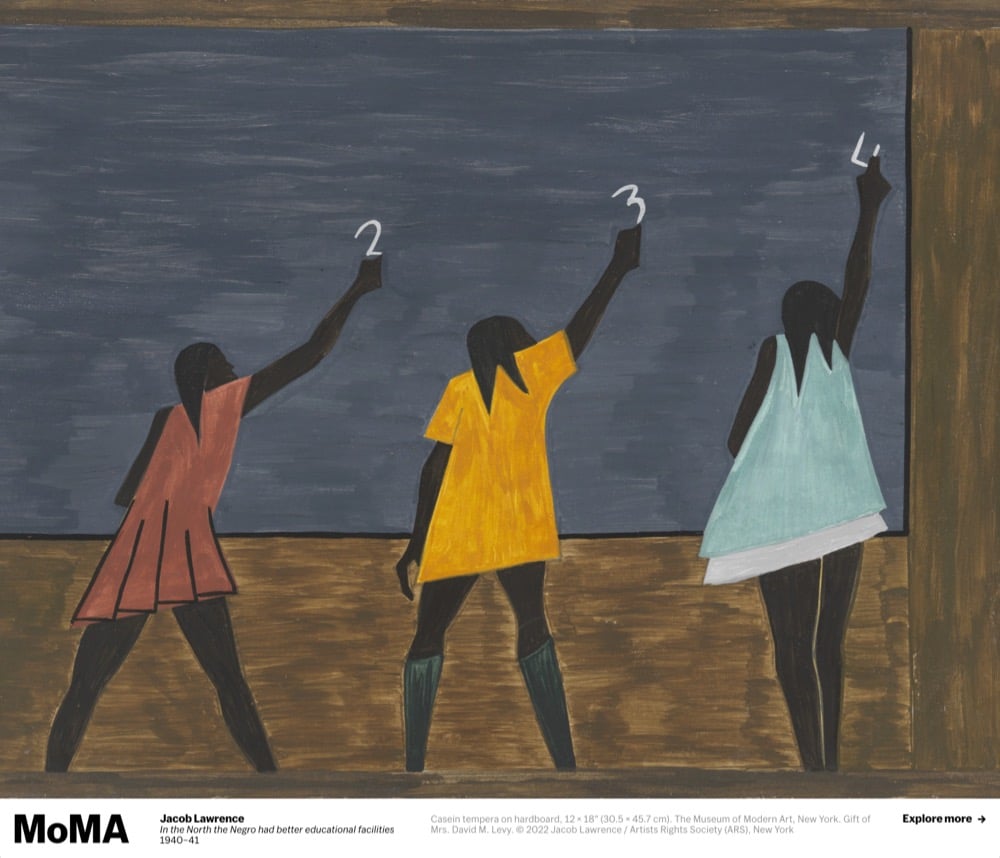
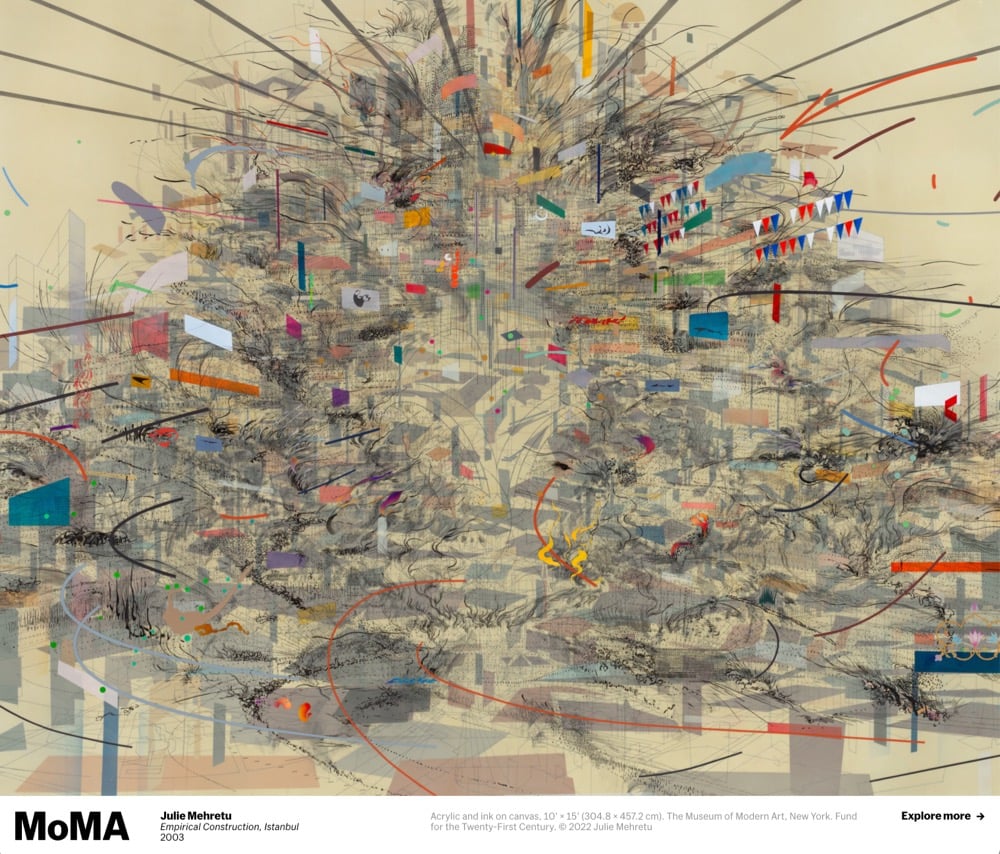
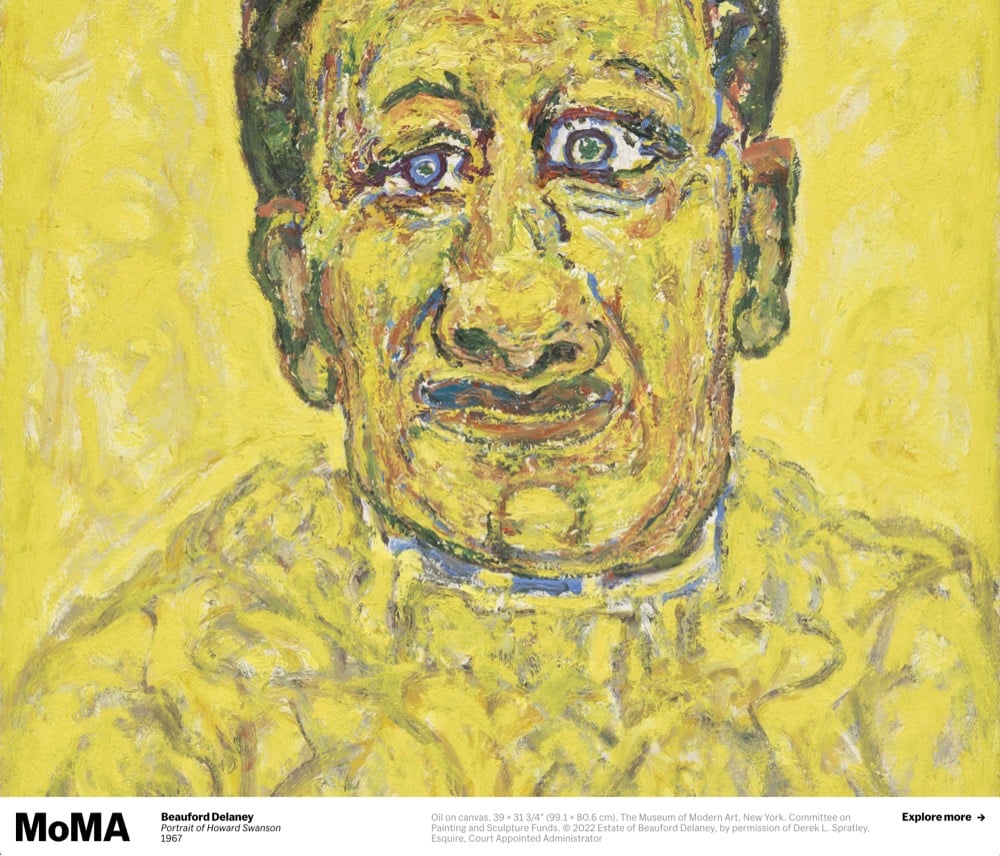
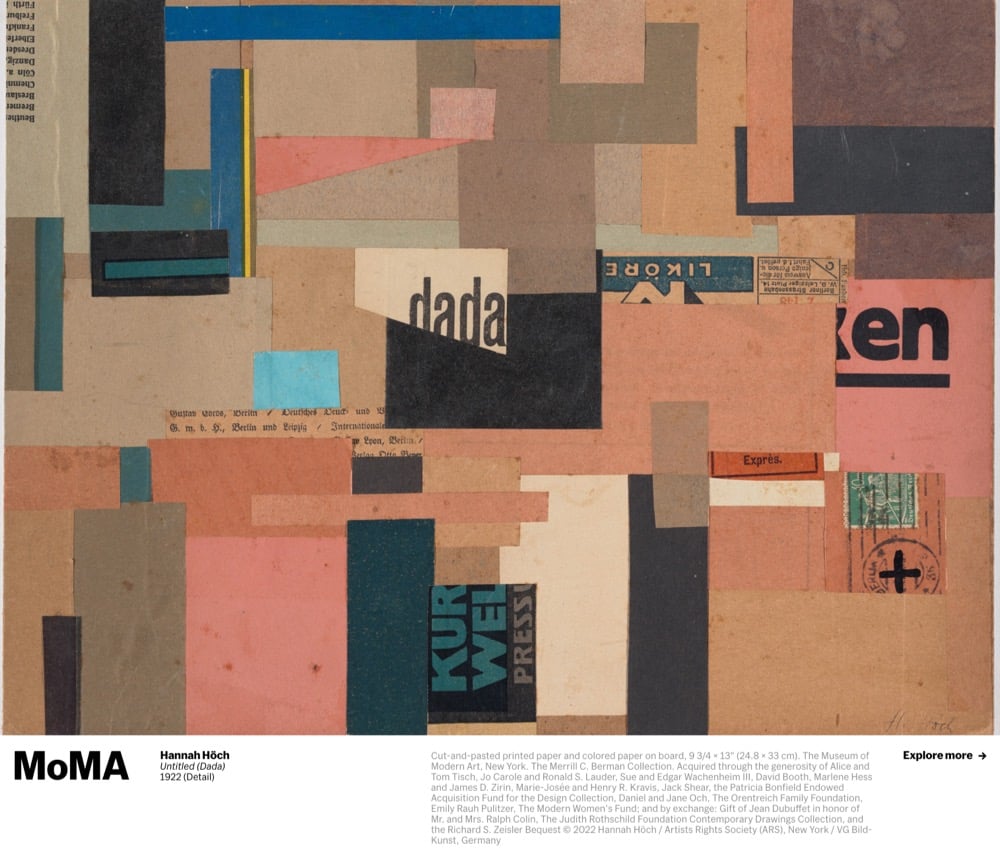
I’m really enjoying this so far…it feels like being in a slow-moving art history class all day long.
Every few months for the past couple of years, I’ve shared the movies, books, music, TV, and podcasts I’ve enjoyed (or not) recently. Here’s everything I’ve “consumed” since early February, accompanied by a mini review.
How To with John Wilson. What happens near the end of the risotto episode got all the attention, but I’m all about the bag of chips saga. (B+)
Black Art: In the Absence of Light. I can listen to artists and critics talk about art all day long. Also? Everyone in this has impeccable eyewear. (A)
Spirited Away. A masterpiece. (A)
Pfizer-BioNTech Covid-19 Vaccine (BNT162b2). Possibly the best experience of the past 5 years. (A+++++)
Casino Royale. The best of the Daniel Craig Bonds IMO. (B+)
The Lying Life of Adults by Elena Ferrante. Another marvelously constructed world with vibrant characters by Ferrante. (A)
Wandavision. A love letter to television. Watched this with the kids and we all loved it. (A)
Looper. This is perhaps my favorite type of movie: clever sci-fi with a creative director and good actors that give a shit. (A-)
Sonic the Hedgehog. Jim Carrey is the highlight here and not much else. (C+)
The Remains of the Day. One of my favorite movies. I’ve watched this every few years since 1993 and what I get out of it changes every time. Great book too. (A+)
Judas and the Black Messiah. Fantastic performances by Daniel Kaluuya and LaKeith Stanfield. (A)
Zack Snyder’s Justice League. Way too long and nearly pointless. This is what happens when you start treating the director of Legend of the Guardians: The Owls of Ga’Hoole like an auteur. (B-)
A Promised Land by Barack Obama. I recommend the audiobook version of this. You can really tell the bits of the book he cares about and the stuff he phones in a little bit more. The tone of his voice when he talks about Michelle — that love is real. (B+)
Making Sense — The Boundaries of Self. I listened to this conversation with the poet David Whyte at the beginning of March and it was exactly what I needed to hear at that time. I must have listened to his short essay on Friendship about 5 times. (A)
Thunderstruck by Erik Larson. About the invention of the wireless telegraph and the beginning of our abundantly connected world. (B+)
Still Processing - The N Word. The way that Morris and, particularly, Wortham use inclusive language is fascinating. They invite people into the conversation without any loss of insight or critical capability. A bracing rebuttal to the idea that using so-called “woke” language is hamstringing discourse in America. (A-)
Matilda by Roald Dahl. Read this aloud to the kids and was told my rendition was not nearly as good as Kate Winslet’s. (B+)
You’re Wrong About (The continuing OJ saga). This has become the show’s version of Nicholson Baker’s The Mezzanine, with entire episodes dedicated to explaining mere minutes of the trial. I am here for it. (A)
Godzilla vs. Kong. I watched this after eating an edible and I think that’s the perfect way to do it. Monsters, roar! (B)
Star Trek VI: The Undiscovered Country. One of my favorite Trek movies. (A-)
The Falcon and the Winter Soldier. Less popular with me and the kids than Wandavision. Occasionally fun but also kind of a mess, especially when it comes to the “moral of the story”. (B)
The Talk Show with Craig Mod. Every single second of this 2.5-hour-long conversation between Craig Mod and John Gruber felt like it was created specifically for me. (A-)
Rough Translation - Liberté, Égalité, French Fries… And Couscous. A follow-up to a classic episode about a French McDonald’s that was commandeered by its employees. (B+)
Unstoppable. The perfect movie. I wouldn’t change a thing. (A)
Pac-Man 99. A nice update to this venerable game. The kids dismissed it as “too hectic”. (B+)
Fortnite. The perfect game for introverts — you can actually win by cleverly avoiding crowds and then dealing with a much more manageable 1-on-1 situation. But also I am old and there are too many buttons on this controller. (B+)
Croupier. Young Clive Owen, wow. (B+)
HazeOver. Recommended to me by Mike Davidson, this macOS app dims background windows to help you focus on your work. (B+)
Titanic. Had to rewatch after Evan Puschak’s video about it. Still an amazingly effective blockbuster movie. (A)
For All Mankind (Season One). So many people have recommended this to me over the past year and I finally got around to watching it. I was hooked within the first 5 minutes. (A)
The Mitchells vs. The Machines. Entertaining and stylistically interesting. (B+)
NYC. So much to say about this city and the resilience of the people who call it home. Still undefeated. (A)
Throughline — The Real Black Panthers. Great podcast on the political agenda and strategy of the Black Panther Party. A natural companion to Judas and The Black Messiah. (A)
Frick Madison. They have like 10% of the world’s Vermeers in just one room! (B+)
The Whitney. Great to be back here to see the work of Dawoud Bey and Julie Mehretu. (A)
The outdoor dining situation in NYC. The city has to keep this and the pandemic pedestrian areas reclaimed from cars. More room for people, less room for cars. (A)
Fairfax. This is the sister restaurant to my two favorite places in NYC, both of which closed permanently because of the pandemic, and the first restaurant I’ve been to since March 2020. We ate outside, I had too many cocktails, and it was perfect. (A+)
Past installments of my media diet are available here.
After months of lockdown and closure due to the pandemic, Desus Nice & The Kid Mero go to the Met Museum in NYC to take in some art. Would 100% take a tour of any art museum with these two astute cultural commentators.
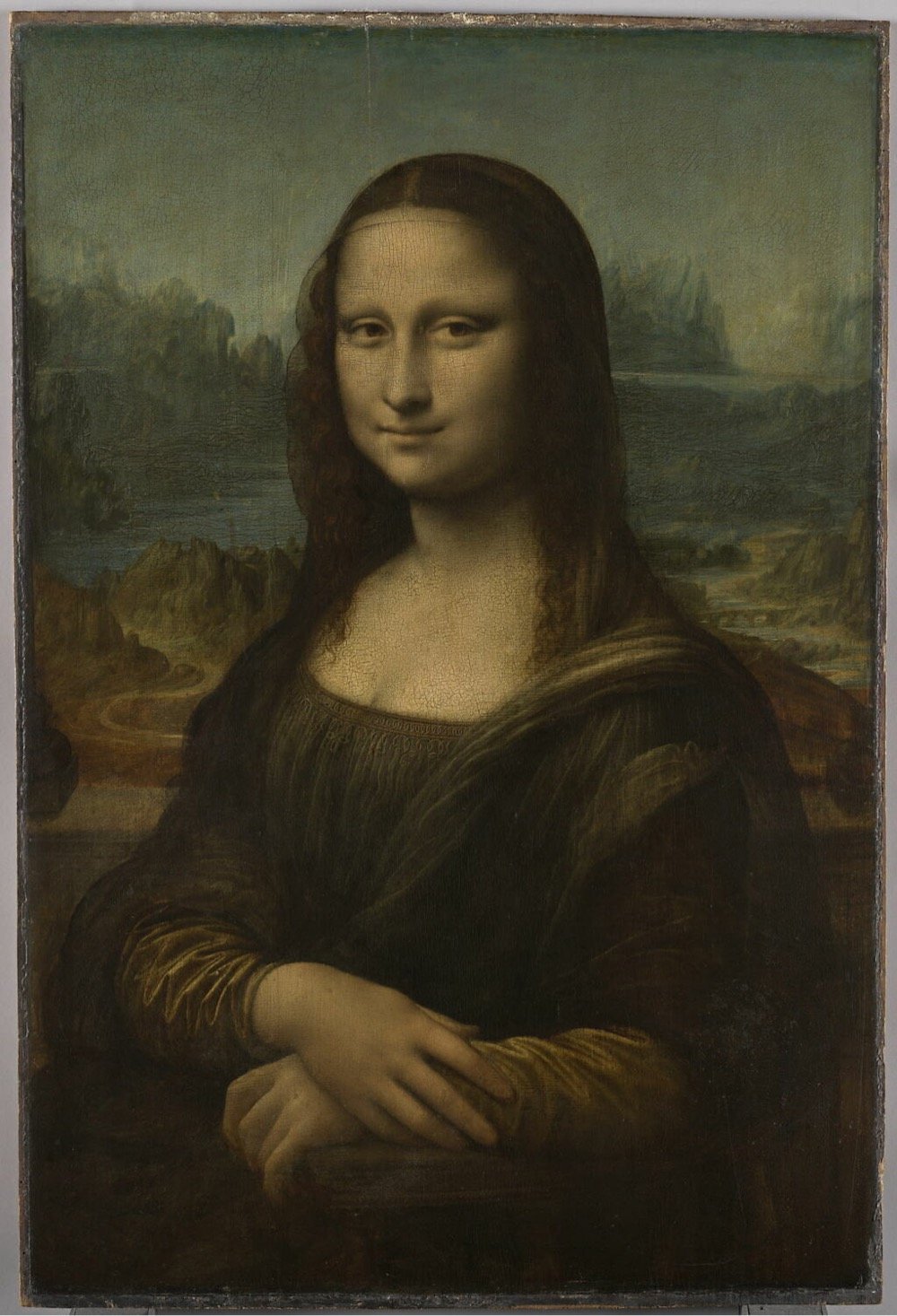
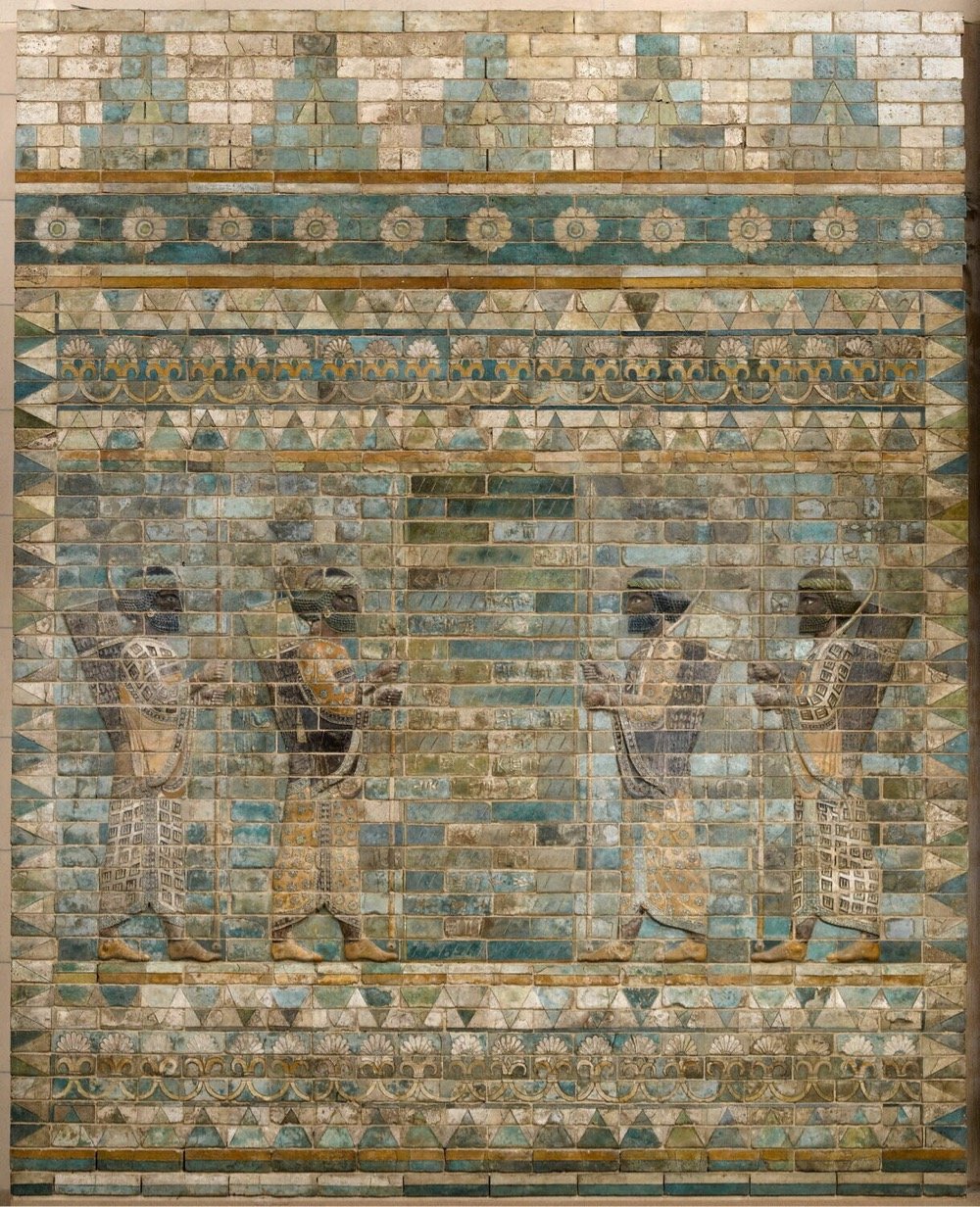
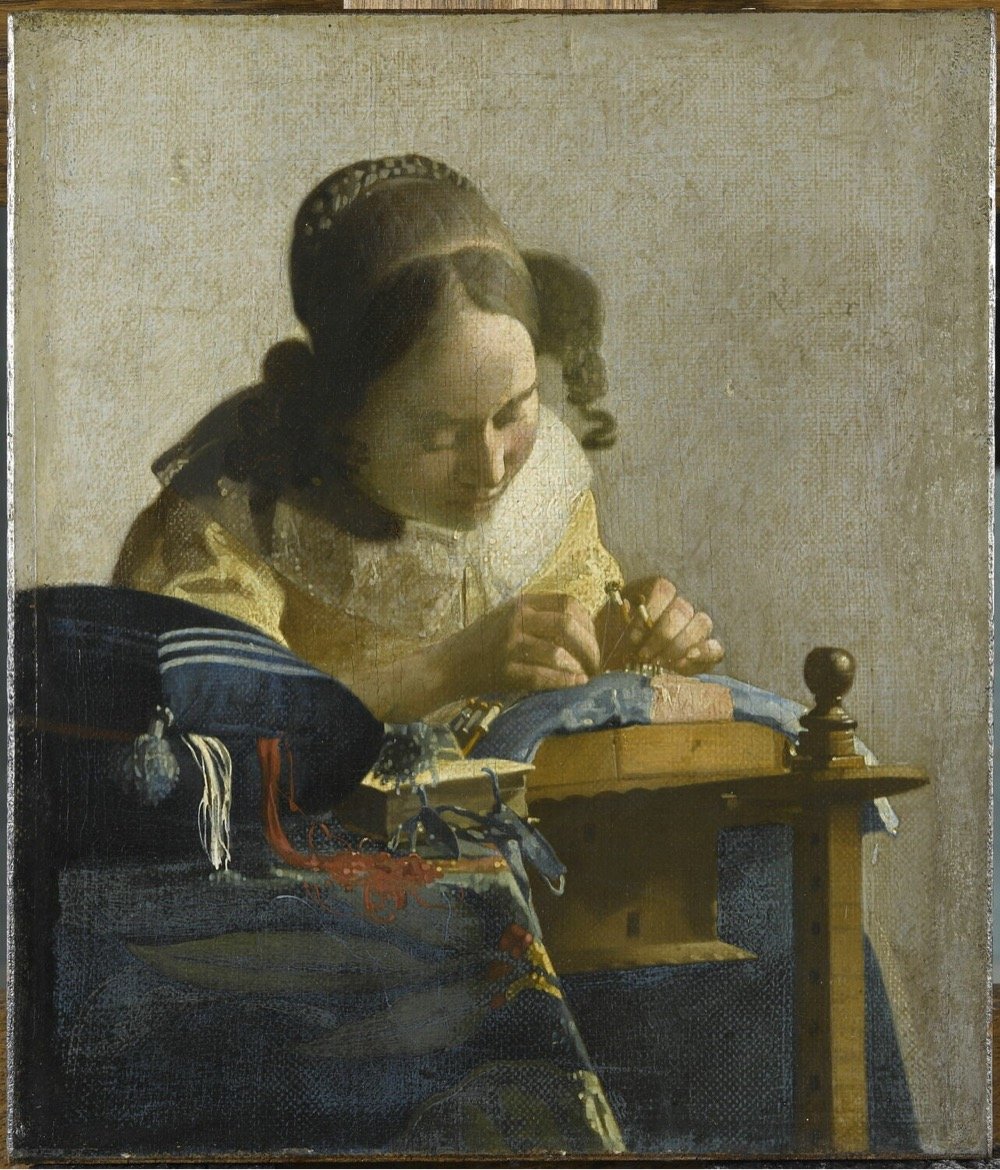

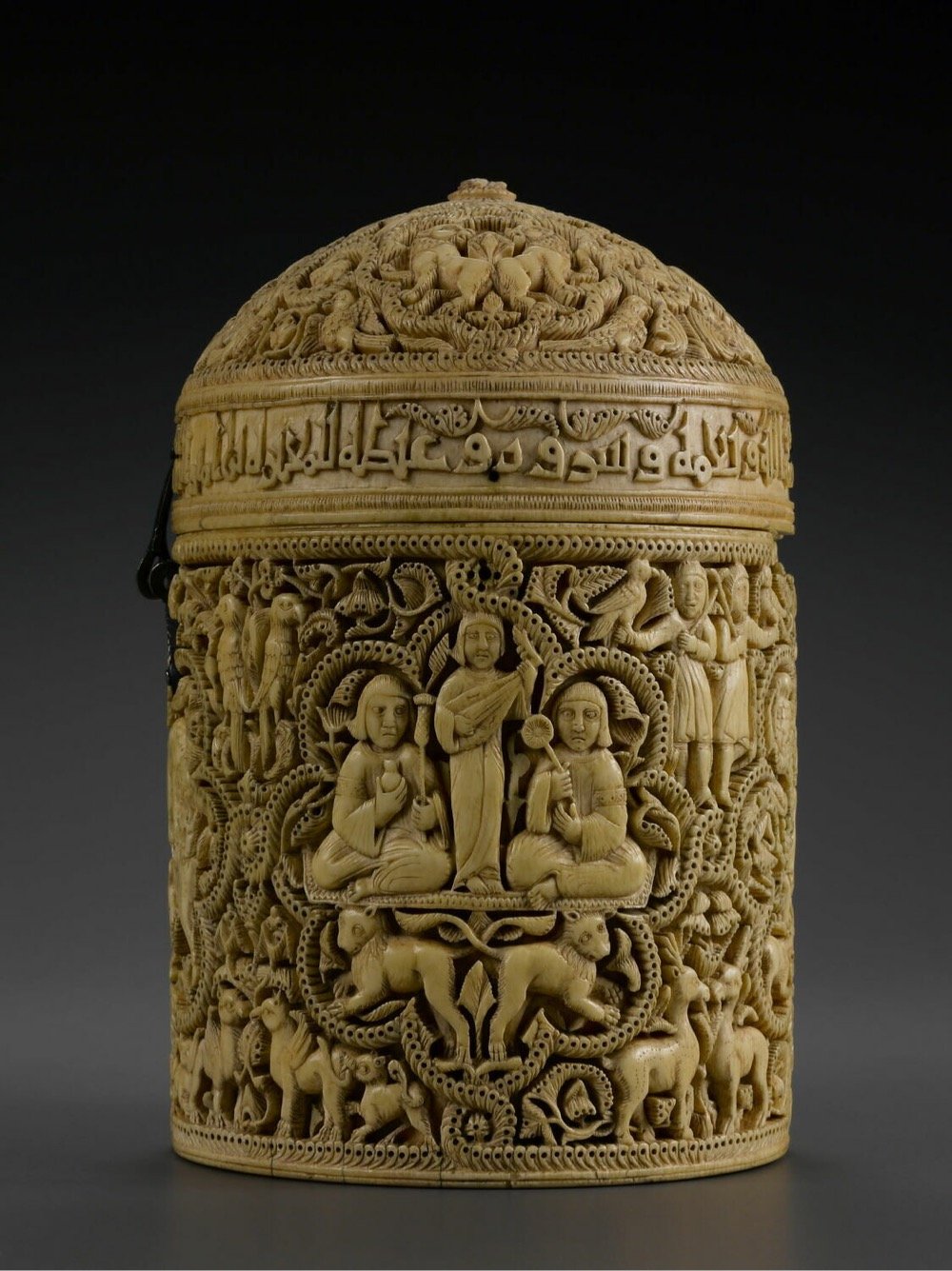
Late last week, the Louvre announced that it had put its entire collection online, over 482,000 works in all.
Designed for both researchers and curious art lovers, the collections.louvre.fr database already contains more than 482,000 entries, including works from the Louvre and the Musée National Eugène-Delacroix, sculptures from the Tuileries and Carrousel gardens, and ‘MNR’ works (Musées Nationaux Récupération, or National Museums Recovery) recovered after WWII and entrusted to the Louvre until they can be returned to their legitimate owners. For the first time ever, the entire Louvre collection is available online, whether works are on display in the museum, on long-term loan in other French institutions, or in storage.
With so many works, where to start? Try these “playlists” created by the museum, e.g. Masterpieces of the Louvre or Major Events in History. Or try the search function and find, for instance, all of the museum’s works by Leonardo da Vinci or Élisabeth Louise Vigée Le Brun (one of the very few women whose art is on display at the museum).

For the past few years, I’ve been keeping track of everything I read, watch, listen to, and experience in my media diet posts. As a media diet wrap-up, here’s the most compelling content & experiences from 2020, stuff that helped stimulate and sustain me in a year of isolation and pandemic.
Portrait of a Lady on Fire. This was the final movie I saw in a theater before the pandemic hit; I chose well. Not a week has gone by this year that I didn’t think about some aspect or another of this film.
You’re Wrong About. By far my favorite episodic podcast. The joy with which the hosts delight each other with insights and humorous asides is the engine that drives the show. Literally my only complaint: I wish they hadn’t changed the theme music.
The Queen’s Gambit. Seems like everyone watched this miniseries this fall and I loved it just as much as anyone.
The Rain Vortex at Singapore’s Changi Airport. An enchanting oasis in the middle of an airport indicative of Singapore’s incorporation of natural elements into urban spaces.
MASS MoCA. For my birthday, I treated myself with a road trip to this superb museum. The Sol LeWitt, James Turrell, and Jenny Holzer exhibitions alone were worth the trip. I sorely miss museums.
Ted Lasso. Mister Rogers’ Neighborhood + Major League. Who knew you could make radical empathy funny? Everyone I’ve recommended this show to has loved it.
The Land That Never Has Been Yet from Scene on Radio. An essential series on American democracy. Like, do we even have one? It’s hard to choose, but the episode on how the libertarianism of the contemporary Republican Party was the result of a deliberate campaign by just a few people that increasingly came to dominate American politics is my favorite.
Carol. I remember liking this back when it came out, but my rewatch a couple of months ago was a revelation. A remarkable, sparkling film.
Caste by Isabel Wilkerson. Wilkerson has a gift for finding new ways for her readers to think about entrenched systems and behaviors.
Devs. This show got neglected a little in the end-of-year lists because of an early-in-the-pandemic release, but it was one of my top 2-3 shows this year.
The Great. I really enjoyed this Hulu show as I watched it and it’s grown in my esteem in the months since. It’s one of the first shows I recommend when friends ask what I’ve been watching lately. Huzzah!
Nintendo Switch. To distract themselves from the pandemic, did America spend more hours playing video games or watching TV? I did both. Mario Kart 8, Super Mario 35, Rocket League, Fortnite, Minecraft, Among Us, and all the old NES games were popular in our household this year.
Conversations with Friends by Sally Rooney. I found reading difficult for most of the year — I only finished three books in the past 10 months. But this one I couldn’t put down; finished it in two days.
Exhalation by Ted Chiang. Perfect little stories expertly told. Don’t miss the endnotes, where Chiang reveals where the ideas for each of his stories came from.
AirPods Pro. The best augmented reality device yet devised — the music feels like it’s actually in your head more seamlessly than ever before.
Little Women. Fantastic casting, performances, and direction. Waiting patiently for whatever Gerwig does next.
My Brilliant Friend (season 2) & Normal People. I didn’t think anyone could effectively adapt either of these authors, but somehow the shows nearly equalled the books.
The Splendid and the Vile by Erik Larson. Everything from Larson is great and this book about the Battle of Britain and the triumph of leadership resonated throughout this pandemic year.
Future Nostalgia. I listened to this more than anything else in 2020. Also notable because IMO there are no skippable songs on this album.
Tomidaya shoyu ramen. This tiny ramen shop in the Little Tokyo section of Saigon is supposed to closely resemble Japan shops. One of the best bowls I’ve ever had.
The Mandalorian. I was lukewarm on season one but loved season two. Of all the recent Star Wars things, this show best channels the sometimes goofy/campy magic that made the original movie so compelling.
The image above is an overhead view of my home office, where all the kottke.org magic happens.
Forgive me reader, for I have been lazy. It’s been 7 months since I’ve shared a list of the movies, books, music, TV, and podcasts that I’ve been watching/reading/listening to, uh, recently. But I’ve been diligently keeping track1 and so here’s everything I’ve consumed since early May. Warning: soooo much TV and soooo many movies (and bad ones at that) and very few books. At the end of most days — after work, parenting, cooking yet another meal I’m not actually in the mood for, and constantly refreshing Instagram — I just don’t have enough left in the tank for books. (Oh, and as usual, don’t pay too much attention to the letter grades!)
Winds of Change. A fun ride but ultimately kind of empty? (B)
How to Be an Antiracist by Ibram X. Kendi. Perhaps not what you’d expect going in — thought-provoking on almost every page. (A)
The Ezra Klein Show — Madeline Miller. Super interesting, especially if you’ve read Song of Achilles or Circe. (A-)
Godzilla. This was sort of the tail end of my pandemic disaster movie film fest. (C+)
Fetch the Bolt Cutters. I love that this exists but it is not for me. (B-)
The Mirror & the Light by Hilary Mantel. I knew it was coming, Thomas Cromwell’s downfall; it’s historical fact after all. But somehow the actual moment shocked me, despite Mantel’s careful foreshadowing over hundreds of pages. (A)
Normal People. No way in hell was this going to be as good as the book, but they somehow did it. Stellar casting. (A-)
Fleabag Live. I wanted to love this like I loved the TV show but could not get into it. (C+)
Star Wars: The Rise of Skywalker. Whatever else you might think about the third SW trilogy, the casting was fantastic. (B+)
Partysaurus Rex. One of my favorite Pixar shorts. (A-)
Iron Man 3. The only MCU movie I hadn’t seen. It was…fine? (B)
Dunkirk. A masterpiece. (A)
Arrival. Another masterpiece. (A)
Kursk. This should have been better. (B)
Harry Potter at Home. My kids and I listened to this in the car and loved it. (A-)
Watchmen. After admitting I’d stopped watching after a few episodes, several of you urged me to keep going. I finished it but still was not as dazzled as everyone else seemed to be. Maybe if I’d read the graphic novel? (B+)
Against the Rules with Michael Lewis (season two). This season was all about coaching and may have been even better than the first season. (A-)
The General. A silent film masterpiece from Buster Keaton. The kids were a little bored at first but ultimately loved it. (A-)
The Endless. Solid sci-fi horror. (B)
13th. A powerful argument that slavery is still constitutionally legal and alive & well in the United States. (A)
Ida. Beautiful film. (B+)
The Last Dance. I grew up watching and rooting for Jordan and the Bulls, so this was the perfect nostalgic entertainment. Jordan comes off as both more and less of a dick than I remember. (A-)
Da 5 Bloods. This was a mess. (C+)
Undone. Inventive animated sci-fi with plenty of plot left for season two. (B+)
Celebrate Your Body (and Its Changes, Too!): The Ultimate Puberty Book for Girls by Sonya Renee Taylor. Borrowed this from my daughter to brush up on how to help her approach some changes coming down the pike. (A-)
Beyond Meat. I snuck some of their ground “beef” into a casserole to try it out and see if the kids would notice. They didn’t at first, but once I told them, the three of us agreed that it was not that tasty — and definitely didn’t taste like beef. Plus I had an upset stomach until noon the next day. (C-)
Knives Out. I enjoyed this much more the second time. (A-)
Honeyland. A maddening microcosm of modernity. (A)
The Conversation. Maybe this hit me on an off-night? (B+)
The Great. Super fun show from the screenwriter of The Favourite. (A-)
Hamilton. Obviously better in person (and 4 years ago), but the performances and music are so great it doesn’t matter. (A)
Slate Money — Modern Monetary Theory. Really interesting alternate way of thinking about the economy, federal debt, inflation, and taxes. They kinda jumped right into the middle of it though, leaving this interested MMT beginner a little baffled. (B)
12 Monkeys. So very 90s. Brad Pitt is great in this though. (B+)
Cloud Atlas. An underrated gem. (A)
The Old Guard. Engaging and built for a sequel. But what isn’t these days? (B+)
Cars 2. I’d only ever seen the first 2/3s of this because my then-4-year-old son was so upset that the onscreen baddies were going to kill Lightning McQueen that we had to leave the theater. (B-)
Nintendo Switch. Such a fun little console that doesn’t take itself too seriously. (A-)
Greyhound. Not Hanks’ best effort. (B)
Radioactive. An overly complicated movie about a complex woman. (B+)
Ratatouille. The scene where Ego takes his first bite of ratatouille still gives me goosebumps. (A)
The Speed Cubers. Heartwarming story. (B+)
Project Power. Incredible that they were able to turn the story of Henrietta Lacks into a superhero movie. (B+)
Pluto TV. Am I the last person on Earth to find out about this app? Dozens of channels of reruns that you can’t pause and are interrupted by ads, just like old school TV. I’ve been watching far too much old Doctor Who on here. (B+)
Folklore. I don’t really get Taylor Swift and that’s ok. (C)
This Land. Excellent and infuriating — this had me yelling at my car radio. (A)
13 Minutes to the Moon — Apollo 13. Not as good as season one about Apollo 11 or Saving Apollo 13, but still compelling. (B+)
Black Panther. Had to rewatch. Rest in peace, Chadwick Boseman. What a loss. (A-)
Conversations with Friends by Sally Rooney. Anything she writes, I will read. (A)
Master and Commander: The Far Side of the World. I had forgotten how slow this starts, but once it gets going it’s completely gripping, even the quiet parts. (A-)
Contact by Carl Sagan. First time I’d read this in many years. Did not resonate as much as it had in the past. (B+)
Contact. They should have sent a poet. (A-)
True Grit. Hailee Steinfeld is fantastic in this. (A)
Being John Malkovich. Terrific performance by Malkovich. This was a favorite movie of mine for years but its impact on me has lessened. (B+)
Reply All, Country of Liars. The origin story of QAnon. But let’s just say there are some unreliable narrators in this story. (B+)
Jurassic Park. A blockbuster masterpiece. (A)
50 First Dates. One of the very few Sandler comedies I really like. (B+)
I’m Thinking of Ending Things. Really did not vibe with this one. (C+)
Pride & Prejudice. I am a huge sucker for this film. (A)
MASS MoCA. Took a day trip down here back in October. My first museum since Feb. Sol LeWitt, James Turrell, Jenny Holzer, great building, virtually no one here on a weekday — very much worth the 6-hour RT car ride. (A+)
Palm Springs. Groundhog Day + 50 First Dates. (A-)
Kona Honzo. After getting a taste of mountain biking on a borrowed bike, I upgraded to this hardtail. Had some really great rides on it but also stupidly crashed, landed on my face, had to go to the ER, and got 9 stitches on my chin. Would not recommend crashing (stupidly or otherwise, but especially stupidly), but I liked mountain biking enough to get back on the bike a couple of weeks later. (A-)
My Octopus Teacher. As I said previously: “It’s such a simple movie but it packs a surprising emotional wallop and is philosophically rich. Even (or perhaps especially) the bits that seem problematic are thought-provoking.” (A)
His Dark Materials. I like the show but the main character is so irritating that I don’t know if I can keep watching… (B+)
You’re Wrong About — Princess Diana. I never fully understood the appeal of Princess Diana but now I do. Excellent 5-part series. (A)
Human Nature. Documentary on Netflix about the discovery and potential of Crispr. (B+)
The Booksellers. Was ultimately not that interested in this. (B)
Ted Lasso. Mister Rogers’ Neighborhood + Major League. Who knew you could make radical empathy funny? (A+)
The Queen’s Gambit. So well done in almost every way. (A)
Haywire. Solid Soderbergh thriller. (B+)
Enola Holmes. I will watch almost any Sherlock Holmes adaptation, riff, or spin-off. (B+)
The Trial of the Chicago 7. I loved this. Classic Sorkin and great ensemble cast performance. (A)
Zama. Maybe surrealist film is not my cup of tea. (B)
AlphaGo. I’d read a lot about the events in this film, but seeing it play out was still gripping and surprising. This and My Octopus Teacher would make a great double feature about the shifting definition of what makes humans human. (A)
The Way I See It. Pete Souza reflects on his proximity to power. (B+)
The Queen. Had to watch this after the Princess Di You’re Wrong About series. (B+)
Lego Star Wars Holiday Special. Is this canon now? If so, I have some questions. (C)
Carol. Holy shit, wonderful! I think I held my breath for the last two minutes of the movie. (A+)
Song Exploder. TV version of the OG podcast. The REM episode was great. (B+)
Rogue One. I wouldn’t call this the best Star Wars movie, but it isn’t not the best Star Wars movie either. (A-)
Little Women. Rewatched. I love this movie. (A)
Tenet. Primer + James Bond. Maybe the pandemic has made me dumber, but this totally confused me. In a bad way — it could/should have been simpler. (B)
Caste by Isabel Wilkerson. A masterful examination of the skin color-based caste system of the United States, compared and contrasted with the caste systems of India and Nazi Germany. (A)
Past installments of my media diet are available here.
The British Museum contains hundreds of contested items, the spoils of the British Empire’s reach (and smash n’ grab) across the globe. Some of the museum’s most popular and prized items are included: the Parthenon Marbles, the Rosetta Stone, and the Benin Bronzes. The countries from which these artifacts were taken are increasingly asking for their return.
Some of the world’s greatest cultural and historical treasures are housed in London’s British Museum, and a significant number of them were taken during Britain’s centuries-long imperial rule. In recent years, many of the countries missing their cultural heritage have been asking for some of these items back.
Benin City in Nigeria is one of those places. They’ve been calling for the return of the Benin Bronzes, hundreds of artifacts looted in 1897 when British soldiers embarked a punitive expedition to Benin. Many are now housed in the British Museum.
And it’s just the beginning. As the world reckons with the damage inflicted during Europe’s colonial global takeover, the calls for these items to be returned are getting louder and louder.
See also this piece from the NY Times: This Art Was Looted 123 Years Ago. Will It Ever Be Returned?
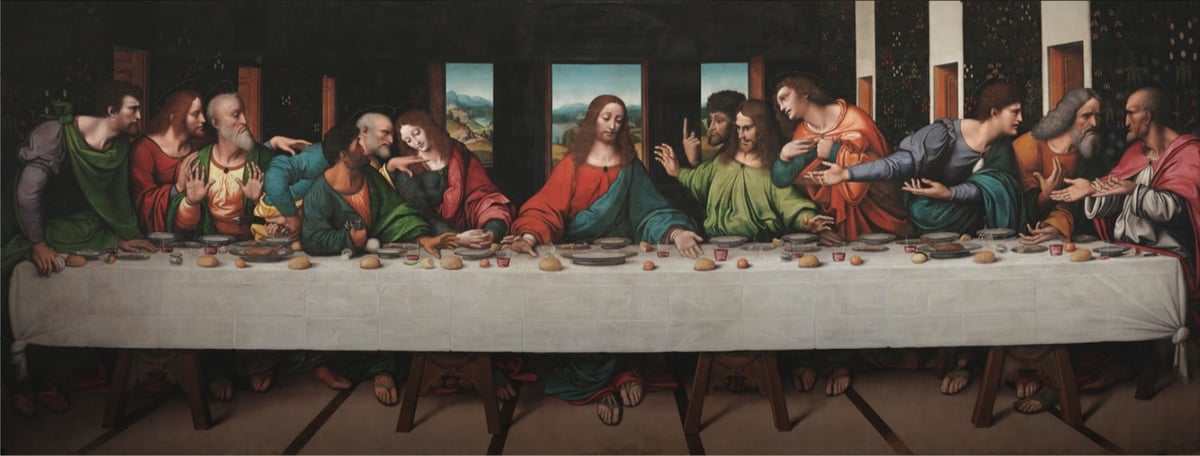
The Royal Academy of Arts and Google teamed up on a high-resolution scan of a copy of Leonardo da Vinci’s The Last Supper painted by his students. Even though the top part of the original is not depicted, this copy is said to be “the most accurate record of the original” and since the actual mural by Leonardo is in poor shape, this copy is perhaps the best way to see what Leonardo intended.
This version was made around the same time as Leonardo made his original. It’s oil paint on canvas, whereas Leonardo’s was painted in tempera and oil on a dry wall — an unusual use of materials — so his has flaked and deteriorated badly. It probably didn’t help that Napoleon used the room where the original hung as a stable during his invasion of Milan.
A zoomable version is available here. The resolution on this scan is incredible. The painting is more than 26 feet wide and this is the detail you can see on Jesus’ downcast right eye:
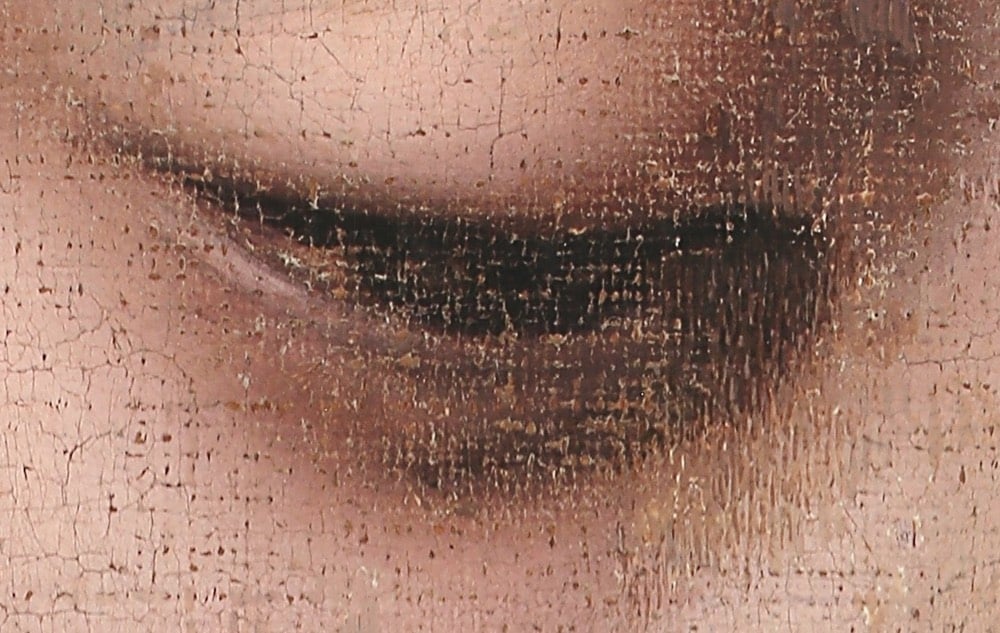
Wow. You can compare this painting to a high-resolution image of the original on the Haltadefinizione Image Bank or Wikimedia Commons. And you can learn more about the copy and how it relates to the original on the Royal Academy website.
The genius of Leonardo’s composition is much clearer in the RA copy. The apostles are arranged into four groups of three and there are many subtle interactions between the figures. Leonardo believed that gestures were very important in telling the story. He explained that the power of his compositions were such that “your tongue will be paralysed with thirst and your body with sleep and hunger before you depict with words what the painter shows in a moment”.
There are many elements in the copy which are more distinct that the original, such as the figure of Judas clutching his money bag and knocking over the salt. The landscape beyond the windows with its valleys, lakes and paths is well preserved in the copy, but has almost disappeared in the original. Leonardo’s use of colour was was greatly admired, but in the original the colours are very faded — Saint Simon on the extreme right clearly wears a pink cloak, but this is not visible in the original.
(via open culture)
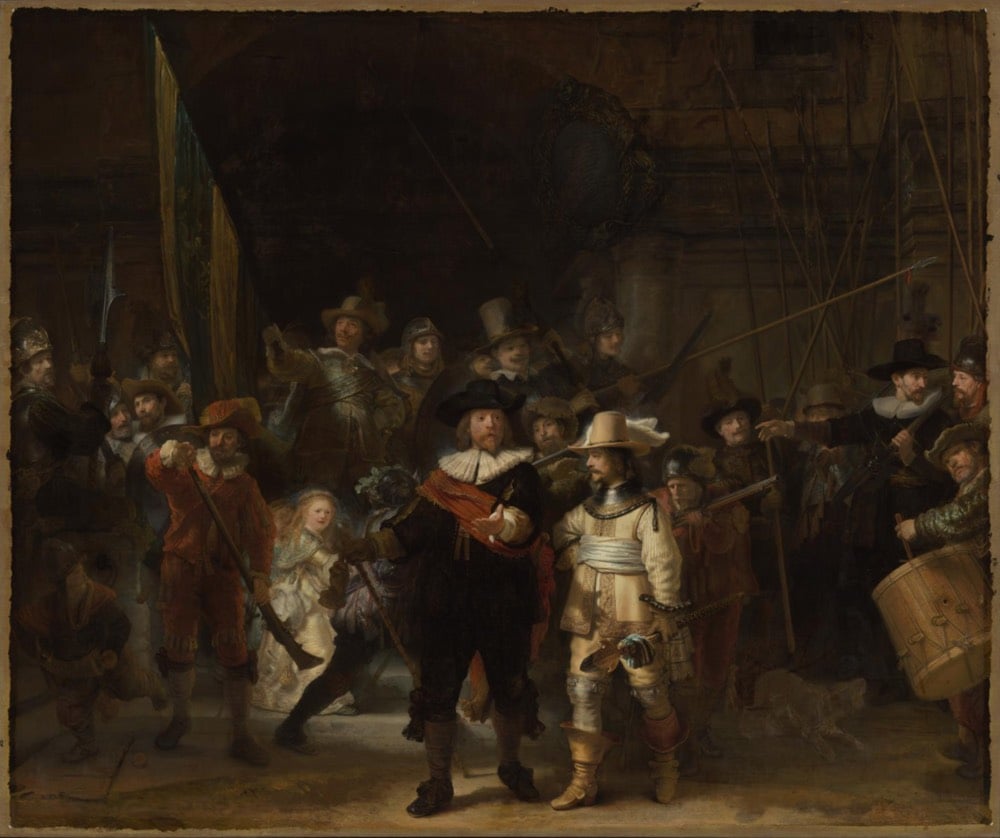
One of Rembrandt van Rijn’s most iconic paintings The Night Watch is currently undergoing restoration at the Rijksmuseum in Amsterdam. As part of the effort, the team took hundreds of photographs of the Dutch master’s painting and stitched them together into a massive 44.8 gigapixel image, which they have released online in a zoomable interface. The level of detail available here is incredible. Here’s the max zoom level on the right eye of the gentleman in the middle, the captain of the company that paid Rembrandt to do the painting:
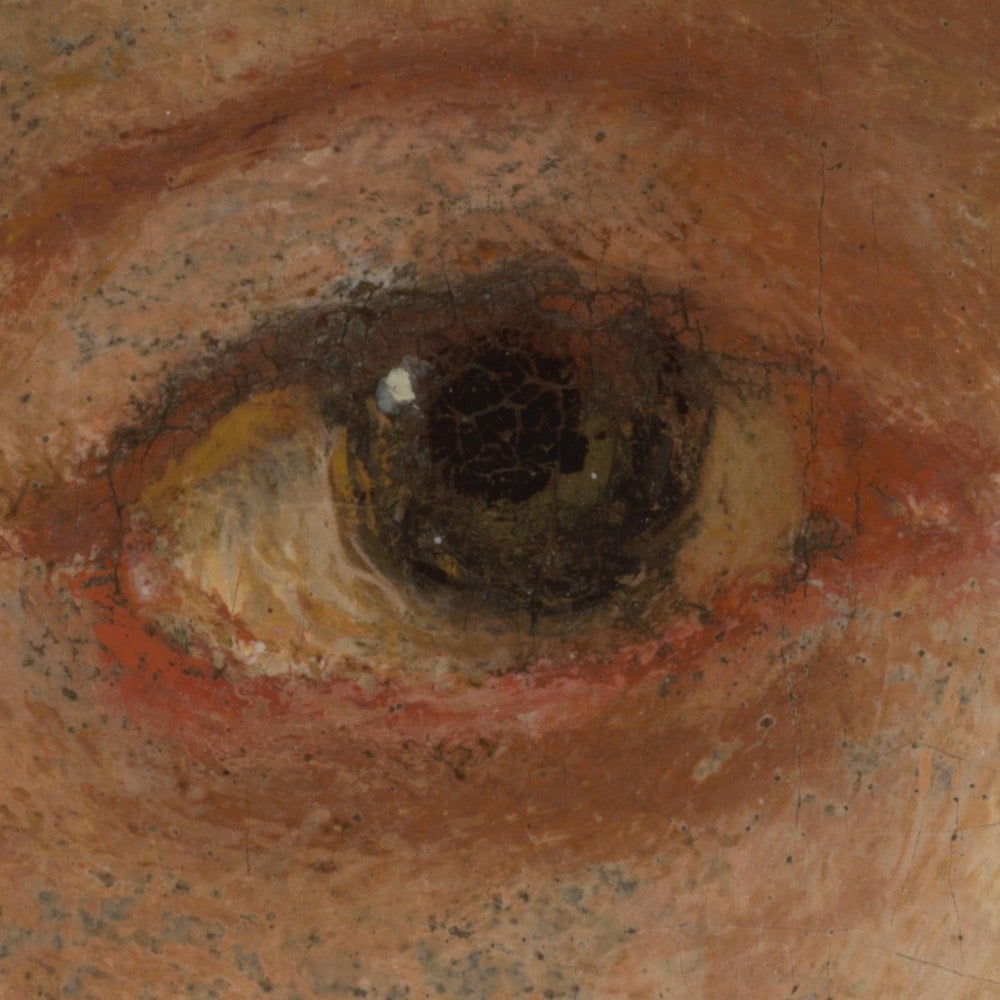
Crazy right? You can see the brushstrokes better than if you were standing in front of the actual painting in the museum.
The Rijksmuseum’s imaging team led by datascientist Robert Erdmann made this photograph of The Night Watch from a total of 528 exposures. The 24 rows of 22 pictures were stitched together digitally with the aid of neural networks. The final image is made up of 44.8 gigapixels (44,804,687,500 pixels), and the distance between each pixel is 20 micrometres (0.02 mm). This enables the scientists to study the painting in detail remotely. The image will also be used to accurately track any future ageing processes taking place in the painting.
Ok, I told you a little fib just now. Actually, this is his eye at the true maximum zoom level:
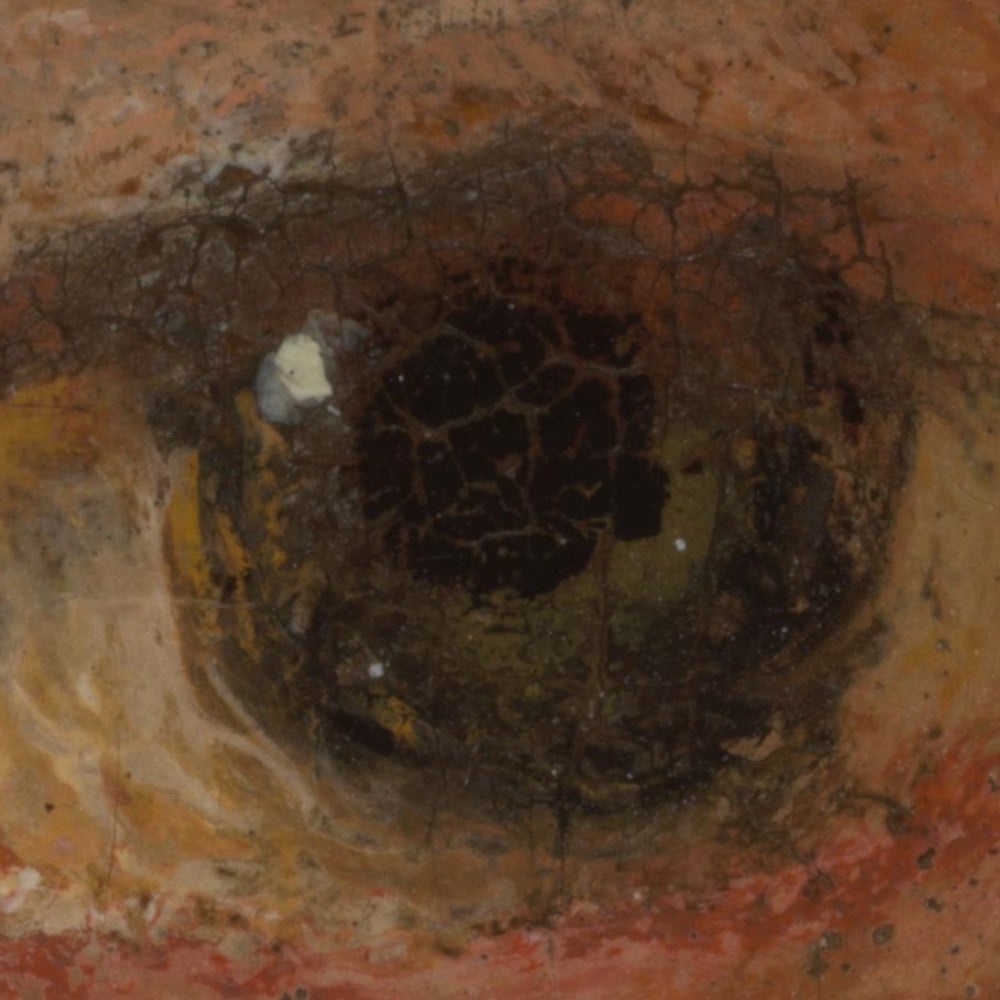
Each pixel is 0.02mm across — and keep in mind that this painting is almost 12 feet high and more than 14 feet across. An astounding level of detail and a gigantic image.
Older posts



Socials & More