kottke.org posts about Russia
Timur Fatkullin is a Ukrainian flying ace who uses his acrobatic flying skills honed before the war to shoot down Russian drones.
When I fly close to the target, I can’t engage because there’s houses or infrastructure underneath. So we keep flying, keeping it in the searchlight, in the spotlight. And we’re not even, because it’s like 200 kilos target and we’re six tons, and it’s black Shahed in the black night. But from my aerobatics, I brought formation flying. You have to be professional, you have to be confident, practice a lot, anticipate a lot, and trust completely each other. There’s no other way. So these skills help enormously, and with this aircraft, we can stay in the air up to 4.5 hours. It’s my devotion, not just to my country, but to aviation. That’s the truth.
As you can see in this video from the NY Times, planes like these shoot the drones down using low-fi techniques: with machine guns mounted in the planes’ doorways.
One of the drone-hunting pilots, who are civilian volunteers: “Standing aside and doing nothing is impossible. For our team, it’s impossible.”
And from a different perspective, here’s a WSJ video profile of a Ukrainian drone pilot:
Here’s a straightforward description of Trump’s “ambush” of Volodymyr Zelenskyy from Heather Cox Richardson:
Today, President Donald Trump ambushed Ukraine president Volodymyr Zelensky in an attack that seemed designed to give the White House an excuse for siding with Russia in its war on Ukraine. Vice President J.D. Vance joined Trump and Zelensky in the Oval Office — his attendance at such an event was unusual — in front of reporters. Those reporters included one from Russian state media, but no one from the Associated Press or Reuters, who were not granted access.
In front of the cameras, Trump and Vance engaged in what Josh Marshall of Talking Points Memo called a “mob hit,” spouting Russian propaganda and trying to bully Zelensky into accepting a ceasefire and signing over rights to Ukrainian rare-earth minerals without guarantees of security. Vance, especially, seemed determined to provoke a fight in front of the cameras, accusing Zelensky, who has been lavish in his thanks to the U.S. and lawmakers including Trump, of being ungrateful. When that didn’t land, Vance said it was “disrespectful” of Zelensky to “try to litigate this in front of the American media,” when it was the White House that set up the event in front of reporters.
Unlike many media outlets reporting on this, Richardson ties this into a previous attempt by Trump to negotiate with Zelenskyy, which ended in Trump’s first impeachment:
Zelensky came across Trump’s radar screen when, in July 2019, Trump tried to force Zelensky to say he was opening an investigation into Hunter Biden in order to smear Biden’s father Joe Biden before the 2020 election. Only after such an announcement, Trump said, would he deliver to Ukraine the money Congress had appropriated to help Ukraine fight off Russia’s 2014 invasion.
Zelensky did not make the announcement. A whistleblower reported Trump’s phone call, leading to a congressional investigation that in turn led to Trump’s first impeachment. Schiff led the House’s impeachment team.
Talking Points Memo similarly did not mince words: Trump And Vance Ambush Zelensky In Prelude To Betrayal.
President Donald Trump and Vice President J.D. Vance moved to betray a key U.S. ally that has lost hundreds of thousands of people in fending off a Russian invasion on Friday, taunting Ukrainian President Volodymyr Zelensky at an Oval Office meeting after spending weeks trying to undermine the bilateral relationship.
The Oval Office blowup, in which Trump and Vance berated Zelensky as ungrateful while dismissing the prospect that Russian President Vladimir Putin might renege on a potential ceasefire agreement, is a culmination in a weeks-long campaign to choreograph an end to U.S. support for Ukraine.
It occurs to me after reading about the meeting that Trump’s actions here are partially motivated by a desire for personal retribution against Zelenskyy for not helping him smear Biden in 2019. Zelenskyy told Trump no and Trump wants revenge — and he’s gonna turn his back on Ukraine and Europe to get it.
Trump just kicked Ukrainian President Volodymyr Zelenskyy out of the White House after berating him for being “disrespectful” in the Oval Office.
The astonishing turn of events could scramble international affairs in Europe and around the globe. During his visit with Trump, Zelenskyy had planned to sign the deal allowing the U.S. greater access to Ukraine’s rare earth minerals, then hold a joint news conference.
Instead, Ukraine’s leader left the White House shortly after Trump shouted at him, showing open disdain. Untouched salad plates and other lunch items were being packed up outside the Cabinet room, where the lunch between Trump and Zelenskyy and their delegations was supposed to have taken place.
The White House said the Ukraine delegation was told to leave.
“You’re gambling with World War III, and what you’re doing is very disrespectful to the country, this country that’s backed you far more than a lot of people say they should have,” Trump told Zelenskky.
My god, Trump and Vance are just total fucking assholes. The US is openly aligning themselves with Russia against Ukraine and Europe, a major shift in international relations that dates back to the 1940s. I am so embarrassed to be an American right now.
Update: The NY Times has some key excerpts from the meeting in the White House.
Vance: And do you think that it’s respectful to come to the Oval Office of the United States of America and attack the administration that is trying to prevent the destruction of your country?
Zelensky: A lot of questions. Let’s start from the beginning.
Vance: Sure.
Zelensky: First of all, during the war, everybody has problems, even you. But you have nice ocean and don’t feel now, but you will feel it in the future.
Trump: You don’t know that.
Zelensky: God bless, you will not have a war.
Trump: Don’t tell us what we’re going to feel. We’re trying to solve a problem. Don’t tell us what we’re going to feel.
Zelensky: I’m not telling you.
Trump: Because you’re in no position to dictate that. Remember this: You’re in no position to dictate what we’re going to feel. We’re going to feel very good.
Zelenskyy’s English is obviously not super strong but Trump sounds like a 4-year-old in full “you’re not the boss of me” mode here. So glad he has control of America’s armed forces and nuclear arsenal!
Writing from Ukraine on his way to the front in the country’s war with Russia, Timothy Snyder muses about the differences in life & freedom on the Ukrainian & Russian sides of the war’s front line.
Yet, on this, the Ukrainian side of the line, people lead completely different lives than under Russian occupation or in Russia. Ukrainians say what they want, including about the war and about politics. Journalists cover the war and write about politics. There is fear, although less than you might think; but it is fear of bombs and missiles and violence from Russia, not of denunciations or oppression or of one’s own government. I have the strange feeling, this week in Kyiv, that Ukrainians are living freer lives now than Americans. At a book store where I was talking to a Ukrainian philosopher about freedom, a young woman put her hand on my arm and said “sorry about the U.S.”
Snyder then goes on to wonder if the United States is now headed towards a similar line:
I have in mind something deeper: the transformation of our public and private lives. As in Russia, we have let local newspapers and local media die. As in Russia, their place was taken by a few commercial operations. As in Russia, the media are owned by oligarchs, who then become close to government or submit to it (not all of the media in America, of course, are submitting, but far too many are). As in Russia, our daily lives are flooded by such a rushing river of contradictory lies that we have trouble knowing where we are, let alone what we should do. As in Russia, a president supported by oligarchs and their media power is trying to humiliate the other branches of government. The executive is seeking to marginalize the legislature — forever — by ruling without passing laws. The executive is seeking to marginalize the judiciary — forever — by ignoring court rulings. Those things, of course, have already happened in Russia.
This passage made my stomach drop:
As I close my tablet and go to sleep, I am safer than every single one of you reading this in the United States, and indeed safer than I would be in the United States. My train will stop in five hours. But America will keep hurtling.
It’s a great, provocative piece; read the whole thing.
In a piece called The Chilling Consequences of Going Along With Trump, Russian exile M. Gessen outlines the five different types of arguments used by people & institutions when they engage in “anticipatory obedience” (aka, obeying in advance). For example:
The second argument is the higher-purpose argument, which is a close cousin of collective hostage-taking. In 2012, during the winter when more than 150,000 Russians protested against rigged elections and Putin’s intention to assume the presidency for a third term, a popular actress, Chulpan Khamatova, broke ranks with the liberal intelligentsia and came out in support of Putin. Khamatova had co-founded an organization that helped children with cancer. She faced some criticism but said, “If it meant that another hospital was built, I would do the same thing again.” Her dignity was, after all, a small price to pay for saving children’s lives.
I suspect that some American hospital administrators who are discontinuing trans care for young people are using similar logic: To serve their patients, they must protect their federal funding — even if this means that they stop serving another group of patients.
The New Yorker has some excerpts of Alexei Navalny’s diary from the last 2 years of his life, taken from his forthcoming memoir, Patriot.
2022, January 17th.
Exactly one year ago today I came home, to Russia.
I didn’t manage to take a single step on the soil of my country as a free man: I was arrested even before border control.
The hero of one of my favorite books, “Resurrection,” by Leo Tolstoy, says, “Yes, the only suitable place for an honest man in Russia at the present time is prison.”
It sounds fine, but it was wrong then, and it’s even more wrong now.
There are a lot of honest people in Russia-tens of millions. There are far more than is commonly believed.
The authorities, however, who were repugnant then and are even more so now, are afraid not of honest people but of those who are not afraid of them. Or let me be more precise: those who may be afraid but overcome their fear.
There are a lot of them, too. We meet them all the time, in all sorts of places, from rallies to the media, people who remain independent. Indeed, even here, on Instagram. I recently read that the Ministry of the Interior was firing staff who had “liked” my posts. So in Russia, in 2022, even a “like” can take courage.
In every period, the essence of politics has been that a tin-pot tsar who wants to arrogate to himself the right to personal, unaccountable power needs to intimidate the honest people who are not afraid of him. And they, in turn, need to convince everyone around them that they should not be afraid, that there are, by an order of magnitude, more honest people than the mean little tsar’s security guards. Why live your whole life in fear, even being robbed in the process, if everything can be arranged differently and more justly?
The pendulum swings endlessly. Or the tug-of-war. Today you are brave. Tomorrow they seem to have scared you a bit. And the day after tomorrow they have scared you so much that you despair and become brave again.
Two years later, Navalny was dead, murdered by Russia’s leader, dictator Vladimir Putin. I do not think it is hyperbole to read Navalny’s words as a warning, a harbinger of what happens to a country and its people when they come under undemocratic leadership.
Queendom is a documentary film by Agniia Galdanova about queer Russian activist and performance artist Jenna Marvin and her unusual form of protest against the war in Ukraine and Russia’s treatment of LGBTQ+ people. From a short review in the Guardian:
When Russia invaded Ukraine in February last year, some brave souls took to the streets of Moscow to voice their horror at the war, and were met with batons and police brutality. Radical queer performance artist Gena Marvin took a different approach. Wearing platform boots, body paint and wrapped in barbed wire, she walked the streets of Moscow in a stark, silent statement against the war. To call Gena a drag artist fails to capture just how subversive and courageous are her public “performances”. Her otherworldly costumes, created from junk and tape, show the influence of Leigh Bowery; her fearlessness evokes the punk provocation of Pussy Riot.
Marvin’s performances can be intense — check out this video from Paris in 2022. France had just advanced into the semifinals of the World Cup and she went out on the streets dressed in an all-black costume straight out of Alien or Pan’s Labyrinth:
Queendom opens in theaters and will available on streaming on June 14.
In an uncompromising TED Talk from a few days ago, Garry Kasparov warns we must confront “true evil” in the world when we see it, in this case Vladimir Putin and his regime.
Actually, my first article of warning was published in “The Wall Street Journal” on January 4, 2001. I saw evil because I heard evil. Putin was telling us what he was. All we had to do was listen. When Putin said that there was no such thing as a former KGB agent, I knew Russia’s fragile democracy was in danger. When Putin said that the collapse of the Soviet Union was the greatest geopolitical catastrophe of the 20th century, I knew Russia’s newly independent neighbors were at risk. And when Putin talked at the Munich Security Conference in 2007 about a return to spheres of influence, I knew he was ready to launch his plan. It was the language from the Molotov-Ribbentrop Pact, 1939. The language Hitler and Stalin used to divide Europe. And a year later, in 2008, Putin invaded the Republic of Georgia. 2014, Ukraine.
It’s a paradox, isn’t it? Dictators lie about everything they have done, but often they tell us exactly what they’re going to do. Just listen. Anyone who is surprised at Putin’s war crimes in Ukraine must not be aware about his long record, beginning with the Second Chechen War in Grozny more than two decades ago. Vladimir Putin has been a war criminal from the start.
When he was talking about the problem with compromising with authoritarians, I was reminded of a phrase I’ve heard in a couple of different contexts recently: meeting a racist halfway on their views is still racism; meeting a fascist halfway on their views is still fascism. As Rebecca Solnit put it in an article about the 2020 election: “Who the hell wants unity with Nazis until and unless they stop being Nazis?” Meeting a brutal authoritarian halfway, Kasparov is arguing, is still tyranny.
Building on the lessons of World War II, Ukrainians are trying to save their art and other important cultural artifacts from destruction during Russia’s invasion. When an invader repeatedly tries to deny the cultural distinction of a people for decades and even centuries, like Russia has done with Ukraine, saving buildings and statues and paintings can be of great importance.
Because under the 1954 convention, “damage to cultural property means damage to the cultural heritage of all mankind”. So attacks on cultural heritage are a considered war crime. But treaties can only do so much. In the years since, conflicts around the world have rendered immeasurable damage to cultural heritage. A lot of it intentional. Like the Taliban’s destruction of the Bamiyan buddhas. And Isis’ attacks on ancient sites all over Syria.
“That cultural heritage is not only impacted, but in many ways it’s implicated and central to armed conflict. These are things that people point to that are unifying factors for their society. They are tangible reflections of their identity.”
And Putin has made it clear that identity is at the ideological center of Russia’s invasion: “I would like to emphasize again that Ukraine is not just a neighboring country for us. It is an inalienable part of our own history, culture, and spiritual space.”
“He thinks that we don’t really exist and they want to destroy all the signs of our identity.”
BTW, regarding the destruction of the museum that housed works by Maria Prymachenko at the start of the video: according to the Ukrainian Institute, the works were saved from burning by local residents.
In the early 1930s, desiring the bountiful wheat harvests of its farmlands to sell to Europe and wanting to subjugate its people, Soviet dictator Joseph Stalin carried out a genocide in Ukraine that killed millions and hid it behind the guise of food shortages. It’s known as the Holodomor.
In Ukraine, it’s become known as “the Holodomor,” meaning “death by starvation.” It was a genocide carried out by a dictator who wanted to keep Ukraine under his control and who would do anything to keep it covered up for decades.
In the 1930s, Soviet leaders under Joseph Stalin engineered a famine that killed millions as they sought to consolidate agricultural power. In Ukraine, they used additional force as they sought to clamp down on a burgeoning Ukrainian national identity. There, at least 4 million died. As hunger spread among residents, Stalin spearheaded a disinformation campaign to hide the truth from other Soviet citizens and the world. So many Ukrainians died that officials had to send people to resettle the area, setting off demographic shifts that last to this day.
The details of the atrocities committed against the people of Bucha, Ukraine by Russian soldiers are more horrifying than language has words for. Luke Mogelson and photographer James Nachtwey are reporting for the New Yorker from Bucha as loved ones and volunteers try to make sense of the destruction. Note: the descriptions and photos in this piece may be disturbing (but IMO, we cannot turn away from this). This is one of the tamer paragraphs:
On the far side of a stretch of railroad tracks, two elderly women had been killed in their house. One lay in the doorway, another in the kitchen. Both were bundled in heavy winter coats. Neighbors said that they had been sisters, both in their seventies. Their small house was filled with hardcover books, and they did not own a television; it was impossible not to imagine their quiet, literary life together before it was annihilated. In the only bedroom, two narrow mattresses were pushed together and covered by a single blanket.
Update: From the NY Times, Bucha’s Month of Terror.
As the Russian advance on Kyiv stalled in the face of fierce resistance, civilians said, the enemy occupation of Bucha slid into a campaign of terror and revenge. When a defeated and demoralized Russian Army finally retreated, it left behind a grim tableau: bodies of dead civilians strewn on streets, in basements or in backyards, many with gunshot wounds to their heads, some with their hands tied behind their backs.
This is really good: Arnold Schwarzenegger recorded a message, subtitled in both English and Russian, directed at the Russian people (and briefly, Vladimir Putin) about the war in Ukraine. It’s a canny piece of media by an exceptional communicator — drawing on his obvious respect for the people of Russia and his father’s experience as a German soldier in World War II, Schwarzenegger tells Russian citizens that they’ve been lied to about the war by their leadership, that most of the world is against their actions, and warns them about the consequences of being economically and socially isolated from the rest of the world.
This is not the war to defend Russia that your grandfather or your great grandfathers fought. This is an illegal war! Your lives, your limbs, your futures are being sacrificed for a senseless war condemned by the entire world.
After Russia invaded the country, Ukraine’s post office (Ukrposhta) decided to hold a contest to design a stamp that illustrated “Ukrainians’ determination to defend their land”. Out of 500 submissions, Ukrposhta chose 20 designs as the finalists.
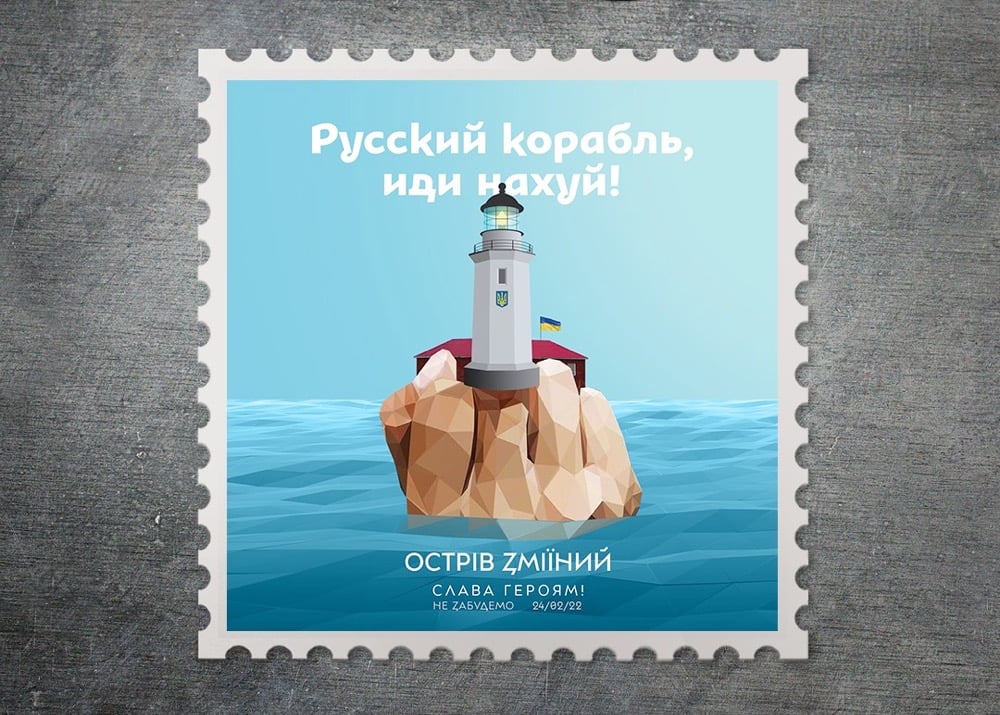
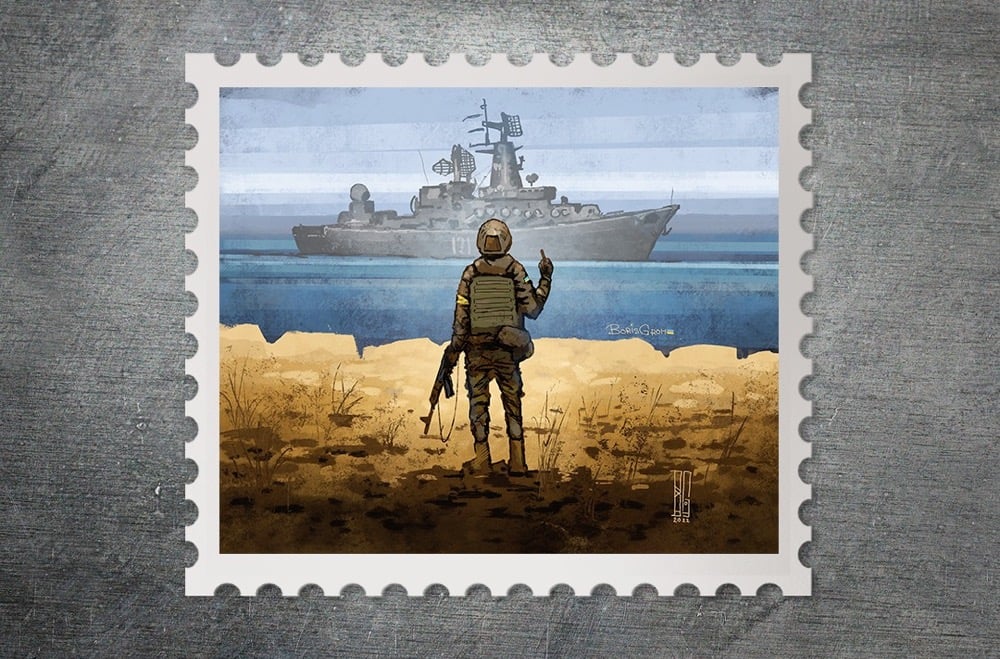
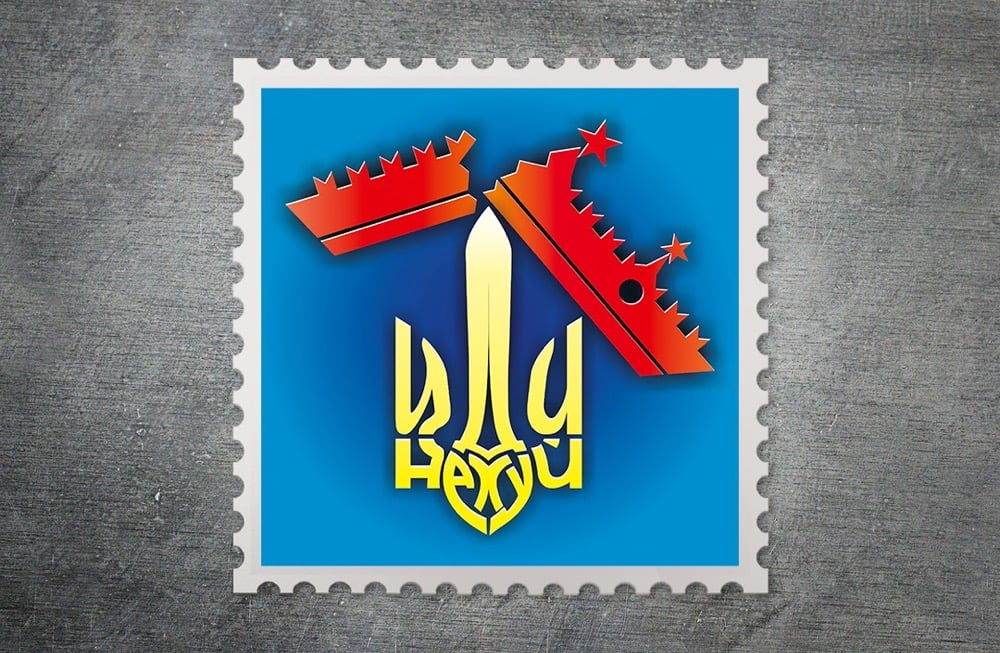
(Paweł Jońca’s illustration would also have made an amazing stamp.) Many of the finalists, including the winning entry (middle stamp above), reference the Ukrainian soldiers on Snake Island who told a Russian warship “Go fuck yourself”. Ukrposhta is now working on getting the winning stamp printed so that people can use it for postage — because, perhaps unbelievably, the post office continues to deliver the mail & packages throughout much of the country. (thx, @jackisnotabird)
The other day I shared a video and article by Oliver Bullough on how the UK enables Russia’s oligarchs to launder their money: Putin’s Oligarchs and the London Laundromat. Writer and researcher Casey Michel, author of American Kleptocracy: How the U.S. Created the World’s Greatest Money Laundering Scheme in History, is here to tell us that the US and EU countries are also guilty here. In a piece for The Atlantic, Michel argues that the present sanctions against Russia would be much more effective if the West were willing to address the use of anonymous shell companies and trusts to launder funds.
The Western response has been far broader than most experts anticipated, and threatens to throw the Russian economy into chaos. Yet there’s a catch. Absent significant domestic reforms in the West — reforms that should have been enacted long ago — sanctions targeted at the oligarchic and official figures close to Russian President Vladmir Putin risk inflicting little more than a flesh wound on Russia’s imperial kleptocracy.
Rampant financial anonymity in places like the U.S. makes it relatively easy for powerful rich people to evade sanctions. A Russian oligarch may have multimillion-dollar mansions in Washington, D.C.; or multiple steel plants across the Rust Belt; or a controlling stake in a hedge fund in Greenwich, Connecticut; or an entire fleet of private jets in California; or an array of lawyers setting up purchases at art houses around the country. And all of that wealth can be hidden-perfectly legally-behind anonymous shell companies and trusts that are enormously difficult to penetrate.
If Western policy makers hope to hold Putin’s cronies truly accountable, sanctions will have to be paired with pro-transparency reforms that can disassemble this web of secrecy. Western governments should start by ending anonymity in shell companies and trusts; demanding basic anti-money-laundering checks for lawyers, art gallerists, and auction-house managers; and closing loopholes that allow anonymity in the real-estate, private-equity, and hedge-fund industries. That is, if the sanctions are to retain their bite, the entire counter-kleptocracy playbook needs to be implemented-immediately.
In this entertaining and informative video, Oliver Bullough, who has written a pair of books on money laundering (Moneyland and the forthcoming Butler to the World) takes us on a tour of London while telling us how “the most efficient scaled-up money laundering system in the world” has helped Russia’s oligarchs hide their billions and keep Putin in power. Bullough also wrote about the UK’s role in laundering oligarch money recently in The Guardian.
Russia is a mafia state, and its elite exists to enrich itself. Democracy is an existential threat to that theft, which is why Putin has crushed it at home and seeks to undermine it abroad. For decades, London has been the most important place not only for Russia’s criminal elite to launder its money, but also for it to stash its wealth. We have been the Kremlin’s bankers, and provided its elite with the financial skills it lacks. Its kleptocracy could not exist without our assistance. The best time to do something about this was 30 years ago — but the second best time is right now.
We journalists have long been writing about this, but it is not simply overheated rhetoric from overexcited hacks. Parliament’s intelligence and security committee wrote two years ago that our investigative agencies are underfunded, our economy is awash with dirty money, and oligarchs have bought influence at the very top of our society.
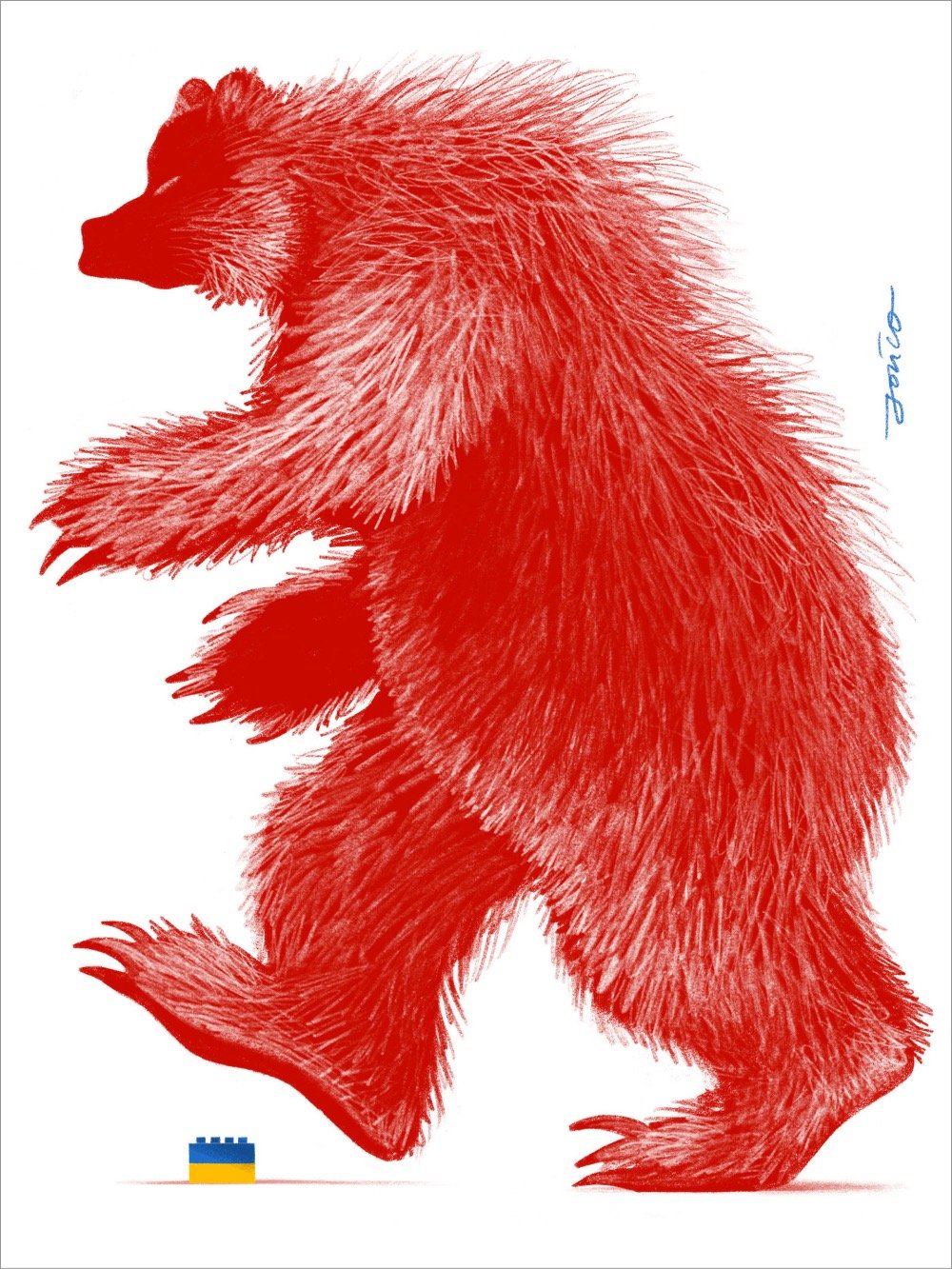
An absolutely fantastic poster by Polish illustrator Paweł Jońca of a giant red Russian bear about to step on a small Ukrainian flag made of Lego bricks. A printable digital download of this poster is available “by paying ANY amount” with all proceeds going to humanitarian aid for Ukraine (specifically to Polska Akcja Humanitarna).
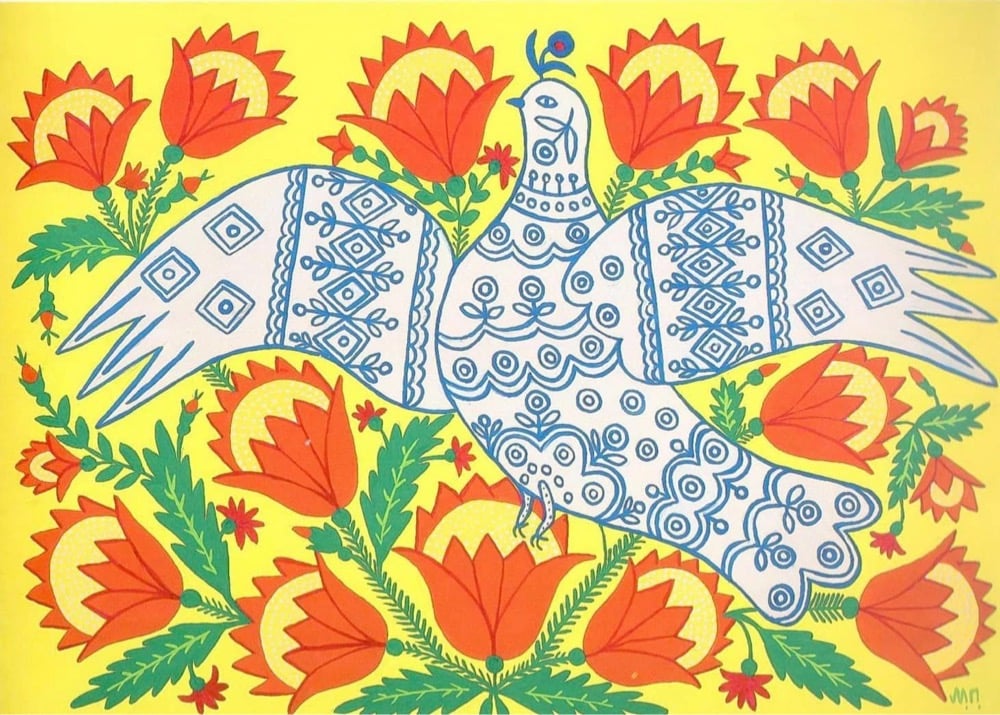
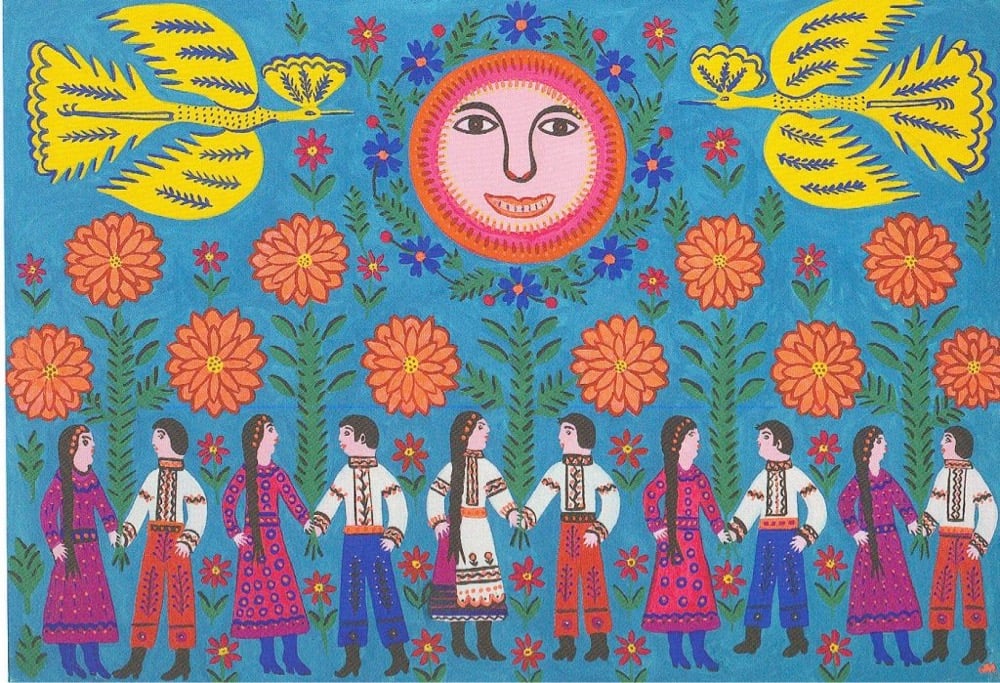
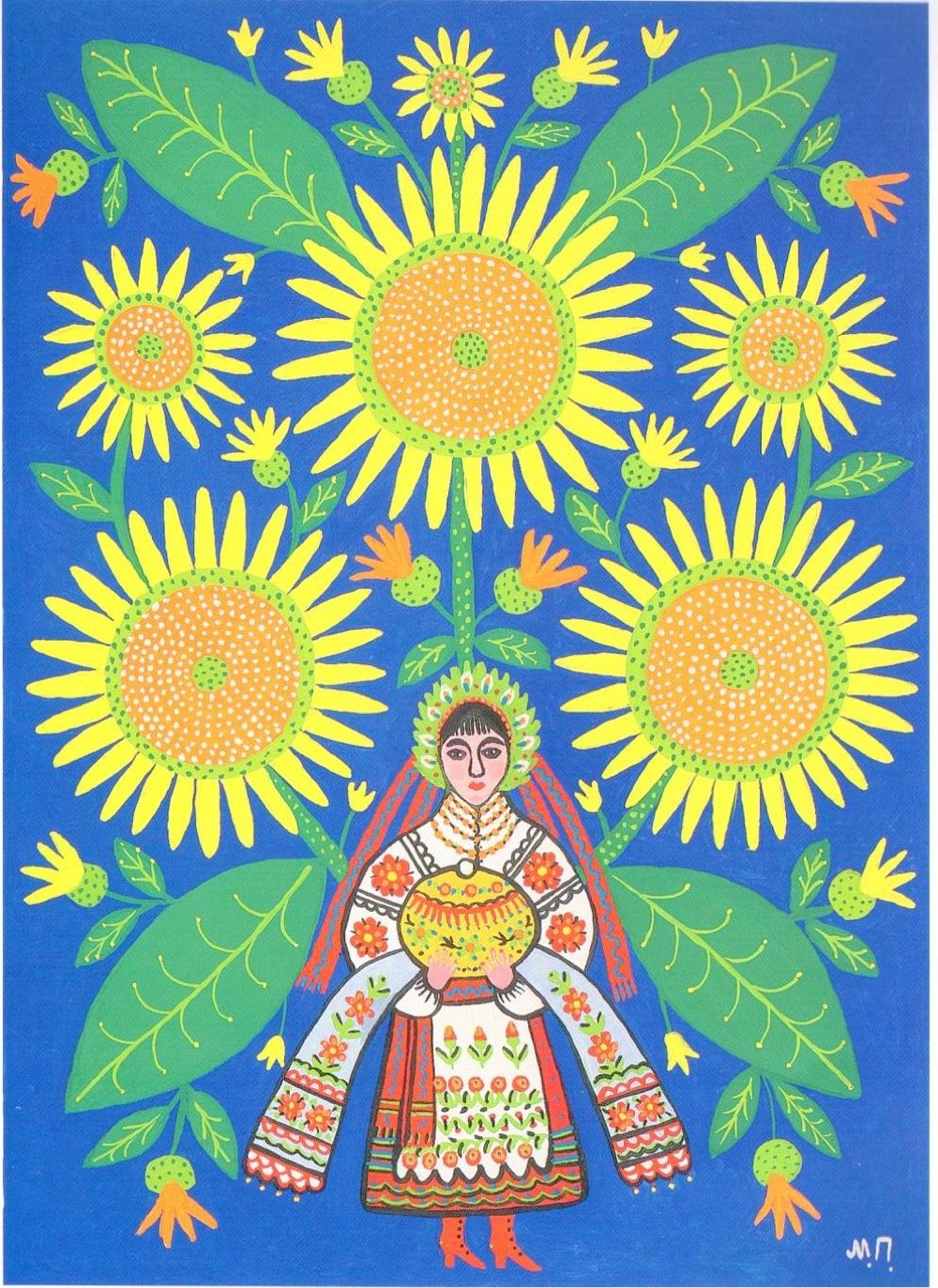
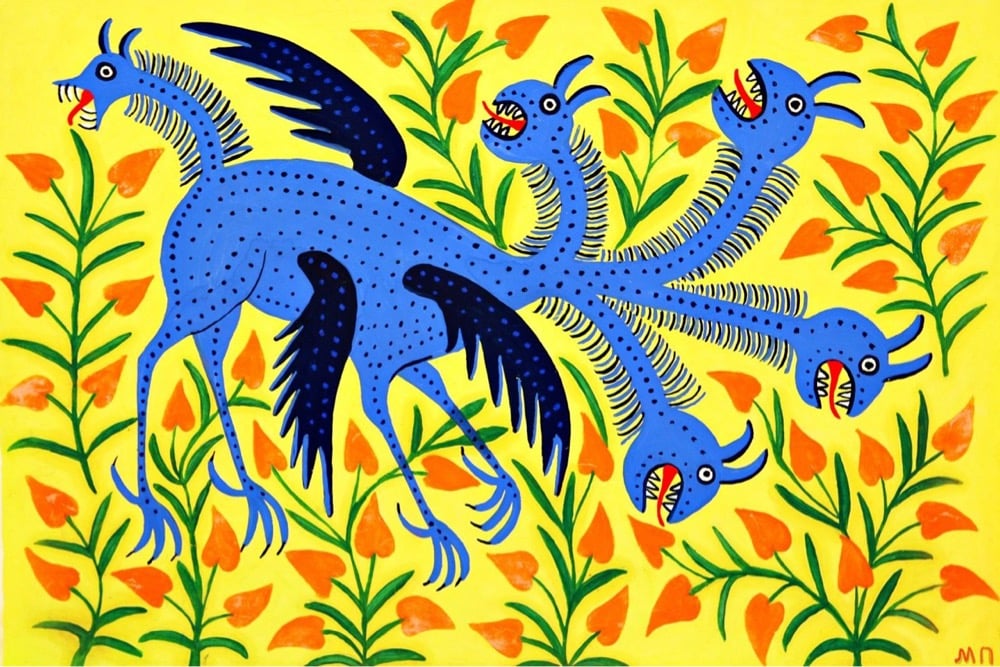
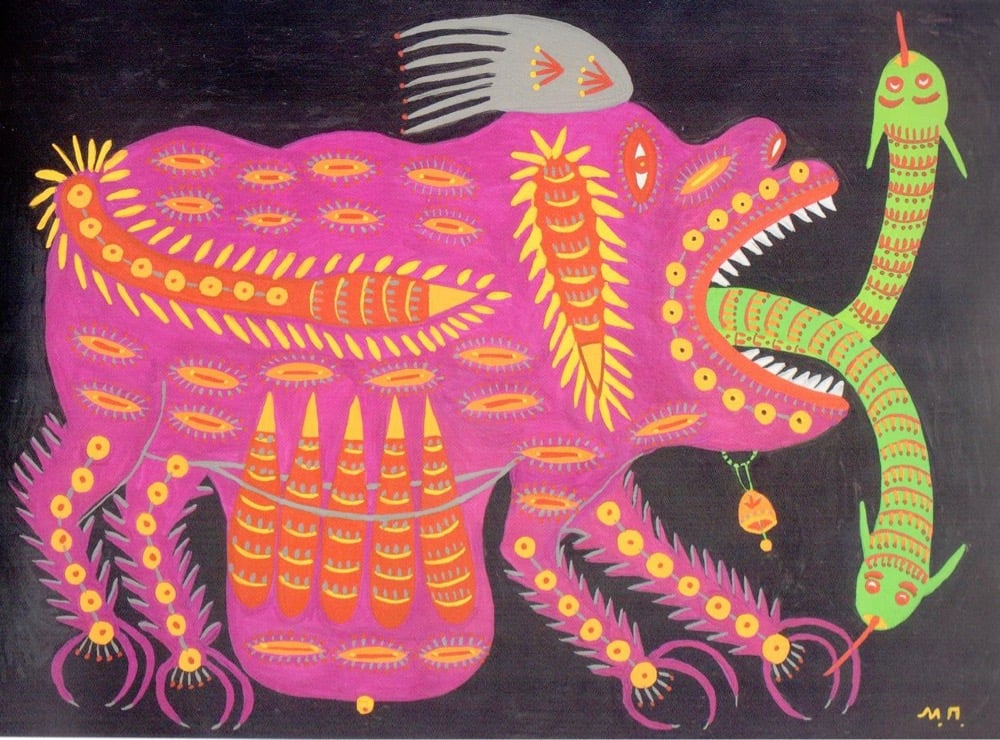
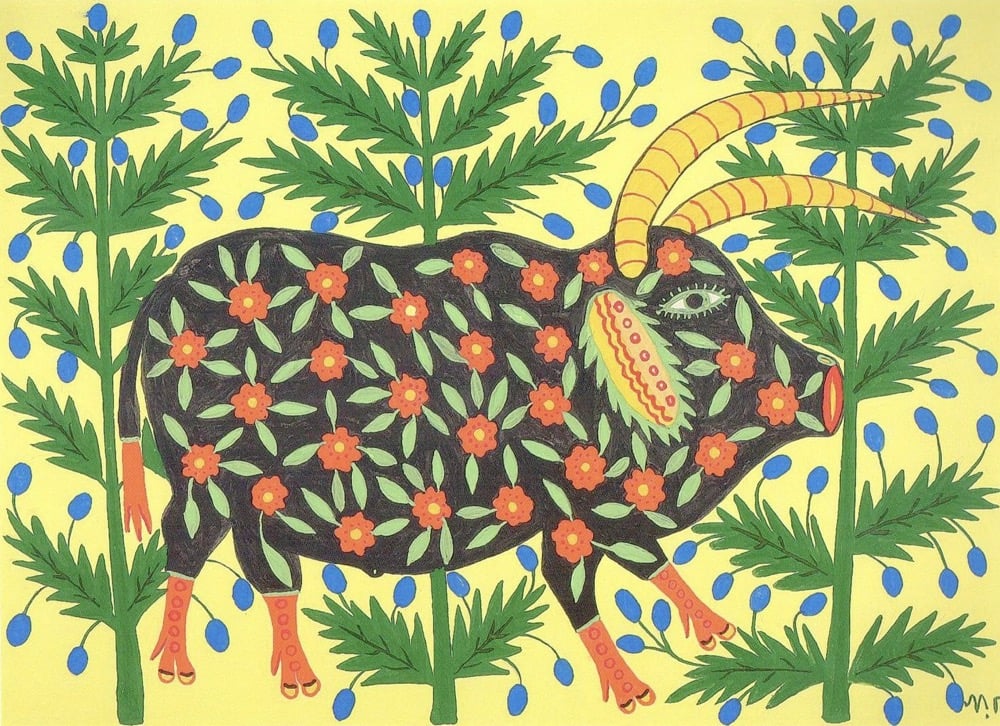
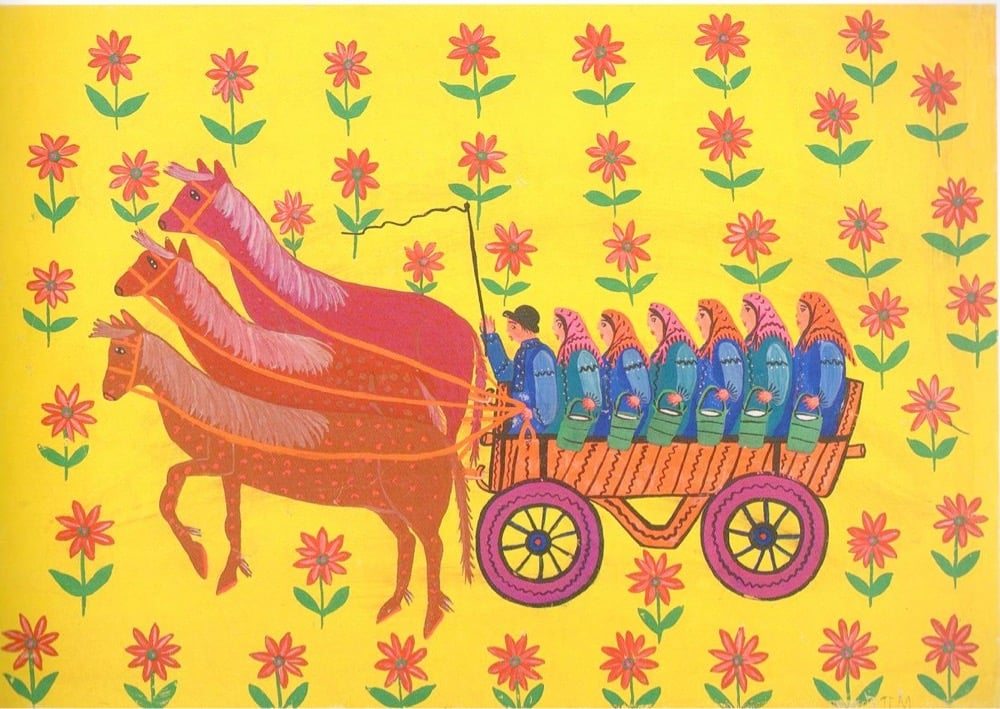
Maria Prymachenko is one of Ukraine’s best-known artists. Known for her colorful, expressive, and “primitive” style, Prymachenko won a gold medal for her work at the 1937 World’s Fair in Paris and Pablo Picasso is said to have remarked “I bow down before the artistic miracle of this brilliant Ukrainian” after seeing her work. Prymachenko’s paintings featured animals (both real & fantastical), everyday Ukrainian people, food & agriculture, and themes of war & peace.
Earlier this week, the Ministry of Foreign Affairs of Ukraine announced that the Ivankiv Historical and Local History Museum had been burned in the Russian invasion and that 25 works by Prymachenko had been lost. Luckily, according to the Ukrainian Institute, local residents were able to save the paintings.
You can find more of Prymachenko’s work below and at WikiArt.
In the weeks leading up to the Russian invasion of Ukraine, the NY Times did a short series of videos about how average Ukrainians were preparing to defend their country. On Jan 28, video journalists spoke to military and residents in Mariupol:
My main takeaway from this video is that the war in Ukraine has been ongoing for some time; the recent invasion is an escalation — a significant one to be sure, but definitely part of whole series of Russian moves. As Fiona Hill replied in a recent interview when asked if we were on the brink of World War III:
We’re already in it. We have been for some time. We keep thinking of World War I, World War II as these huge great big set pieces, but World War II was a consequence of World War I. And we had an interwar period between them. And in a way, we had that again after the Cold War. Many of the things that we’re talking about here have their roots in the carving up of the Austro-Hungarian Empire and the Russian Empire at the end of World War I. At the end of World War II, we had another reconfiguration and some of the issues that we have been dealing with recently go back to that immediate post-war period. We’ve had war in Syria, which is in part the consequence of the collapse of the Ottoman Empire, same with Iraq and Kuwait.
All of the conflicts that we’re seeing have roots in those earlier conflicts. We are already in a hot war over Ukraine, which started in 2014. People shouldn’t delude themselves into thinking that we’re just on the brink of something. We’ve been well and truly in it for quite a long period of time.
From Feb 8, a visit to a civilian training center, where people learned how to handle weaponry and field dress wounds:
From Feb 22, a profile of a small paramilitary group that’s been fighting the Russian-backed separatists in the eastern part of the country for years now, sometimes in collaboration with official forces:
One of the paramilitaries said:
God forbid, if a full-scale war breaks out tomorrow in Ukraine, there will be tens, if not hundreds, of thousands of volunteers just like me. Just like in 2014.
And on Feb 26, a video of civilians in Kyiv waiting to pick up weapons to help defend the city:
One of the people waiting in line, Hlib Bondarenko,1 spoke about why he was there:
We are in a queue where people are waiting to get their weapons to fight the Russian invaders. There is no reason to believe that they’re going to stop anytime soon. And their objective, at least to me, seems to be the occupation of my entire country and the destruction of everything I love. I’m just a regular civilian. I have basically nothing to do with war or any other thing like it. And I wouldn’t really want to participate in anything like this, but I don’t really have any choice because this is my home.
In progress before the Russian invasion of Ukraine and completed as Russian troops began their advance into the country, this video is a helpful overview of some of the geographical, historical, demographic, environmental, political, and economic reasons why, from the perspective of Putin & Moscow, Russia wants to bring Ukraine back into their orbit. (via open culture)
Good morning, everyone. As you have likely heard, Russia invaded Ukraine earlier today. Here’s the news from Reuters, NY Times, Associated Press, and CNN. From Reuters:
Russian forces invaded Ukraine on Thursday in a massed assault by land, sea and air, the biggest attack by one state against another in Europe since World War Two.
Missiles rained down on Ukrainian cities. Ukraine reported columns of troops pouring across its borders from Russia and Belarus, and landing on the coast from the Black and Azov seas.
Although I hope I’m wrong, this is not likely to end well for anyone and my thoughts are with the people of Ukraine, those in nearby countries, and also with Russian citizens & soldiers who will bear the consequences for the actions of their “leadership”.
So I wanted to get that out there but also to acknowledge that I don’t know how much I will be talking about this on the site, even though it’s potentially such a big deal. There have never been any hard and fast rules about what goes on the site or not. I am not a journalist and I generally don’t cover current events and news here — but sometimes I do. The pandemic has been a massive exception in that regard over the past two years — it felt irresponsible not to talk about it here, link to resources, amplify expert advice & opinion, and attempt to counter deliberate and deadly misinformation. There are going to be much better sources of news, information, opinion, and analysis about the situation in Ukraine than kottke.org, so I’m going to largely leave them to it. Also, I have not been feeling super sturdy lately, and I’m not sure diving into WWIII is the best thing for me to be doing right now.
Again, just wanted to acknowledge that in case you were wondering why I’m not covering “the biggest attack by one state against another in Europe since World War Two”. Be safe out there, everyone.
YouTuber Kiun grew up in Yakutia, a region of Siberia that is known for having some of the coldest weather on Earth (we’re talking -40°F on a warm day). In this video, she talks about what daily life is like there, including details about the open-air markets (meat & fish stay naturally frozen) and having a car (owners basically have to keep them running all winter). From a Wired article about Yakutia:
Here arctic chill is simply a fact of life, something to be endured. People develop a variety of tricks to survive. Most people use outhouses, because indoor plumbing tends to freeze. Cars are kept in heated garages or, if left outside, left running all the time. Crops don’t grow in the frozen ground, so people have a largely carnivorous diet — reindeer meat, raw flesh shaved from frozen fish, and ice cubes of horse blood with macaroni are a few local delicacies.
See also Visiting the Coldest City in the World and A Photographic Window into the Remote Siberian Territory of Yakutia.
After Vladimir Putin, dictatorial leader of Russia for over 20 years now, had seemingly insulated himself against losing power through control of the media, law, elections, and the wealthy allies, a lawyer named Alexei Navalny began to expose the corruption in Putin’s regime with a series of posts to his blog and on YouTube. Navalny continued his investigations, gaining public popularity and running for public office. Putin imprisoned him and tried to have him killed. This Vox video explains in more detail why Putin wants Navalny dead.
More reading on Navalny: Vox explainer, Masha Gessen on recent pro-Navalny protests in Russia. (via open culture)
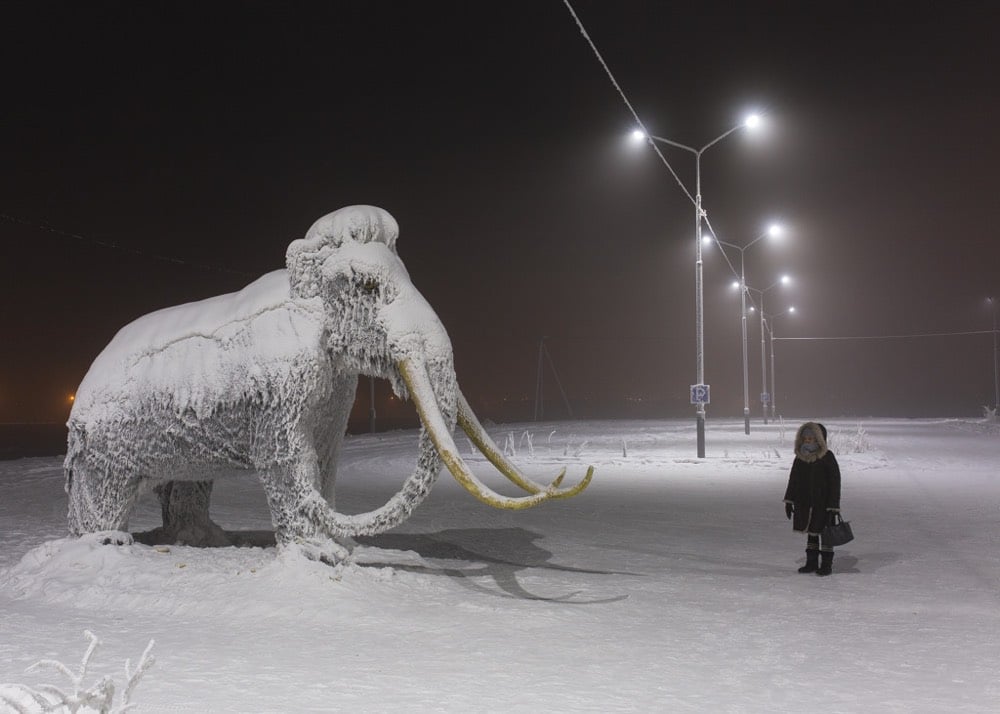
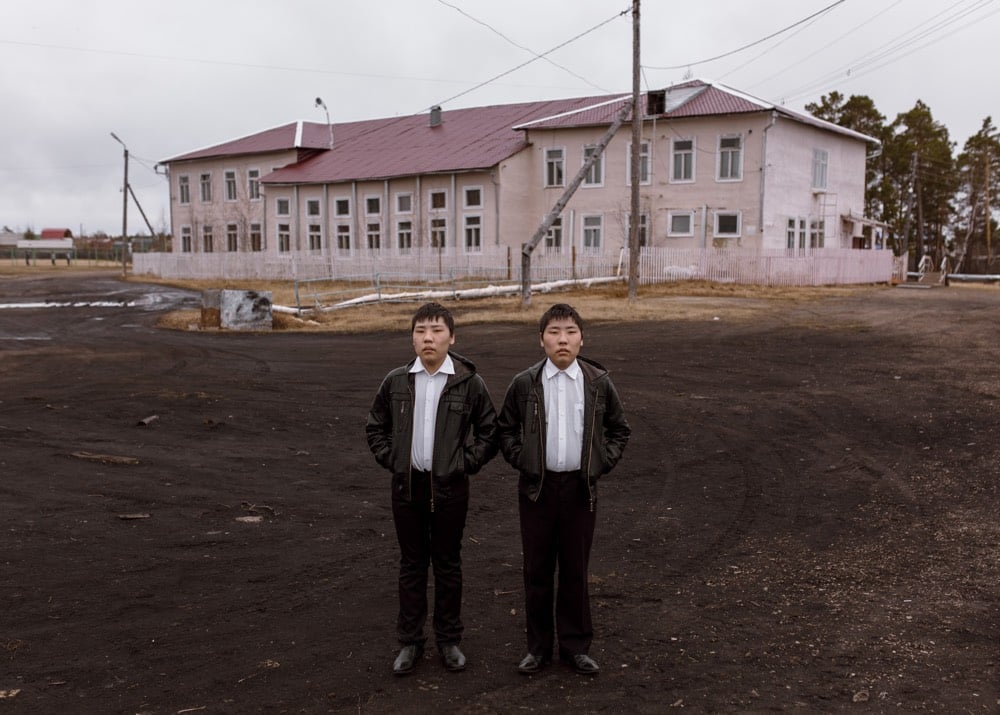
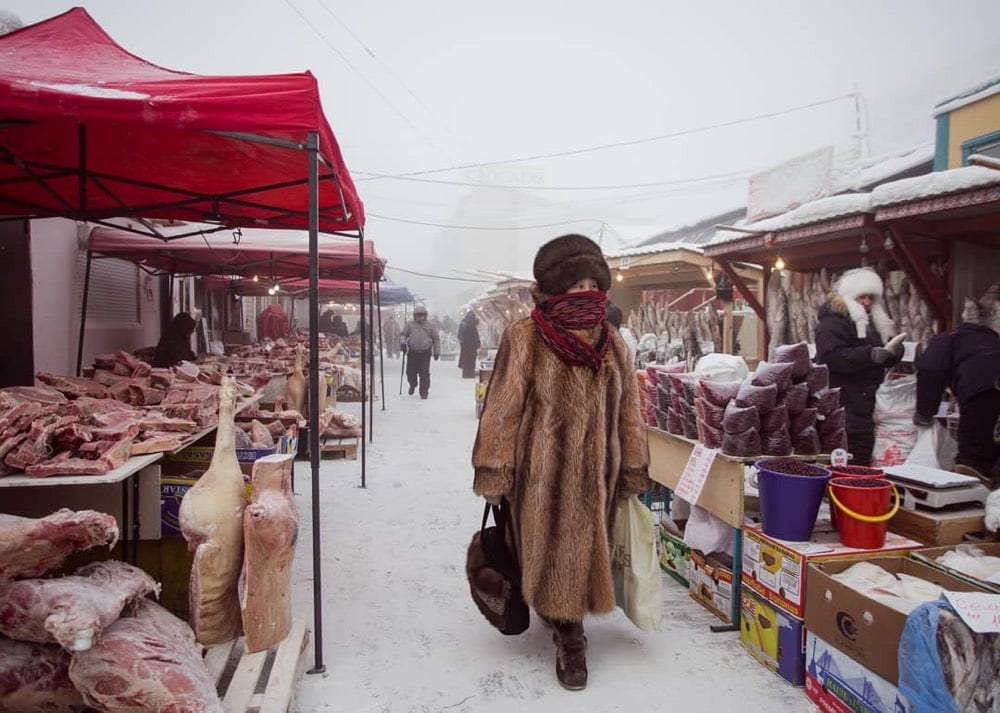
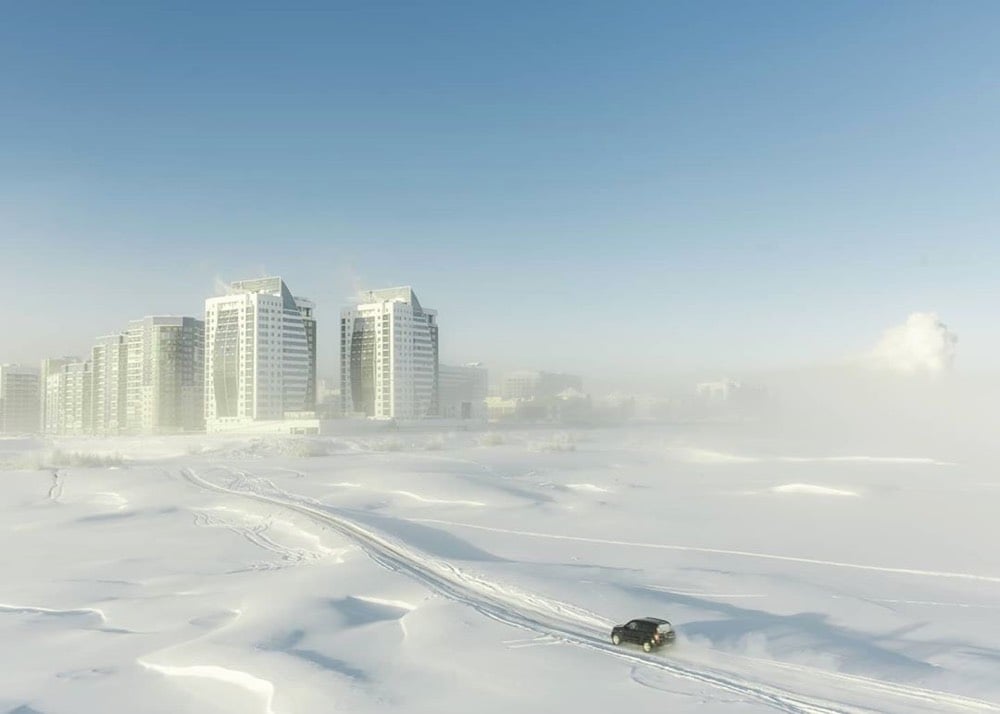
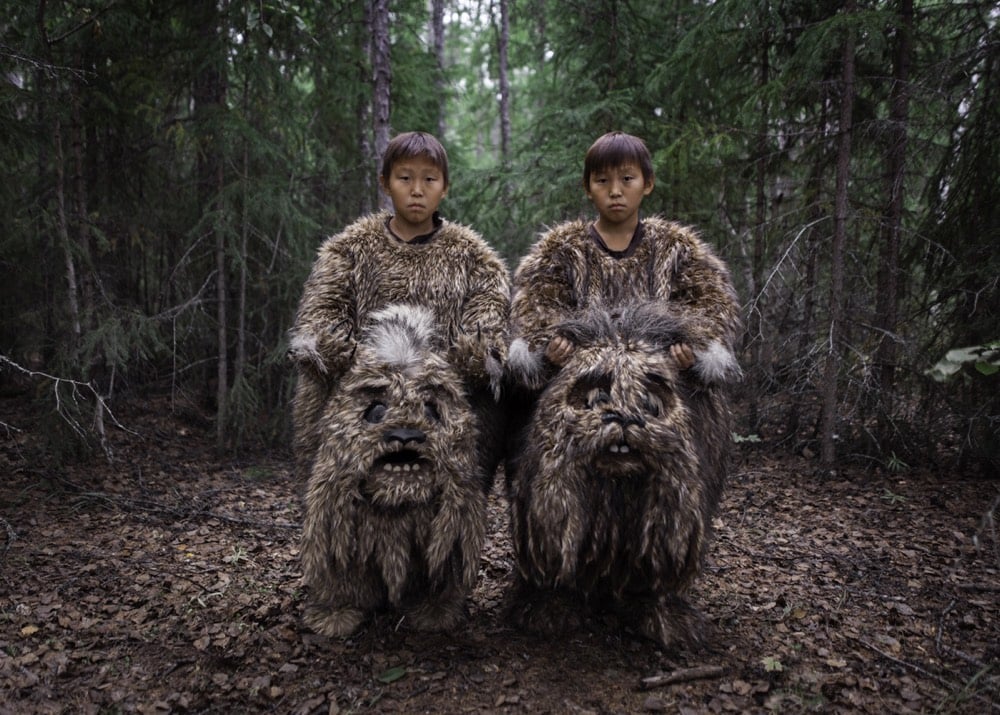
Alexey Vasilyev’s photos of the remote Russian territory of Yakutia (also known as Sakha, ultra-cold in the winter and hot in the summer) and the people who live there are really something.
Yakutia is the largest region of Russia, but it is almost not explored by man. The number of population is only one million on three million square kilometers. There is no other corner on the Earth where people live in such a severe and contrasting climate. In summer the air warms up to 40 degrees Celsius and in winter it drops to 60 degrees below zero. There is the longest duration of winter, temperatures below zero and snow lies here from October to mid-April.
The transport system has made Yakutia one of the most inaccessible areas in the world. There are almost no railways and few roads. Some places can be reached by plane or helicopter only. The remoteness from the world and severe climatic conditions determined a special way of life and culture of local residents.
That culture includes an enthusiasm for filmmaking, which Vasilyev has also captured.
However, Yakutia is famous not only for the severe climate and gold which is mined here, but also for the cinema. Yakut films participate in international festivals in Europe and Asia, receive awards, which are already more than 80. Yakut Hollywood is called “Sakhawood”.
People with different experiences are engaged in filmmaking. Most directors have no special education, for some of them directing is not the main way to earn money. Actors are people who work in the theater, or people who have never acted in a movie before. About 7-10 feature length films are shot here per year, from romantic comedies to fairy tales, based on local legends and beliefs. Sometimes Yakut movies have better box office than world blockbusters.
You can find more of Vasilyev’s work on Instagram.
The Simpsons has never exactly portrayed its characters in a flattering light, but this version of the show’s title sequence reimagined as a Russian art film by Lenivko Kvadratjić is downright depressing. (via bb)
After the fall of the Soviet Union, Deniss Metsavas served for many years with the Estonian Defense Forces and was, at the same time, a Russian spy. In this video for The Atlantic, Metsavas describes how he was recruited by Russian intelligence using kompromat (compromising material).
For years, Metsavas navigated his disparate allegiances. He got married and started a family. But as he grew in prominence in the Estonian Defense Forces, his Russian handlers began to demand highly classified information on Estonia’s involvement with the United States and NATO, specifically with regard to weapons. Metsavas tried to extricate himself, only to find that his handlers would stop at nothing to obtain the intel-including ensnaring a family member in the increasingly dangerous situation.
Watching the video and reading the accompanying article, you get the sense that maybe the Cold War never ended…
The US government created HIV. The CIA killed Kennedy. The KGB deliberately spread disinformation designed to hurt the US and its allies for decades. In this excellent three-part video series from the NY Times, they show how this KBG program worked and how, under Vladimir Putin, it continues to affect world politics.
The first installment is an introduction to how the KGB wielded disinformation as well as a profile of one of their most successful operations: convincing the world that the US government created the AIDS epidemic. It took almost 4 years, but an article planted by the KGB in an Indian newspaper was eventually reported by Dan Rather on the CBS evening news, embraced by anti-AIDS activists, and believed by many foreign governments.
In the words of a KGB agent that defected to the US, the goal of Soviet disinformation was “to change the perception of reality of every American to such an extent that despite the abundance of information, no one is able to come to sensible conclusions in the interests of defending themselves, their families, their community, and their country.” It was a denial of service attack on the truth.
Fast forward through the end of the Cold War and to the rise of former KGB agent Vladimir Putin. Now Russia is creating fake news stories like Pizzagate which now form the basis of US domestic and foreign policy because our President watches Fox News every morning. In the second segment, the Seven Commandments of Fake News are introduced:
The commandments are:
1. Find the cracks in the fabric of society, the social, demographic, economic, and ethnic divisions.
2. Create a big lie, something that would be very damaging if you could get people to believe it.
3. Wrap the lie in a kernel of truth.
4. Conceal your hand, make it seem like the story came from somewhere else.
5. Find yourself a useful idiot.
6. Deny everything, even if the truth is obvious.
7. Play the long game.
In the third video, they look at what can be done to combat Russia and other players in this war of disinformation, and how ineffective the response has been on the part of the US government (including the Obama administration) and social media companies:
There are certainly no shortage of useful idiots for Putin to exploit. Fox News and Trump top the list along with the alt-right media charlatans, but YouTube’s algorithms, Facebook’s business model, and the everyday American citizens like you and me are also to blame. Add into the mix that Trump is also waging his own disinformation campaign against the American public, and there’s a lot to ponder and despair.
See also Putin’s Playbook for Discrediting America and Destabilizing the West.
As part of his The World in Faces project, Alexander Khimushin has been making portraits of the indigenous people of Siberia wearing native dress.
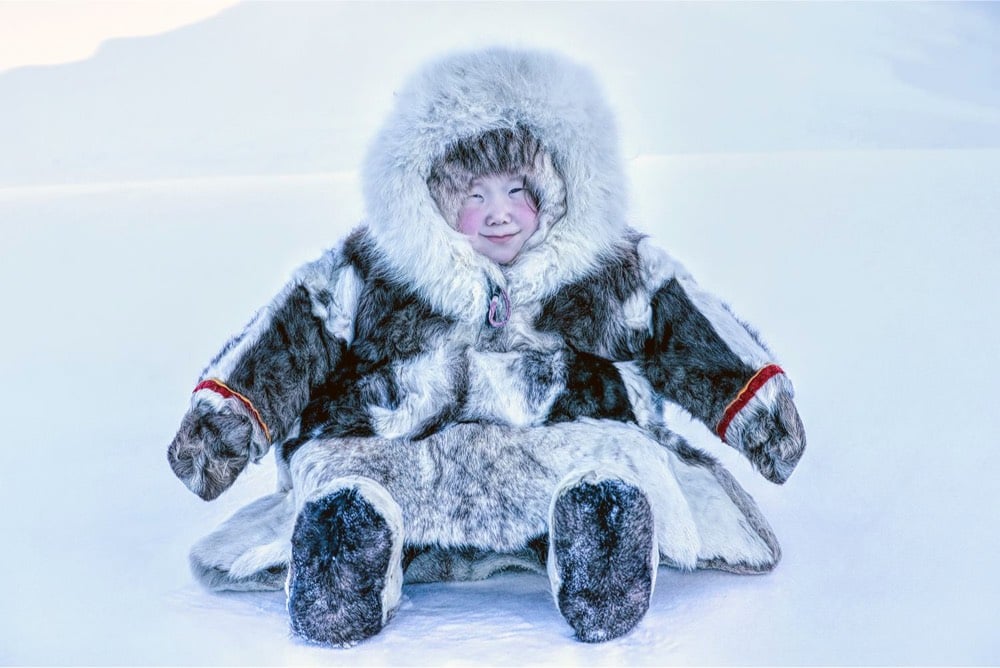
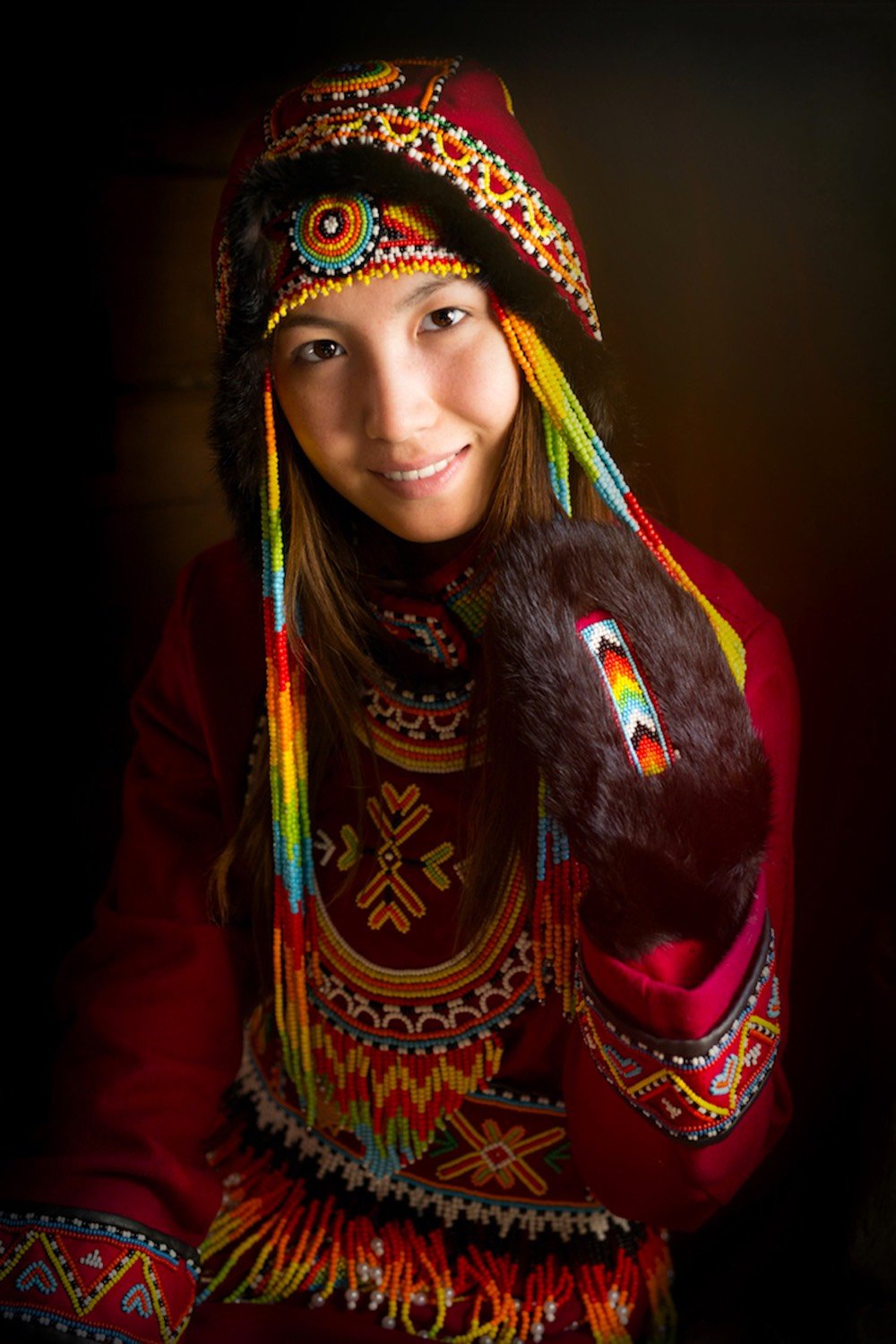
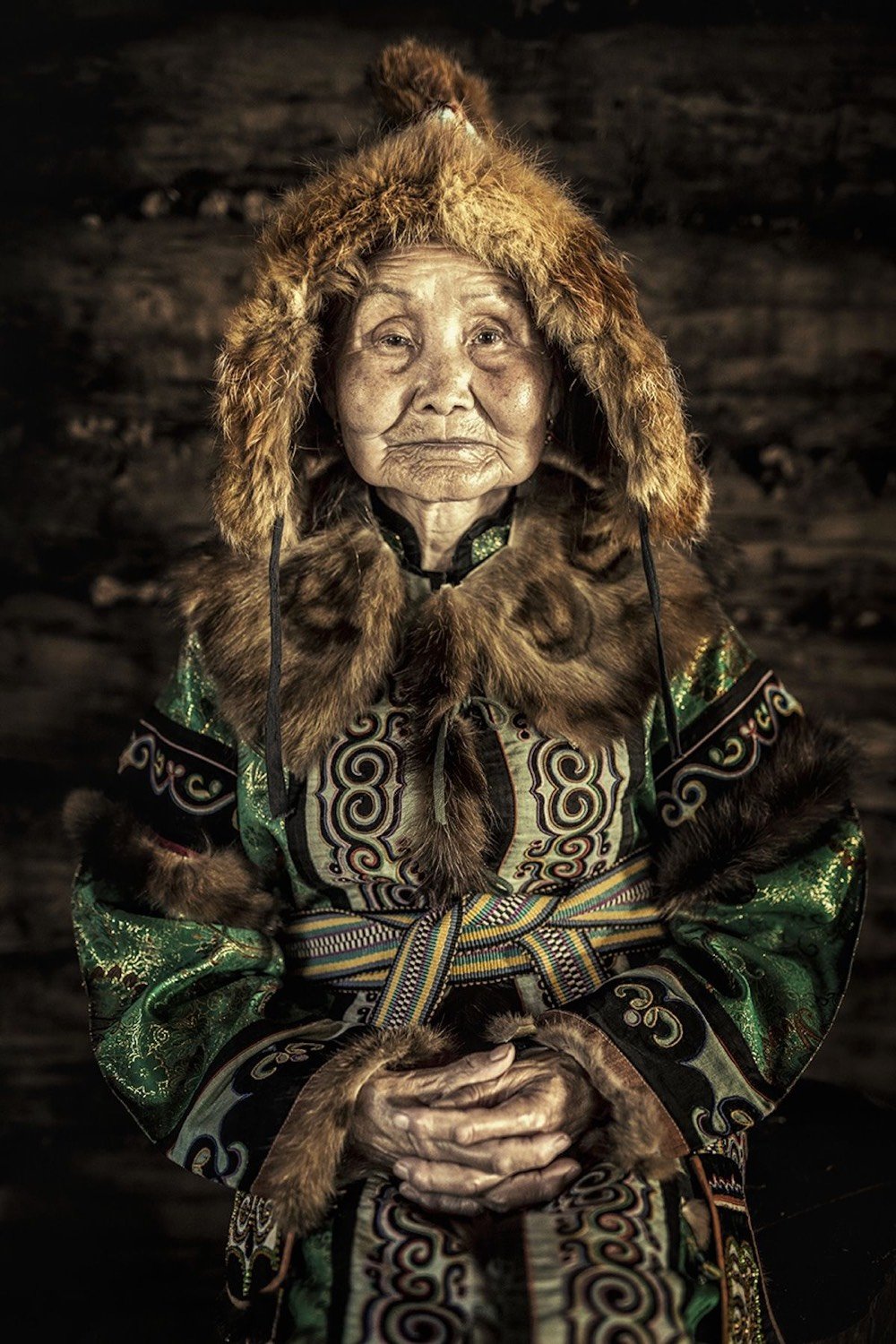
The photo at the top is of three-year-old Gulnara Kayarina wearing her everyday outfit:
She lives in a portable little 2x3 meter house on skis, wrapped in the reindeer skins, at the endless tundra, about 50 km away from the nearest settlement of Tukhard (pronounced Too-Hard) — one the the remotest and coldest places of Krasnoyarsk Krai. Located at the Taymyr Peninsula (Arctic part of Siberia and the Northernmost region of Eurasia) Tukhard is accessible by helicopter only. Gulnara is one of two daughters in the family of reindeer herders Prokopy and Maya Kayarin. Her sister Rimma is a bit older, she is 5. Both girls live nomadic life with their parents and their reindeer in the vast snowy expanse of the tundra, extended as far as the edge on the Arctic Ocean. Nenets People are one of five ethnic group on Indigenous People of Taymyr Peninsula. Most of Nenets People still live traditional lifestyle in this extremely remote and coldest region of the world. Right now the region experiencing a so-called polar night — 45 days long period of total darkness. Winter temperature regularly drops below -40C/-40F. With a combination of strong winds with a speed as high as 35 meters/sec the climate of Taymyr is certainly one of the most extreme ones of the world.
You can follow this project on Facebook and Instagram.
You might remember Yale historian Timothy Snyder from his 20 lessons on fighting authoritarianism (which he turned into a short bestselling book, On Tyranny). Snyder has a new book out called The Road to Unfreedom that covers the rebound of authoritarianism first in Russia and then in Europe and America.
According to this review from The Economist, the book goes into some detail about the ideological beliefs of Vladimir Putin in his quest to undermine Western democracy. A favorite thinker of Putin’s, a Revolution-era philosopher named Ivan Ilyin, advocated for a Russian monarchy while another, Lev Gumilev, believed that nations draw their power from cosmic rays?
Also present in Mr Putin’s thinking is an even more extreme anti-liberal ideology: that of Lev Gumilev, who thought that nations draw their collective drive, or passionarnost (an invented word), from cosmic rays. In this bizarre understanding of the world, the West’s will to exist is almost exhausted, whereas Russia still has the energy and vocation to form a mighty Slavic-Turkic state, spanning Eurasia.
The result, according to Snyder:
What these ways of thinking have in common, Mr Snyder argues, is a quasi-mystical belief in the destiny of nations and rulers, which sets aside the need to observe laws or procedures, or grapple with physical realities. The spiritual imperative transcends everything, rendering politics, and the pursuit of truth in the ordinary sense, superfluous or even dangerous.
You can see where the election of Donald Trump — with his own “quasi-mystical belief in the destiny” of himself and without “the need to observe laws or procedures” — is a welcome ally/patsy for Putin.
See also Putin’s playbook for discrediting America and destabilizing the West: “Just wanna make sure you all know there is a Russian handbook from 1997 on ‘taking over the world’ and Putin is literally crossing shit off.”
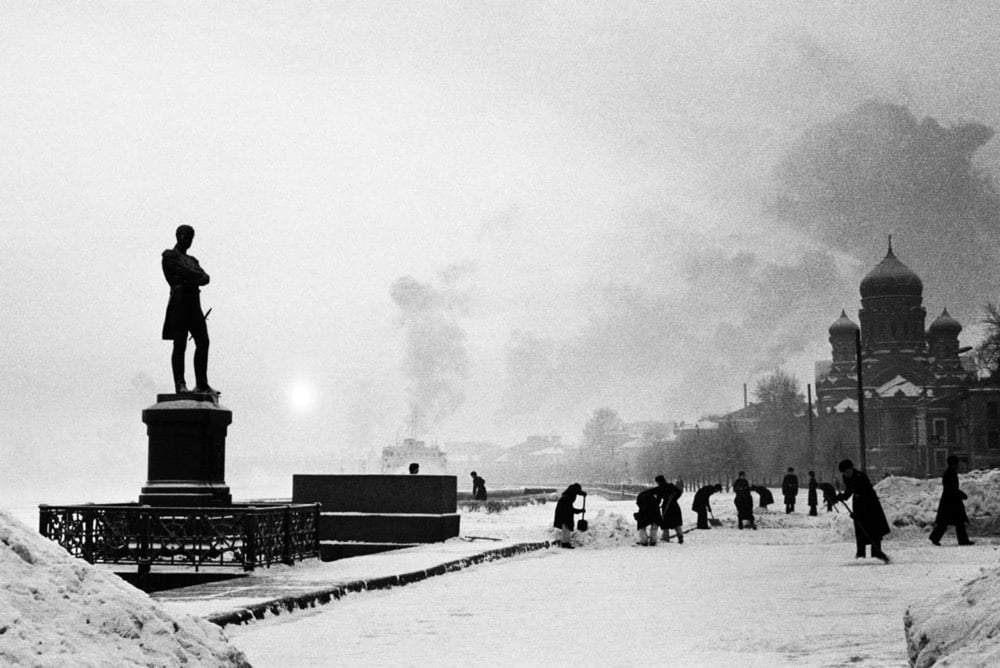
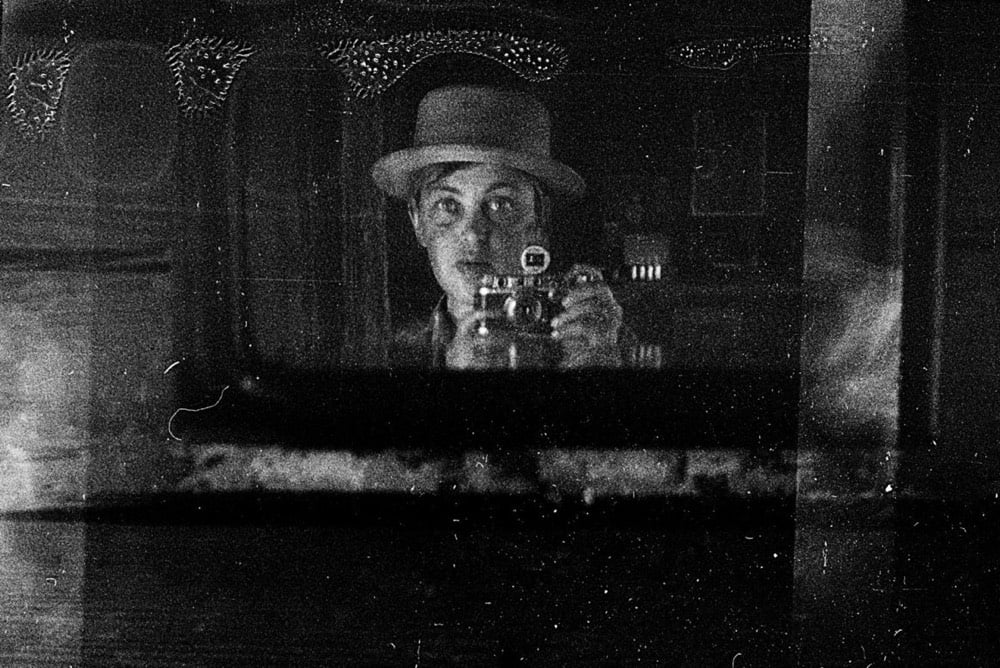
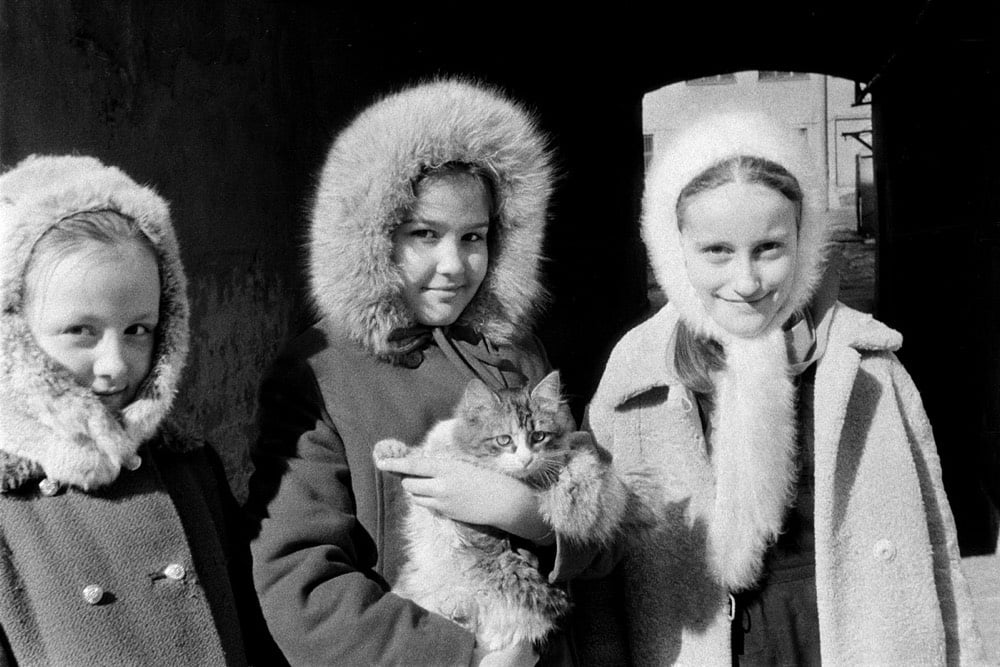
Born in 1942, Masha Ivashintsova was a photographer based in Leningrad who, when she died in 2000, left over 30,000 photographs that she never showed to anyone, not even her family.
My mother, Masha Ivashintsova, was heavily engaged in the Leningrad poetic and photography underground movement of the 1960-80s. She was a lover of three geniuses of the time: Photographer Boris Smelov, Poet Viktor Krivulin and Linguist Melvar Melkumyan, who is also my father. Her love for these three men, who could not be more different, defined her life, consumed her fully, but also tore her apart. She sincerely believed that she paled next to them and consequently never showed her photography works, her diaries and poetry to anyone during her life.
After her death, her daughter and son-in-law found the photos in the attic and have built a website to showcase Ivashintsova’s work; it’s also being shared via Instagram.
The Road Movie, out in theaters in January, consists of nothing but videos taken from Russian dashboard cameras. There are car accidents, animal hijinks, fistfights, high/drunk people, meteors, and fires. The trailer is really entertaining…I’m curious to see the entire film to see how it’s stitched into something resembling a narrative that can sustain a viewer’s attention for more than 20 minutes.
Older posts





Socials & More